

Rodent Services in Pasadena, CA

No CC or payment required before service
No contract required for ongoing service
Pest-free guarantee
Detailed Services
What Our Customers Say
Here’s what our customer have to say about our services.
Our rodent services in Pasadena are built for a region where rats and mice show up regularly, especially across the foothill communities. Citrus trees, dense ivy, palm fronds, utility lines, old plumbing, and the gaps in older home construction give them places to nest and routes into structures, and the corridors from the San Gabriel Mountains bring them into neighborhoods on a steady cycle.
Effective rodent work usually involves three pieces working together: identifying what’s active and where, addressing the current population through trapping, and sealing the entry points so the next group can’t move in. Trapping on its own clears today’s rodents but rarely holds for long if the gaps are still open.
Rodent Services Built Around Pasadena Properties
Different homes have different needs. Foothill properties tend to face year-round pressure from the surrounding rodent population.
Homes built in earlier eras—especially those with vented crawl spaces and balloon framing—tend to have more potential entry points than newer construction with sealed crawl spaces. Add mature landscaping tight to the foundation, and you’ve got built-in shelter and travel routes that simply don’t exist on a clean, open lot.
We offer tailored rodent services so the work can match the property: inspection to identify species, activity, damage and openings, exclusion to seal entry points long-term, and exterior control to maintain control of the local population and reduce rodent pressure on vehicles and homes.
Most situations need two or three of those working together — inspection to set the plan, exclusion to keep the next group out, and an integrated approach for population reduction.

Our Pest
Treatment Process
Thorough Inspection
Pest Treatment
Customized Plan
Guaranteed Protection
On-Time Service
Pest-free guarantee
No Required Contracts
Detailed Service Reports
Pet- and Family-Safe
Rat Control in Pasadena
Rat control uses snap traps placed strategically in those zones, monitored on a specific schedule, and reset or pulled as activity drops.
Indoors, we only use snap traps and never use poison. A rat that dies inside a wall can create a secondary issue with odor and flies for weeks before the body breaks down, and snap traps avoid that entirely. Bait stations have their place outside the structure, but inside the home, monitored snap trapping tends to be the cleanest approach.
Roof rats nest in attics and elevated areas while Norway rats enter at all levels — different species, different habits, different placement strategy. We confirm species during inspection and adjust the plan accordingly.
Mice Control in Pasadena
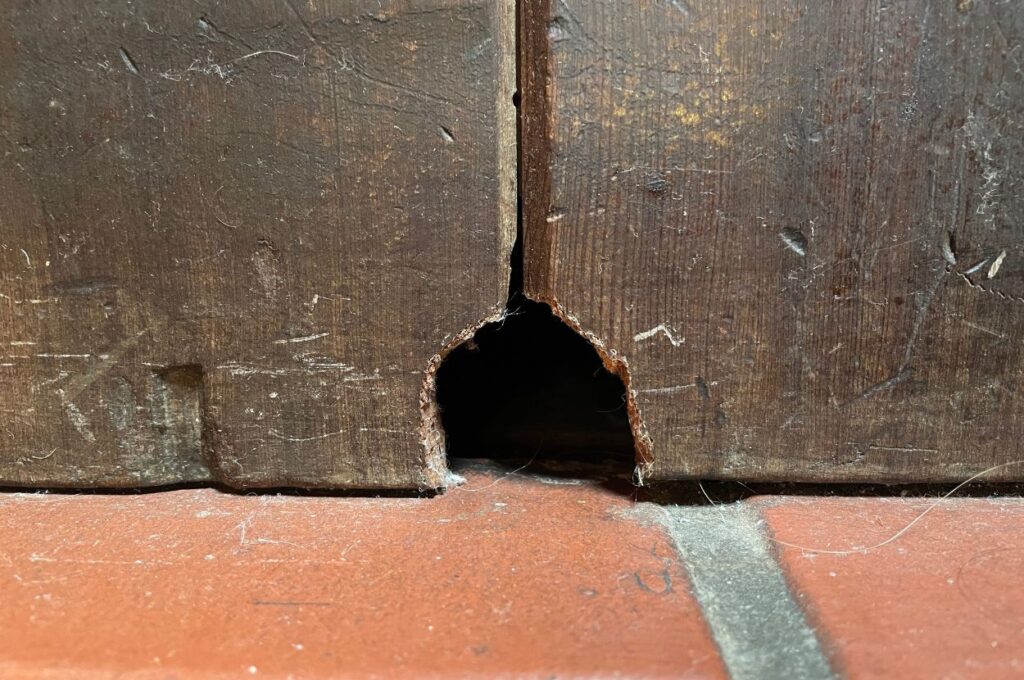
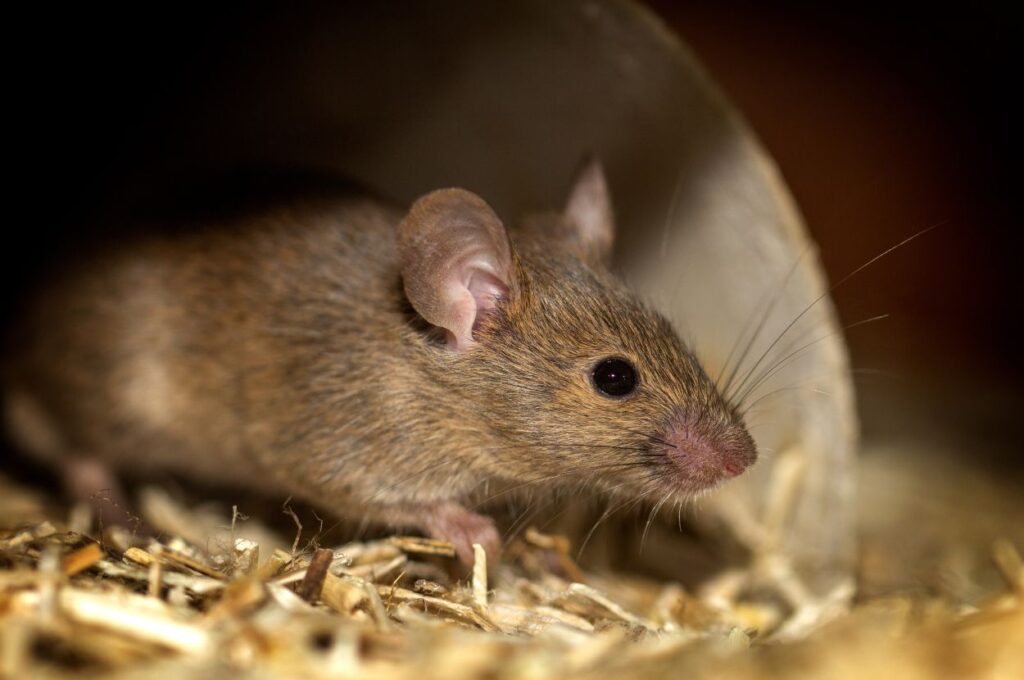
Mice fit through gaps as small as a half inch and breed quickly, so a few sightings in March can become a sustained issue by August without intervention.
Our mice control follows the same pattern as rat work: locate activity zones, place traps along travel paths (mice are curious and tend to investigate new objects, which makes proper placement effective), and seal all openings.
Contamination is the part most homeowners underestimate. Urine trails on counters, droppings in drawers, chewed food packaging, and contaminated insulation are common with sustained mice activity, and addressing them earlier costs less than addressing them later. If you’re seeing signs, sooner is better.
Rodent Exclusion in Pasadena
Rodent exclusion is the structural side of the work — sealing the gaps that let rodents in so the next generation can’t use the same routes. Trapping addresses the rodents currently in the home; exclusion improves trapping results and keeps the situation from repeating.
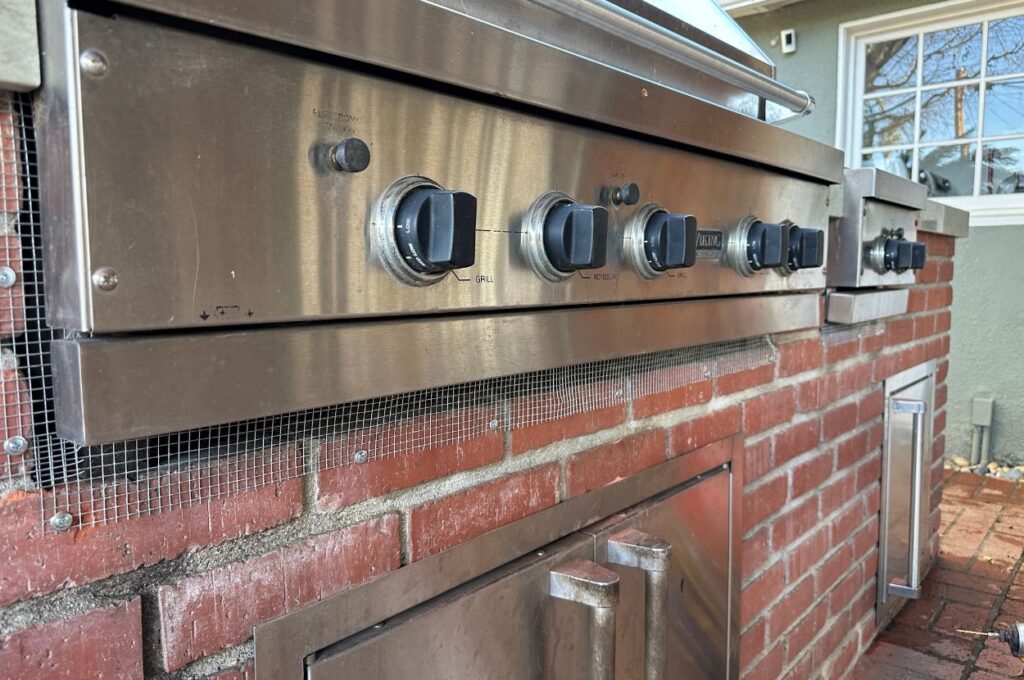
Every gap larger than a quarter inch gets inspected for pests and rodents. That includes plumbing penetrations through the foundation, HVAC entry points, torn vent screens, eave and soffit seams, garage door bottoms that don’t seat tightly, and crawl space vents missing guards.
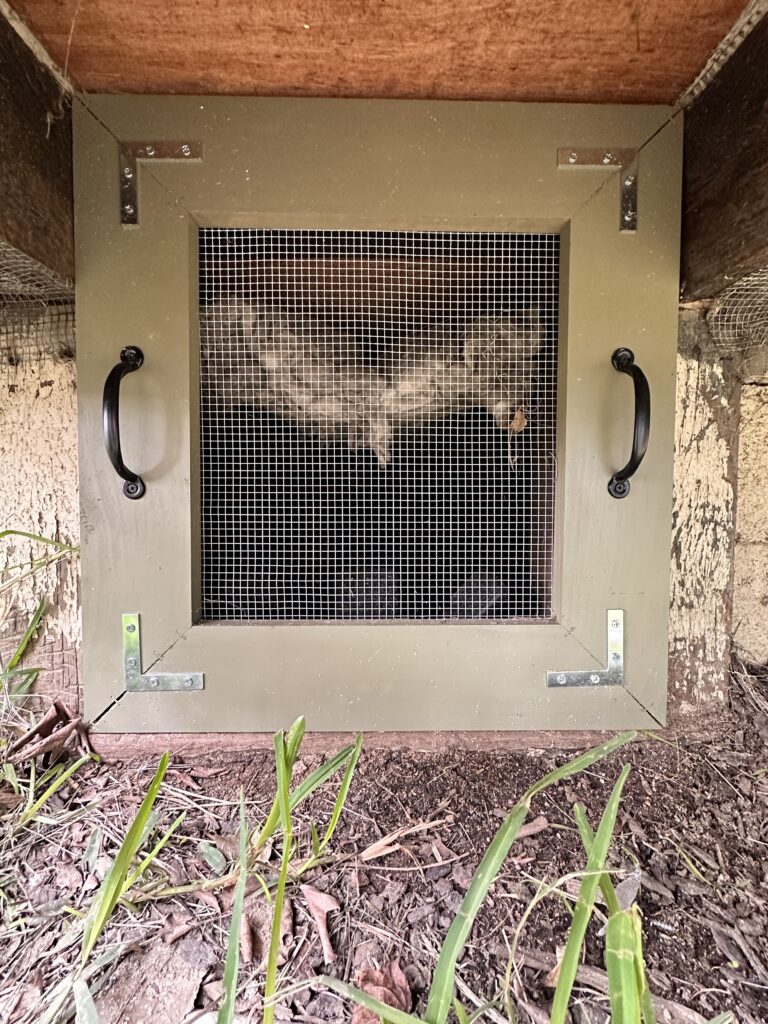
We use only rodent-rated materials, including 1/4’ galvanized steel hardware cloth, sheet metal, flashing, custom-built crawl doors and never copper wool or expanding foam.
Pasadena’s older homes have entry points in places that aren’t obvious without a careful inspection — lath-and-plaster walls that have separated at corners, gaps around original plumbing runs, vented crawl spaces with original wood framing, and soffit seams where the construction has shifted over the years.
We work through the property systematically rather than treating only the visible spots.
Rodent Inspection in Pasadena
A rodent inspection will determine the source of scratching noises at night that you can’t locate, droppings in different parts of the property, and signs of activity that may or may not still be current. The inspection clarifies what’s there, what species, and where they’re getting in.
We walk the property systematically. From the attic, crawl space, garage, exterior perimeter, and every utility entry point, we will document what we find with photos and notes.
Droppings, gnaw marks, nesting material, activity zones, and entry points all go into a written report so you can see exactly what we saw and understand the recommendation.
The inspection fee is credited toward the job with the exception of add-on fees such as subarea crawls. If you book control or exclusion afterward, the inspection cost effectively goes toward the work. You only pay the inspection fee in full if you choose not to move forward.
Rodent Population Control in Pasadena
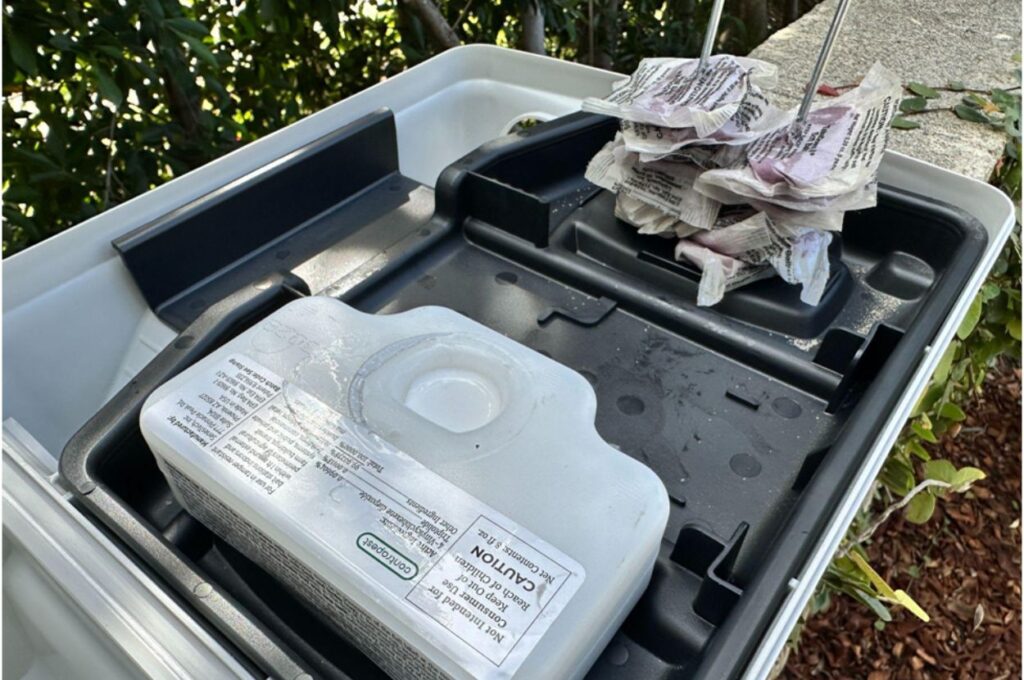
Rodent population control keeps rodents around the property low, so they never get the chance to return inside your property. After targeted trapping clears an active issue, exterior bait stations and regular monitoring stop the foothill pressure from rebuilding.
Tamper-resistant stations sit at entry-prone points around the property — foundation corners, vent openings, fencelines, near woodpiles, and dense landscaping. Each station is locked, anchored, and labeled, with EPA-approved bait sealed inside so kids, pets, and non-target wildlife can’t access it.
Visits track which stations are active and where pressure is shifting. Activity at one station while others stay quiet usually means something has changed — a new gap, brush regrown over a cleared corridor, or a neighbor’s property feeding rodents over the line. Population control is what turns one-and-done trapping into something that holds long-term in foothill Pasadena.
Why Pasadena Homes See More Rodent Pressure
The San Gabriel foothills are home to a year-round rodent population. Open hillsides, native brush, and the washes that run down toward the valley provide habitat, and roof rats use mature trees, fences, and overhead utility lines as routes onto roofs and into attics.
A tree branch within a few feet of the roof, or a fence that runs to a soffit, becomes a path that landscaping alone can’t close off.
Pasadena’s housing stock adds to the picture. Older homes were built with vented crawl spaces, settling framing, and lath-and-plaster construction that develops gaps as it ages.
None of that is unusual or a defect. It’s just how older homes are built. But it does create entry points that need to be addressed thoughtfully rather than missed.
The climate plays a role, too. Mild winters mean rodents don’t experience the population dieback that colder regions see, so pressure stays steady through the year rather than dropping seasonally.
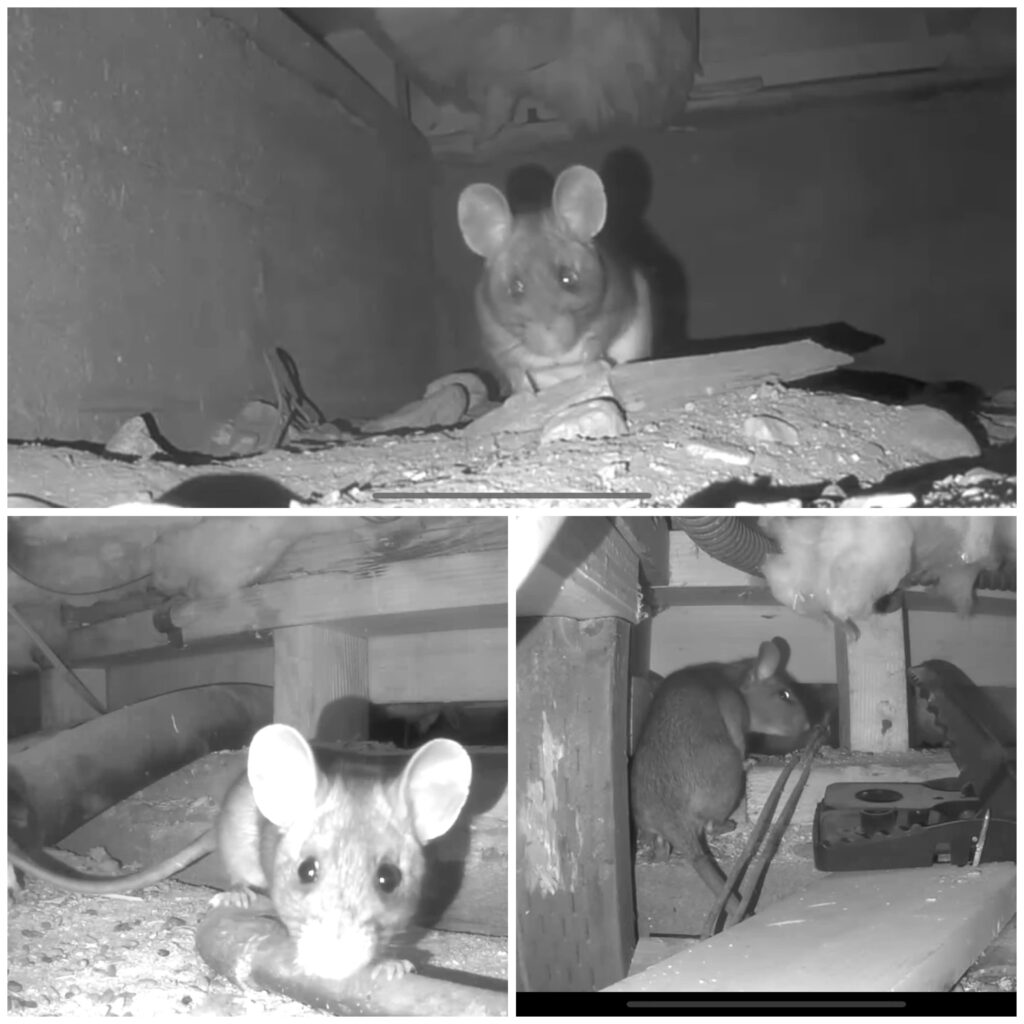
Why Trapping Alone Often Falls Short
Trapping clears the rodents currently in the home, but if entry points stay open, the next group of rodents tends to find the same gap within weeks.
That’s why we pair trapping with exclusion as the standard approach rather than treating them as separate services. Trap-and-seal is what holds long-term in Pasadena’s foothill environment.

Rodent Services Backed by the Pest-Free Guarantee
The Pest-Free Guarantee backs our exclusion work. If rodents get through a sealed entry point within 12 months, we come back and address it at no charge. If you qualify for a guarantee and maintain an exterior control service with us, that guarantee is extended to lifetime.
Schedule Rodent Services in Pasadena
If you’re hearing scratching at night, finding droppings in the garage, or dealing with rodent issues that keep returning, call Pasadena Pest Control at (626) 737-7173 or request a quote. We’ll inspect the property, identify what’s active, and put together a plan that holds.
Frequently Asked Questions
Dropping size is the fastest indicator. Rat droppings are around half an inch, dark, and roughly sausage-shaped. Mouse droppings are closer to a quarter inch and look more like rice grains. We confirm during inspection and build the plan around the species.
Many companies offer trap-only rodent services, which are ineffective. Others only seal along the ground level. Others still use unreliable exclusionary media such as expanding foam and copper wool.
A company could have done a good job sealing active openings, yet didn’t seal other vulnerable areas preventatively, which can lead to problems. Finally, the exclusion could be 100% effective, but the rodents are also entering through concealed open plumbing. Sealing every gap larger than a quarter inch is what keeps the next group from using the same route.
In cases of plumbing, it pays to have the crawlspace checked for such openings, though sometimes a smoke test is needed to identify open pipes in wall voids or other inaccessible areas.
We place snap traps in attics, crawl spaces, and other areas kids and pets can’t reach. If we think of other ideal areas, we will check with you first.
Traps we use in the living space are covered tunnel-style traps for added protection. Any rodenticide or birth control bait we use sits inside locked, tamper-resistant stations that are anchored in place. We walk through every placement before we leave so you know where each trap and station is.
Usually one to two days, depending on house size, foundation type, and the number of gaps. A small bungalow with a few clear entry points can be a one-day job. A larger Craftsman with vented crawl spaces and decades of accumulated gaps can take two, three, or even more. You get a fixed quote after the inspection.
Rodent droppings can carry pathogens, including hantavirus, and shouldn’t be vacuumed or swept without first being effectively disinfected — doing so can aerosolize particles. We offer local cleanup and decontamination, as add-on services using EPA-approved products.
Yes. Roof rats nest in palms, cypress, oaks, and more throughout Pasadena, and they tend to move toward houses when food sources shift. Trimming palms and removing dead fronds reduces shelter and pressure. During inspection, we’ll point out which trees are most worth addressing.