

Mice Control in Pasadena, CA

No CC or payment required before service
No contract required for ongoing service
Pest-free guarantee
Detailed Services
What Our Customers Say
Here’s what our customer have to say about our services.
Mice problems can grow quickly because mice can enter through very small openings, nest in protected areas, and reproduce rapidly once they find food, shelter, and warmth.
In Pasadena homes, mouse activity is often first noticed through droppings in a pantry or cabinet, scratching in a wall or ceiling, gnaw marks on food packaging, or activity in a garage, attic, or crawlspace.
Pasadena Pest Control handles mouse problems by focusing on the full source of the issue: inspection, trapping, exclusion, and prevention. The goal is not just to remove the mice already inside, but to identify how they entered and reduce the chance of repeat activity.
This service is part of our rodent services in Pasadena coverage.

Inspecting for Mice
A good mouse control plan starts with a detailed inspection. We check the areas where mice commonly travel, feed, nest, and hide, including:
- Pantries
- Cabinets
- Under sinks
- Behind appliances
- Garages
- Attics
- Crawlspaces
- Baseboards
- Wall and floor gaps
- Pipe penetrations
- Utility openings
- Door gaps
- Vents and screens
During the inspection, we look for droppings, gnaw marks, nesting material, rub marks, food damage, odors, open gaps, and other signs of movement.
Mice usually travel along edges and protected routes instead of crossing open spaces. That means trap placement matters. We place traps along likely travel paths and adjust placement based on what the inspection and follow-up activity show.
Our Pest
Treatment Process
Thorough Inspection
Pest Treatment
Customized Plan
Guaranteed Protection
On-Time Service
Pest-free guarantee
No Required Contracts
Detailed Service Reports
Pet- and Family-Safe
Trapping Mice in Pasadena Homes
Trapping is used to remove active mice from inside the structure. Depending on the home, traps may be placed in kitchens, cabinets, garages, attics, crawlspaces, storage areas, or other activity zones.
We do not use poison inside the home. Interior rodenticide use can lead to mice dying in walls, ceilings, or other inaccessible voids, which may create odor and sanitation issues.
Trap placement is based on mouse behavior, travel routes, food sources, and activity patterns. Mice often move along walls, baseboards, cabinet edges, appliances, and concealed paths. If activity continues in one area, trap placement may need to be adjusted or increased until that zone quiets down.
The trapping timeline varies based on the size of the infestation, the structure, available food sources, and whether entry points remain open. Some light mouse problems resolve quickly, while heavier or more established activity may require repeated monitoring and adjustment.

Spotting Mice
Common signs of mouse activity include:
- Small dark droppings, often found in pantries, cabinets, drawers, garages, attics, or under sinks
- Gnaw marks on food packaging, cardboard, wood, plastic, or stored items
- Shredded paper, fabric, insulation, or nesting material
- Scratching or movement sounds in walls, ceilings, cabinets, or attic areas
- A musky odor in cabinets, drawers, or enclosed spaces
- Food packages that have been chewed open
- Pet food, bird seed, or stored food being disturbed
A mouse sighting should be taken seriously, but the size of the infestation should be confirmed by inspection rather than assumed from one sighting alone.
Dropping volume is often one of the best indicators of activity level. Fresh droppings in multiple areas usually suggest ongoing movement and should be inspected promptly.
Why Mouse Populations Grow Quickly
Mice reproduce quickly when conditions support them. Food, water, shelter, and hidden nesting areas can allow a small problem to become more established over time.
Open food, pet food, bird seed, cluttered storage, attached garages, crawlspace access, and unsealed openings can all support mouse activity. Once mice establish regular travel routes, they may continue returning to the same areas unless the food source and entry points are corrected.
Fast action helps prevent a small issue from becoming a larger cleanup and exclusion problem.
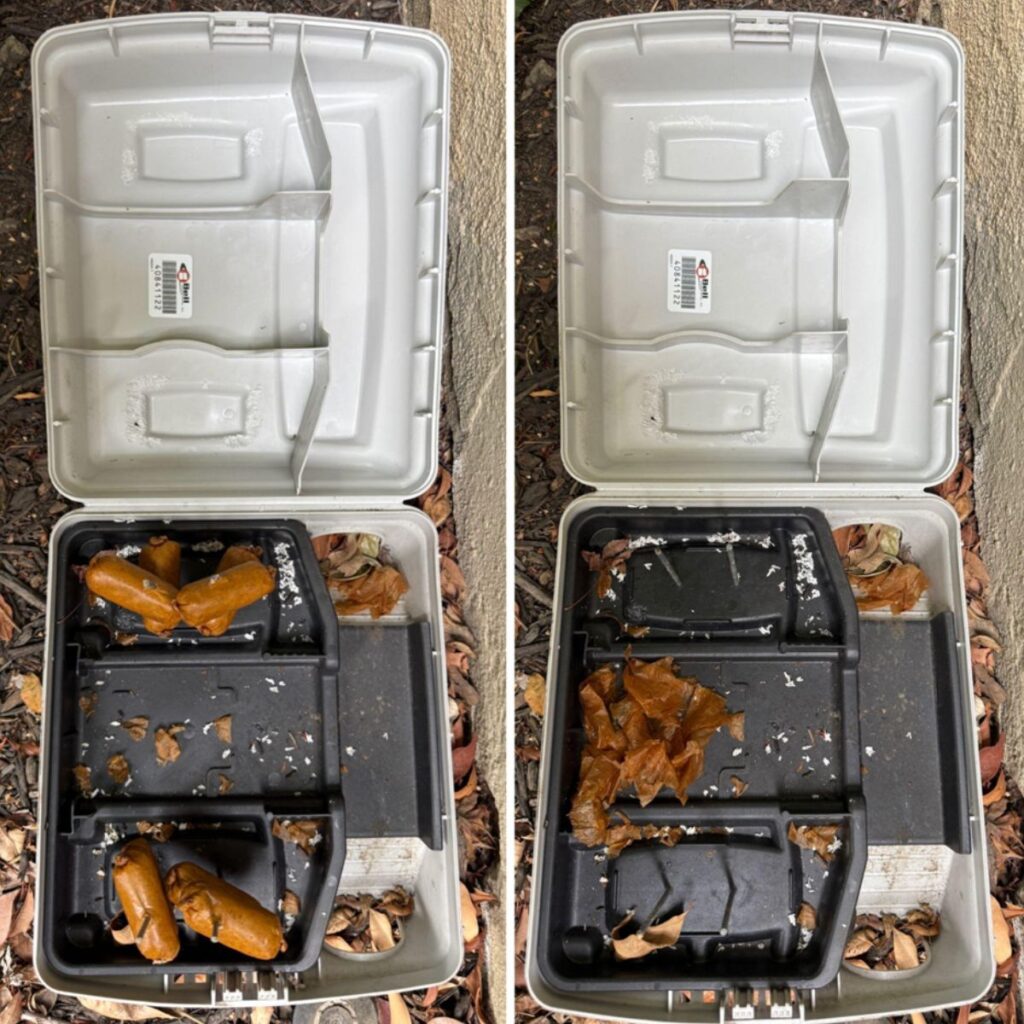
Health and Sanitation Concerns
Mice can contaminate areas with droppings, urine, nesting material, and contact with food or food-preparation surfaces. They may also damage packaging, stored items, insulation, wiring, and other materials.
Mouse activity is especially concerning in kitchens, pantries, cabinets, drawers, and areas where children, pets, elderly residents, or allergy-sensitive individuals may be exposed to contamination.
When mouse activity is found, contaminated food should be discarded and affected areas should be cleaned carefully after the active infestation is addressed.
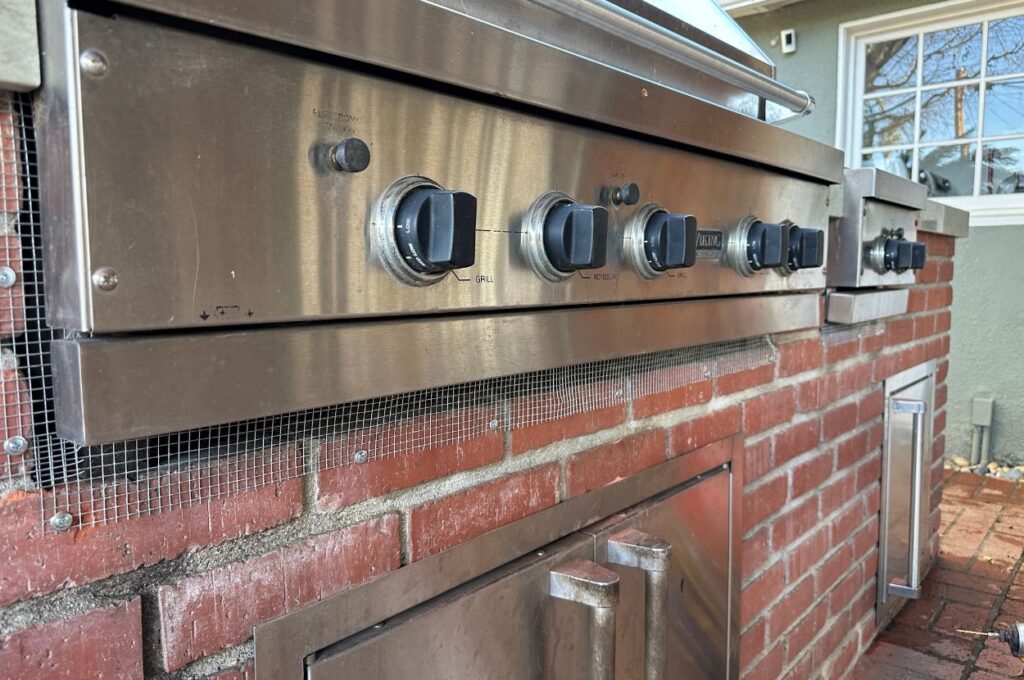
Sealing Mouse Entry Points
Trapping removes the mice already inside. Exclusion helps prevent new mice from entering.
Common mouse entry points include:
- Gaps around pipes
- Utility penetrations
- Torn or missing vent screens
- Crawlspace openings
- Garage door gaps
- Worn door sweeps
- Gaps under exterior doors
- Eave and roofline openings
- Foundation gaps
- Wall and siding transitions
- Openings around old plumbing or electrical lines
Mice can enter through very small openings, so the exclusion work must be thorough. Older Pasadena homes often require extra attention because settling, remodeling, older utility penetrations, vented crawlspaces, aging garage doors, and older framing transitions can leave gaps that are easy to overlook.
Depending on the opening, exclusion may include screening, sealing, reinforcing, replacing damaged screens, addressing door gaps, and securing vulnerable areas with durable materials suited to the location.
We do not use copper mesh, foam, softer metals, or wool for rodent exclusion. In our experience, these materials are not reliable long-term exclusion solutions in many situations.
Why Pasadena Homes Get Mice
Pasadena has several conditions that can support mouse activity:
- Older homes
- Attached garages
- Vented crawlspaces
- Mature landscaping
- Properties near hillsides or open space
- Stored pet food or bird seed
- Fruit trees or outdoor food sources
- Mild winters that allow rodent activity to continue for much of the year
- Small gaps created by aging construction, settling, or past repairs
Clean homes can still get mice if nearby conditions provide shelter, food, and access. The key is identifying the access points and correcting the conditions that allow mice to keep entering.
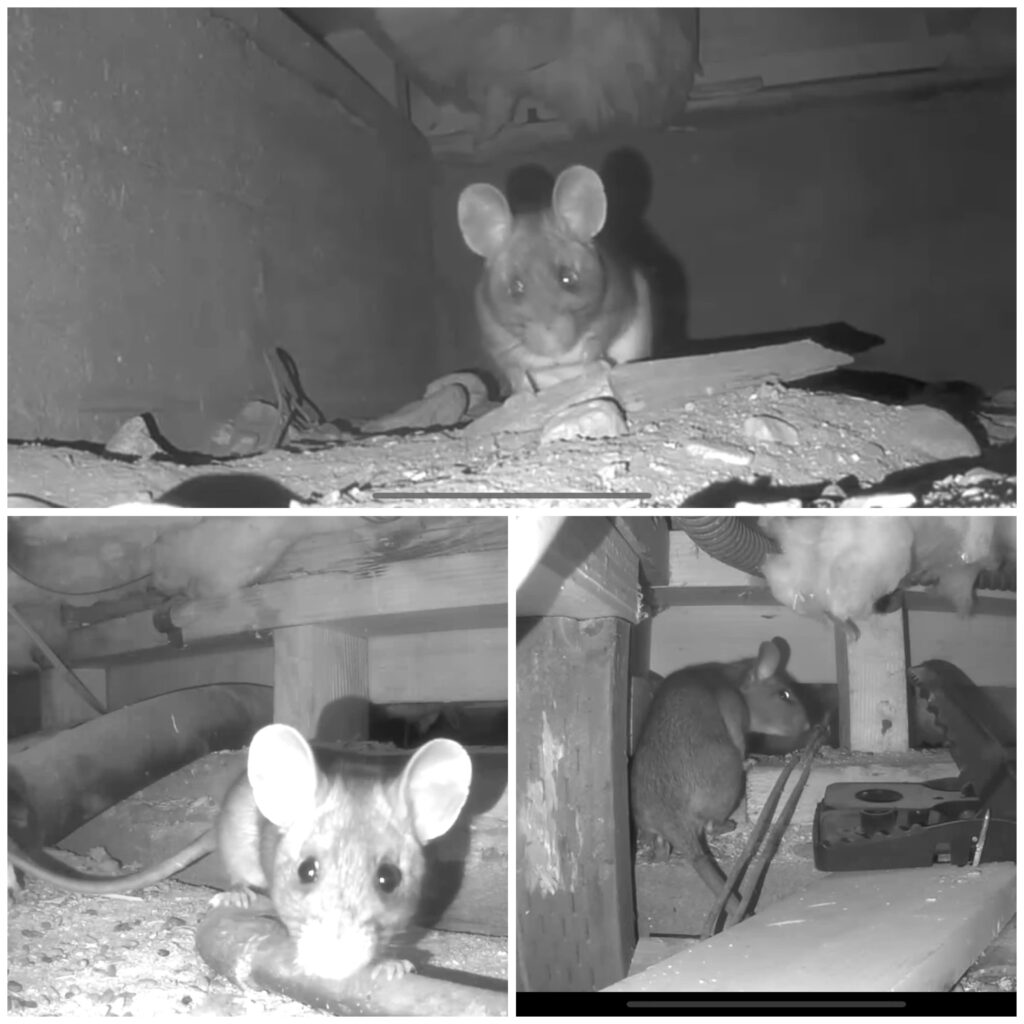
Our Mouse Control Process
Our process is designed to move from inspection to correction:
- We inspect the structure and identify signs of mouse activity.
- We locate likely entry points and contributing conditions.
- We place traps in active or likely travel areas.
- We monitor activity and adjust trap placement as needed.
- We review exclusion needs and explain the sealing plan.
- We seal confirmed and likely entry points using appropriate materials.
- We provide recommendations to reduce food sources, shelter, and exterior pressure.
Mouse control works best when trapping and exclusion are handled together. Trapping alone may remove mice already inside, but open entry points can allow new mice to enter later.

Get Help Today
If you find droppings in the pantry, hear scratching at night, or see a mouse inside your home, Pasadena Pest Control can help.
Call (626) 737-7173 or request a quote online. We’ll inspect the structure, identify likely access points, and build a plan to correct the problem.