
Rodent Exclusion in Pasadena, CA

No CC or payment required before service
No contract required for ongoing service
Pest-free guarantee
Detailed Services
What Our Customers Say
Here’s what our customer have to say about our services.
Rodent exclusion is the structural part of rodent control. Trapping removes the rodents already inside. Exclusion helps prevent new mice or rats from entering through the same openings again.
In Pasadena homes, exclusion often involves roofline gaps, attic vents, crawlspace openings, garage door gaps, utility penetrations, eave gaps, and older construction details that have opened over time. The goal is to identify the access points, correct them with durable materials, and reduce the chance of repeat rodent activity.
This is a key part of our rodent services work in Pasadena because trapping alone does not correct the reason rodents entered in the first place.
What Rodent Exclusion Means
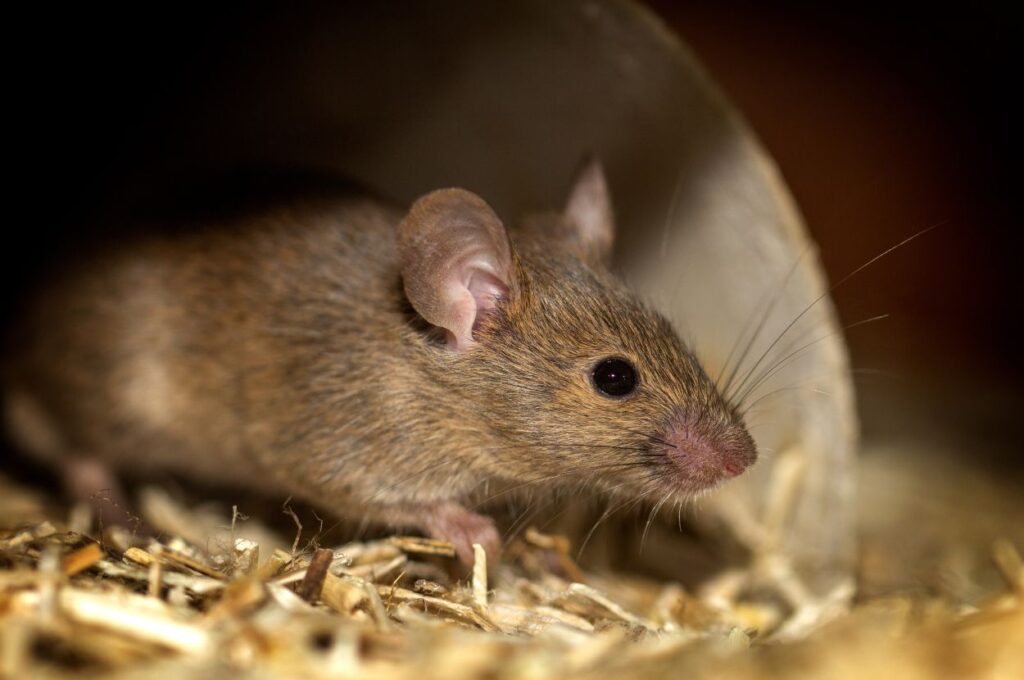
Rodent exclusion means finding and sealing the openings that mice and rats use to enter a structure. These may include:
- Gaps around plumbing, gas, HVAC, or electrical penetrations
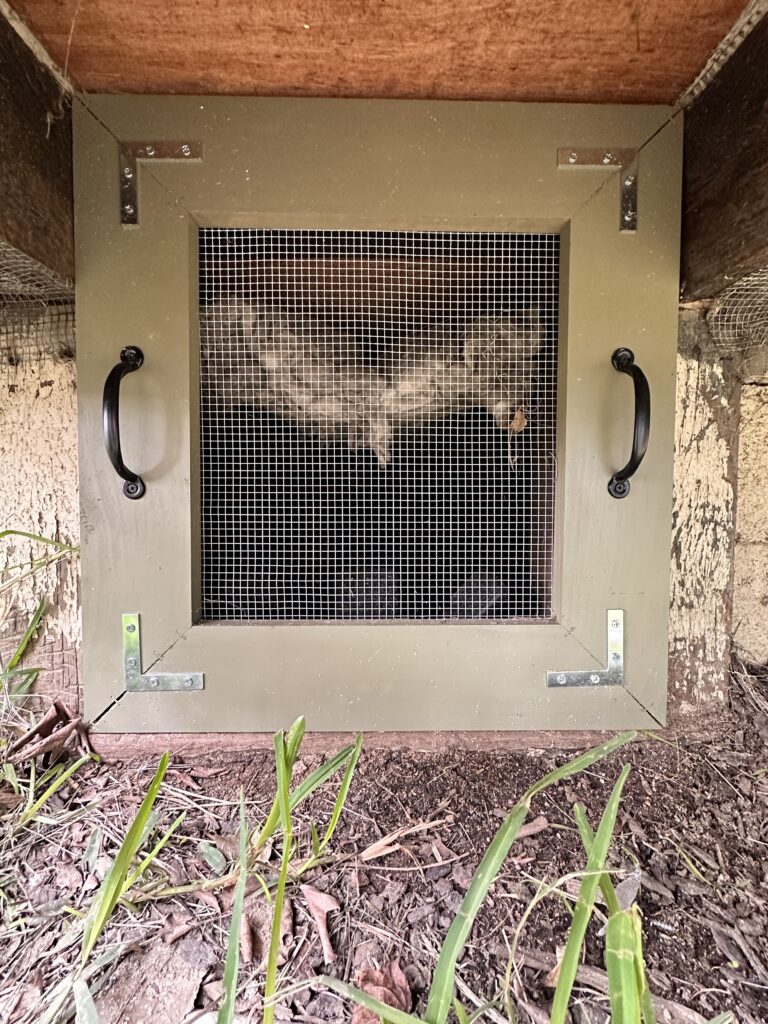
- Torn, loose, rusted, or missing vent screens
- Crawlspace openings
- Eave and roofline gaps
- Gable vent openings
- Garage door gaps
- Worn or missing door sweeps
- Openings around dryer or stove vents
- Damaged weatherstripping
- Foundation gaps
- Siding transitions
- Roof-to-wall intersections
- Gaps created by settling, remodeling, or aging construction
The work is physical and structural. It is not based on chemical control. A proper exclusion plan focuses on closing the building envelope so rodents have fewer ways to enter.
Our Pest
Treatment Process
Thorough Inspection
Pest Treatment
Customized Plan
Guaranteed Protection
On-Time Service
Pest-free guarantee
No Required Contracts
Detailed Service Reports
Pet- and Family-Safe
Why Exclusion Matters More Than Trapping Alone
Trapping is a necessary part of exclusion and can remove the rodents currently inside the structure, but it does not close the entry points that allowed them in. If those openings remain, rats are less likely to touch the traps and new rodents can enter later.
That is why exclusion is often the most important part of long-term rodent control. A complete approach usually includes:
- Inspecting the structure
- Identifying active and likely entry points
- Trapping or removing active rodents when needed
- Sealing confirmed and vulnerable openings
- Reducing exterior conditions that create rodent pressure
- Monitoring for signs of repeat activity
When trapping and exclusion are handled together, the service addresses both the current activity and the conditions that allowed it to happen.
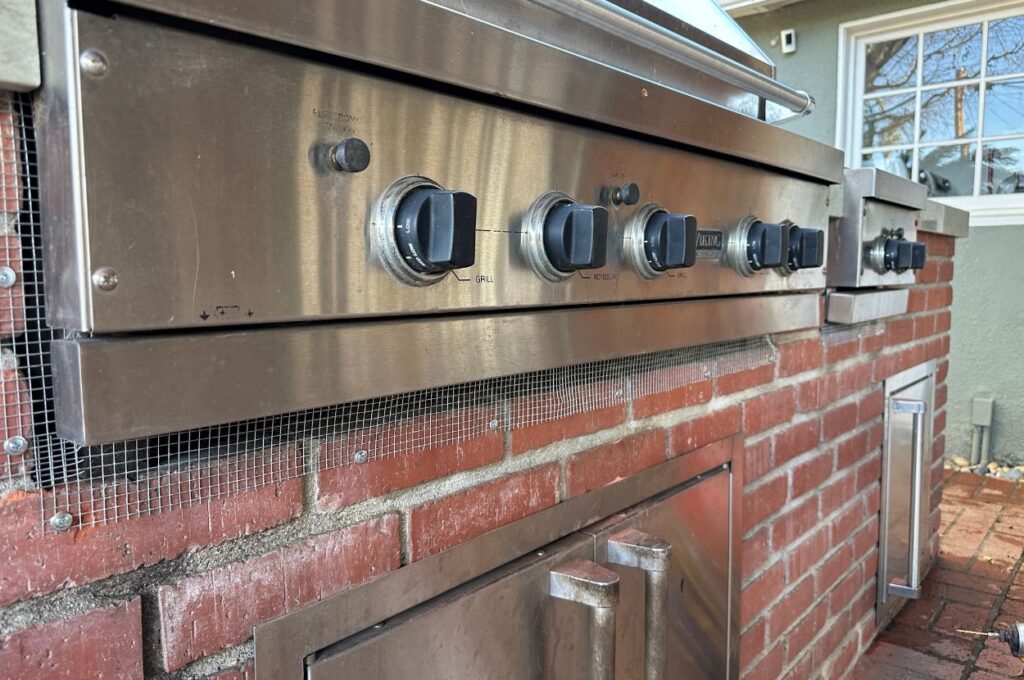
What We Seal in a Typical Pasadena Home
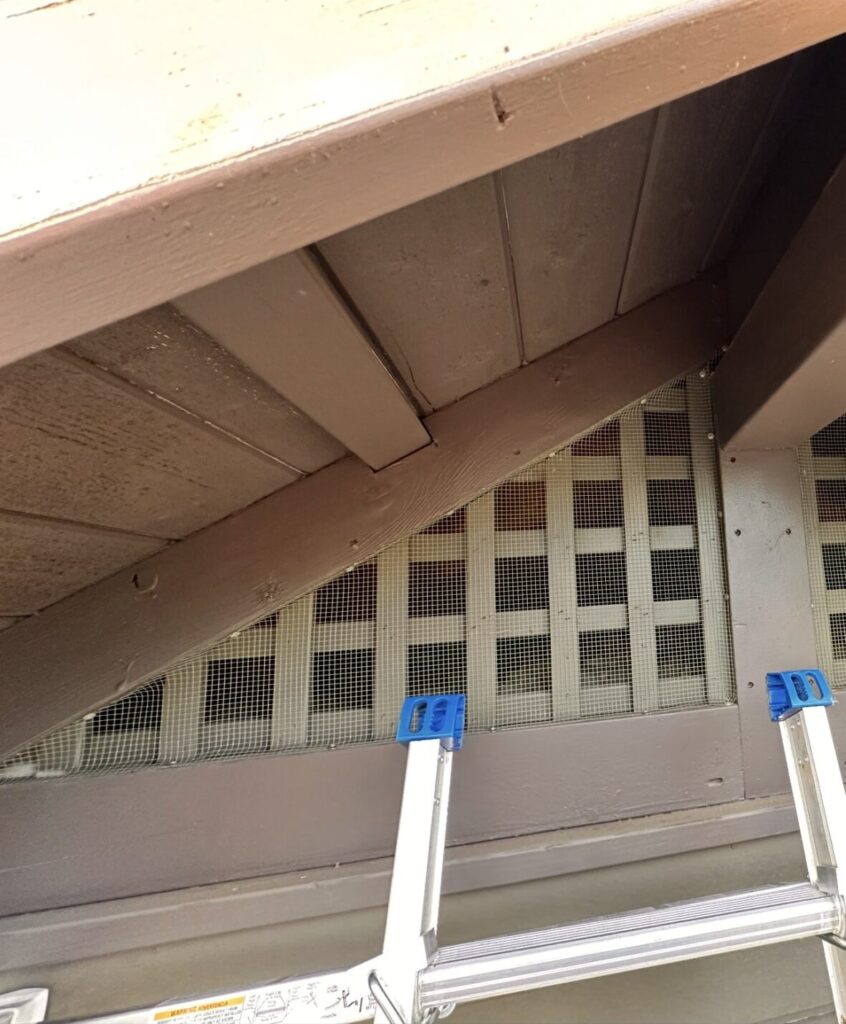
Every exclusion job starts with a detailed inspection. Pasadena homes often have multiple potential entry points because of older construction, roofline complexity, vented crawlspaces, mature landscaping, attached garages, and past repairs or remodeling.
Common areas we inspect include:
- Attic vents
- Crawlspace vents
- Roof returns
- Eaves and soffits
- Gable vents
- Fascia gaps
- Pipe penetrations
- Utility lines
- Dryer and stove vents
- Garage door edges
- Door sweeps
- Weatherstripping
- Foundation gaps
- Wall and siding transitions
- Openings around older plumbing or electrical work
The inspection helps determine which openings show active use, which openings are vulnerable, and which repairs should be prioritized.
Materials Used for Rodent Exclusion
Rats and mice can chew through weak materials, so exclusion materials must be selected carefully for the opening being sealed.
Depending on the location and condition, exclusion may involve:
- Galvanized hardware cloth
- Heavy-gauge screening
- Sheet metal
- Metal flashing
- Rodent-resistant vent screening
- Proper fasteners
- Door sweeps
- Weatherstripping
- Durable sealants when appropriate as part of a reinforced repair
We do not use copper mesh, foam, softer metals, or wool for rodent exclusion. In our experience, these materials are not reliable long-term exclusion solutions in many situations.
The right material depends on the gap, the surface, the exposure, and the type of rodent pressure. Small gaps, roofline openings, vent failures, and garage door gaps may each require different repair methods.
How Mice and Rats Get In
Mice and rats use different travel patterns, but both can exploit small openings.
Roof rats are strong climbers and are often associated with trees, vines, fences, utility lines, roof edges, gable vents, roof returns, and attic access points. In Pasadena, they are commonly involved in attic activity, especially where mature landscaping reaches or nearly reaches the structure.
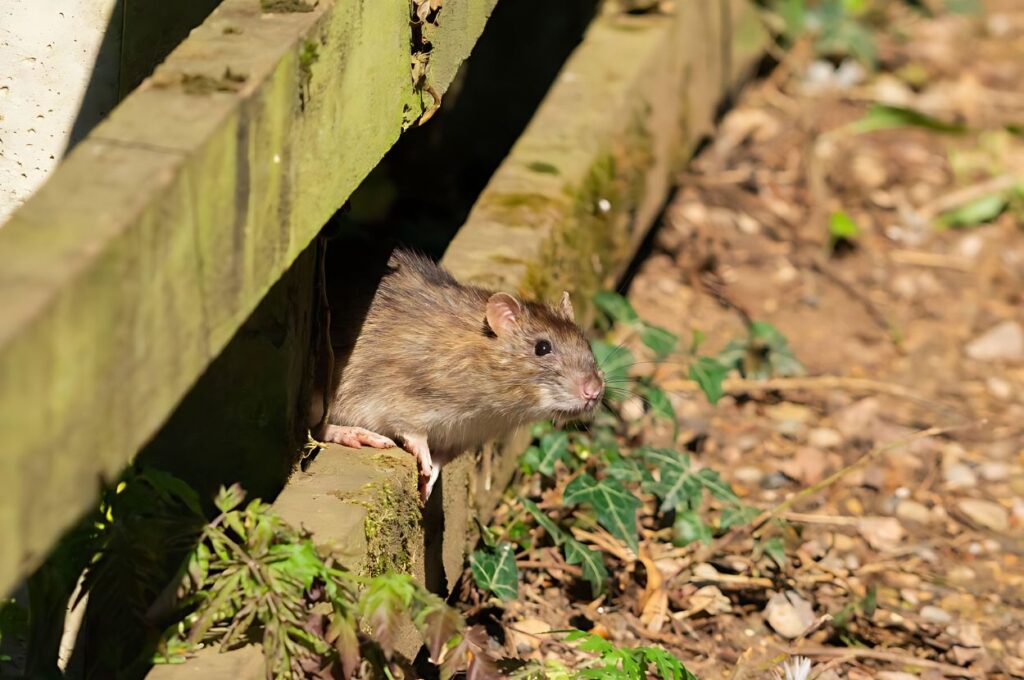
Norway rats are larger, more ground-oriented rodents. They are more often associated with burrowing, foundations, garages, sheds, crawlspaces, drainage areas, and ground-level access, but they too can infest attics.
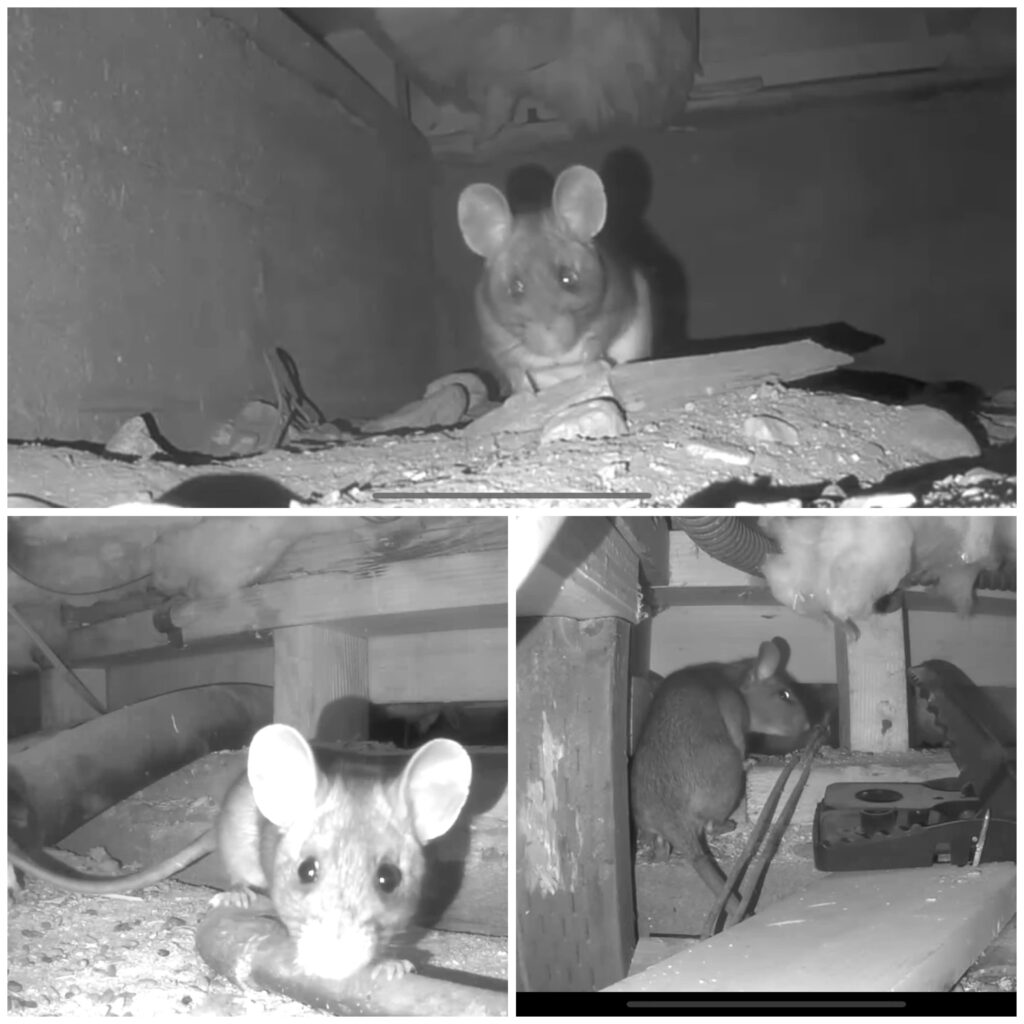
Mice can enter through very small openings and are often found around garages, pantries, cabinets, crawlspaces, pipe penetrations, door gaps, and utility openings.
Because rodent behavior varies, the inspection should determine the actual access points instead of assuming there is only one path into the home.
Why Pasadena Homes Need Careful Exclusion

Pasadena has many conditions that can support rodent activity:
- Older homes
- Vented crawlspaces
- Mature trees and landscaping
- Roof-touching branches
- Fruit trees
- Attached garages
- Hillside and foothill pressure
- Roofline complexity
- Older vent systems
- Past repairs or remodels
- Gaps created by settling or aging materials
Clean homes can still get rodents if the structure has access points and the surrounding conditions provide food, water, shelter, or travel routes.
Older Pasadena homes often need especially careful exclusion because small construction gaps, aged screens, worn garage seals, and old utility penetrations can be easy to miss.
How a Full Exclusion Job Works
For active infestations, the process usually begins with inspection.. Once activity is understood and controlled, exclusion and trapping work can be completed so the same openings are not left available for future rodents.
For preventive work, exclusion may be performed before rodents are active inside the home. This can be especially useful for homes that have had rodent problems before, properties near open space, homes with heavy landscaping, or older structures that have never had a detailed rodent-entry inspection.
A typical exclusion process includes:
- Inspecting the property
- Identifying confirmed and likely entry points
- Explaining the findings
- Prioritizing repairs
- Sealing vulnerable openings with appropriate materials
- Recommending exterior corrections when needed
- Reviewing completed work with the customer
Pairing Exclusion With Cleanup
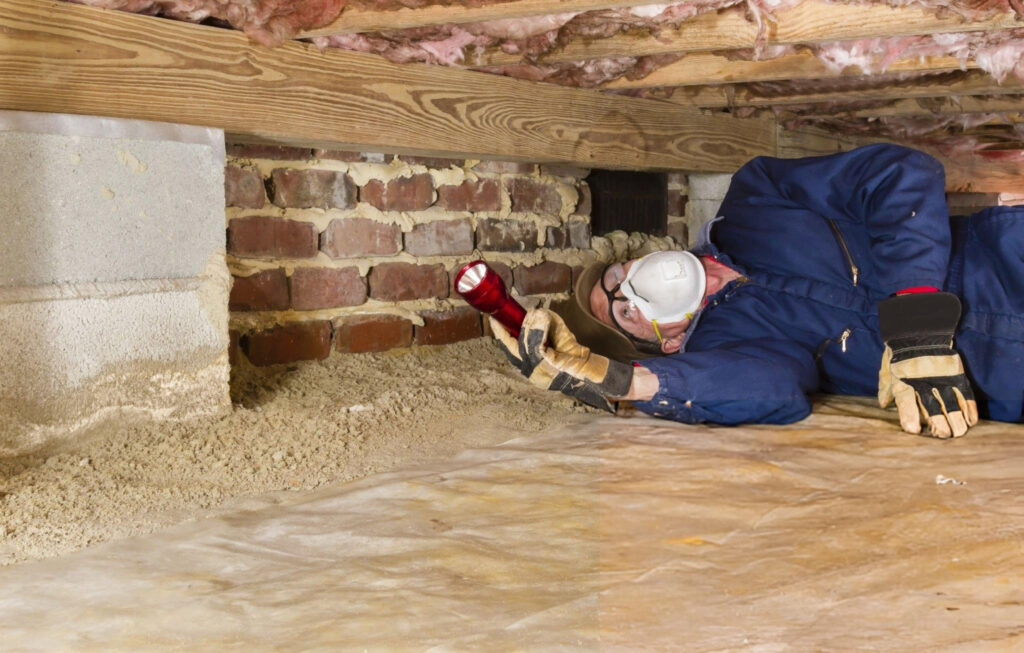
Long-running rodent problems may also require attic, crawlspace, garage and/or living space cleanup. Droppings, urine staining, nesting material, damaged insulation, odors, and contamination should be evaluated after the active infestation is addressed.
When cleanup or insulation replacement is needed, the order of work matters. In most cases, the structure should be trapped and excluded before cleanup so the cleaned area is not quickly re-contaminated.
Depending on the condition of the space, cleanup may involve removing contaminated insulation, cleaning affected areas, addressing odors, and replacing insulation when appropriate.
Long-Term Value of Exclusion
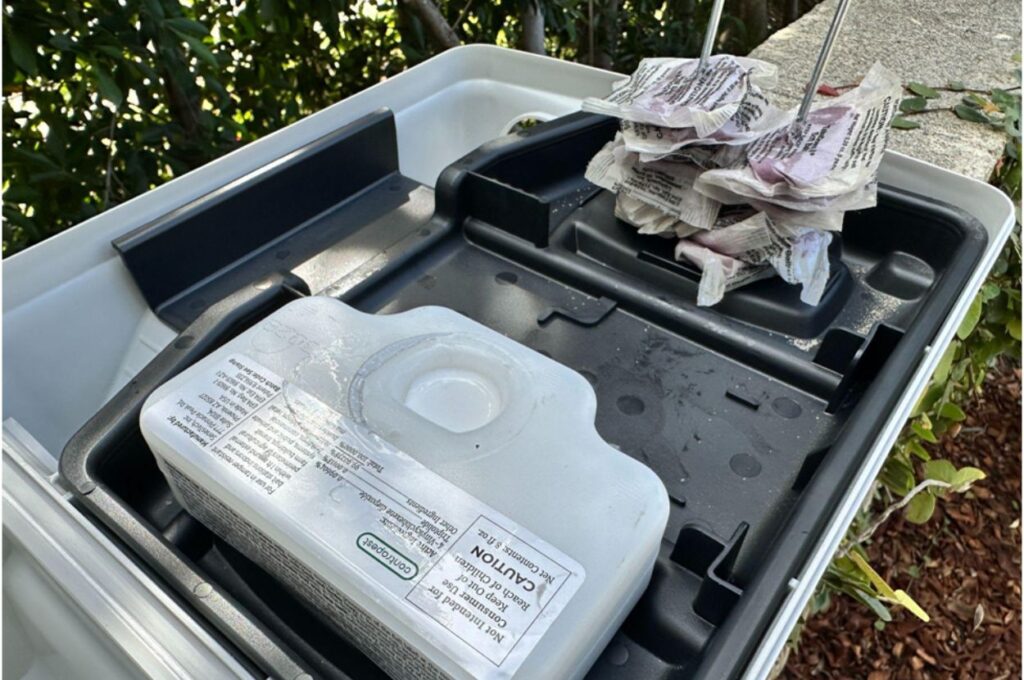
Exclusion costs more than trapping alone, but it addresses the structural access points that allow rodents to keep entering.
Without exclusion, recurring trapping may be needed because the same openings remain available. With proper exclusion, the home’s vulnerabilities have been addressed, and the chances of repeat rodent activity are significantly reduced.
The exact cost depends on the size of the home, number of openings, height and roofline access, crawlspace or attic conditions, material needs, and the scope of repairs.

Our Rodent Exclusion Standard
We inspect carefully, explain what we find, and use materials suited to the structure and opening. Our goal is to correct the access points, eliminate repeat activity, and give the homeowner a clear understanding of what was sealed and why.
If activity returns through an entry point we sealed, our response depends on the specific service terms and warranty for that job. We review those terms with the customer so expectations are clear before work begins.
Schedule Rodent Exclusion in Pasadena
If you have had rodents before, are dealing with activity now, or want to reduce the chance of future entry, Pasadena Pest Control can help.
Call (626) 737-7173 or request a quote. We’ll inspect the property, identify likely access points, and build a rodent exclusion plan for your home.