
Rodent Inspection in Pasadena, CA

No CC or payment required before service
No contract required for ongoing service
Pest-free guarantee
Detailed Services
What Our Customers Say
Here’s what our customer have to say about our services.
A rodent inspection helps identify the source of scratching sounds, droppings, odors, gnaw marks, or other signs of rodent activity. In Pasadena homes, rodent issues often involve attics, crawlspaces, garages, rooflines, vents, utility penetrations, and older construction gaps that are easy to miss without a detailed inspection.
The purpose of the inspection is to move from guessing to a clear plan. We look for evidence of activity, identify likely entry points, determine whether the issue appears to involve mice, rats, or another animal, and explain what should happen next.
This inspection is part of our rodent services work in Pasadena.
What We Look For During a Rodent Inspection
During a rodent inspection, we check the areas where rodents commonly travel, nest, feed, and enter the structure. Depending on the property, this may include:
- Attics
- Crawlspaces
- Garages
- Basements, where present
- Kitchens and pantry areas
- Behind appliances
- Under sinks
- Cabinet voids
- Wall and floor gaps
- Rooflines
- Eaves and soffits
- Gable vents
- Crawlspace vents
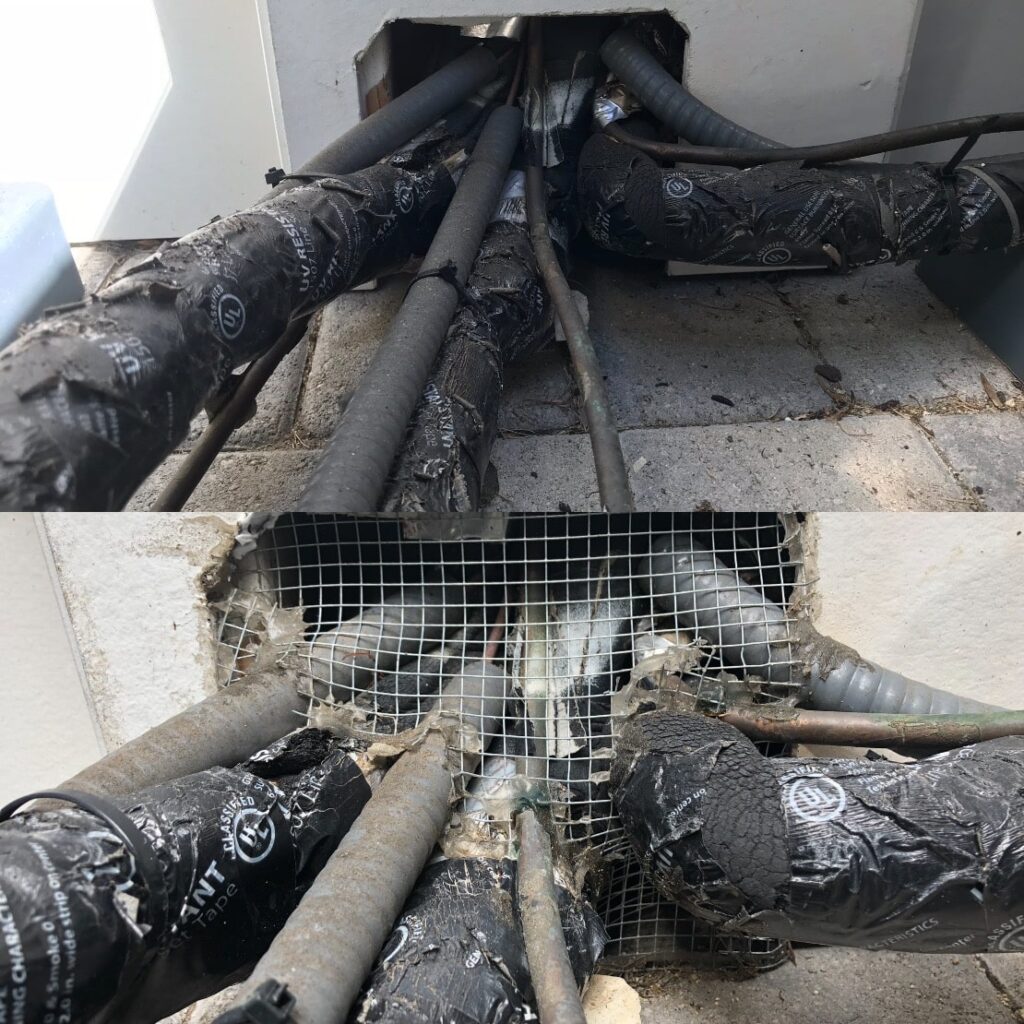
- Utility penetrations
- Garage door gaps
- Door sweeps
- Exterior foundation areas
- Landscaping close to the structure
We look for droppings, gnaw marks, rub marks, nesting material, damaged insulation, urine staining, odors, damaged screens, open gaps, and travel routes.
Droppings help show where activity is concentrated. Gnaw marks can show where rodents have been chewing. Rub marks and runways can help map movement patterns. Nesting material such as shredded insulation, paper, or fabric can indicate established activity in a protected area.
The inspection helps determine what is active, what is vulnerable, and what should be corrected first.
Our Pest
Treatment Process
Thorough Inspection
Pest Treatment
Customized Plan
Guaranteed Protection
On-Time Service
Pest-free guarantee
No Required Contracts
Detailed Service Reports
Pet- and Family-Safe
Photo Documentation
Rodent inspections are easier to understand when you can see what we found. When conditions allow, we document important findings with photos so the customer can review the evidence, entry points, and recommended repairs.
Photos may include:
- Open gaps
- Damaged vent screens
- Droppings
- Rub marks
- Gnaw damage
- Nesting material
- Damaged insulation
- Suspected urine staining
- Roofline or eave openings
- Crawlspace or attic access points
- Garage door or door-sweep gaps
- Utility penetrations
The photo report helps connect each finding to a specific recommendation. If exclusion is needed, the photos help show which openings should be sealed and why.
Rats, Mice, and Other Animals
Correct identification matters because different animals behave differently and require different treatment strategies.
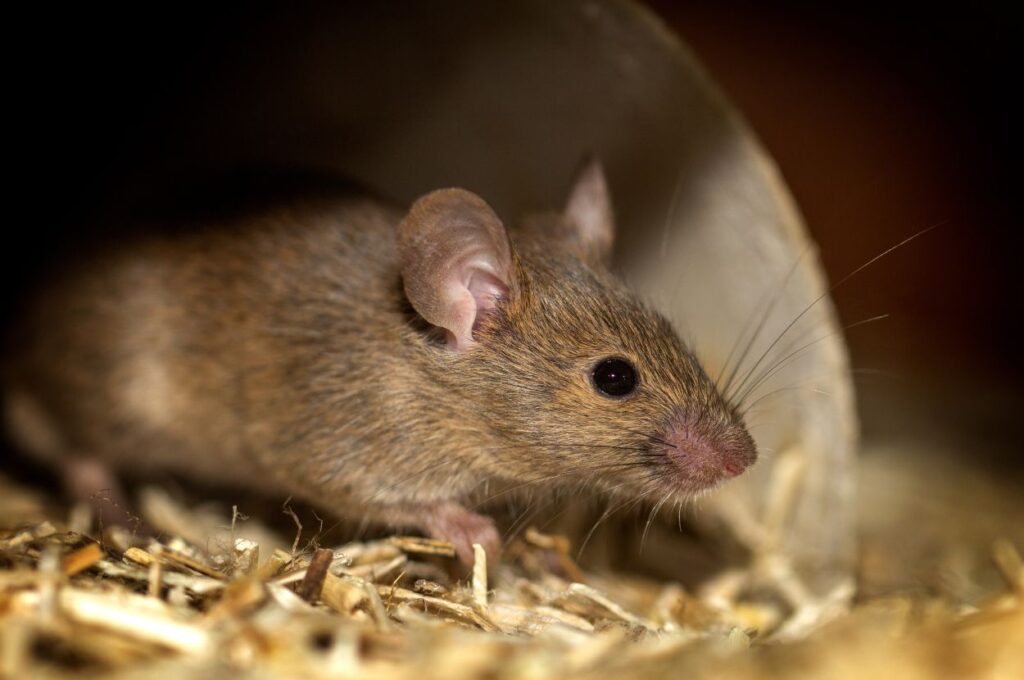
Mice can enter through very small openings and are often found near kitchens, pantries, cabinets, garages, crawlspaces, pipe penetrations, and utility openings.
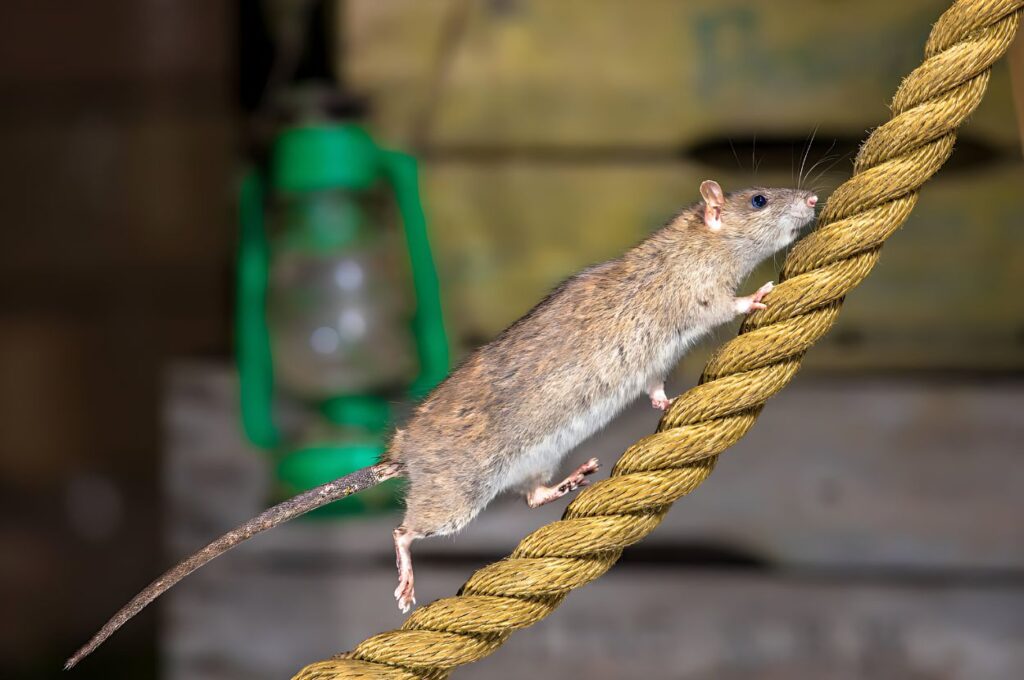
Roof rats are strong climbers and are commonly associated with attics, rooflines, trees, vines, fences, utility lines, gable vents, roof returns, and upper structural entry points.
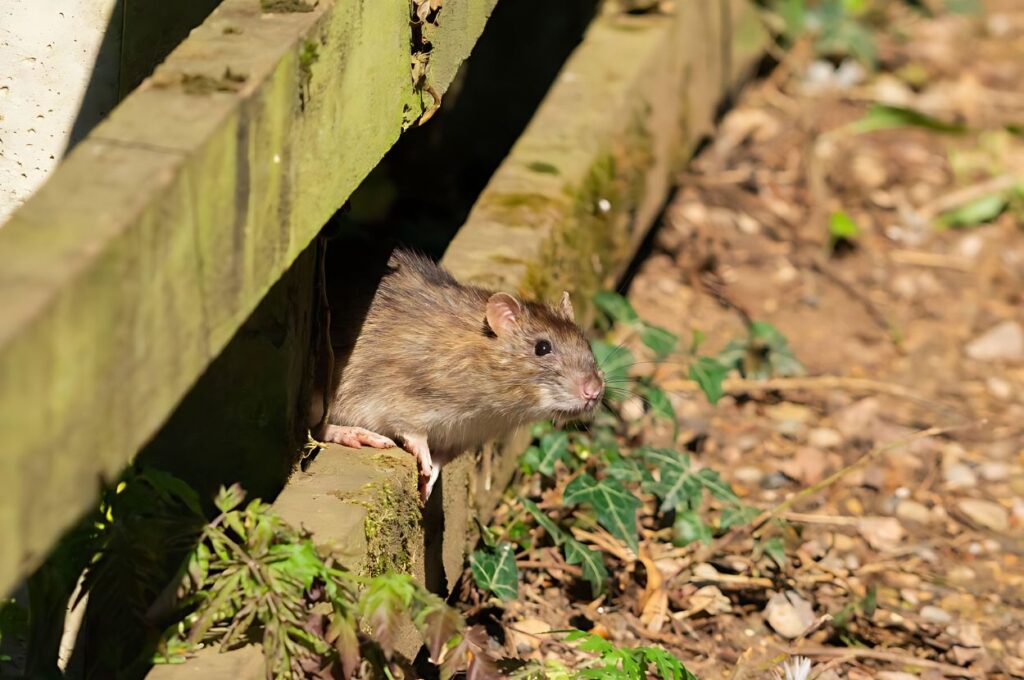
Norway rats are larger, more ground-oriented rodents. They are more often associated with burrowing, foundations, garages, sheds, crawlspaces, drainage areas, and ground-level access, but they too can infest attics.
Other animals can sometimes be mistaken for rodent activity. Squirrels, birds, lizards, and other pests can leave droppings or signs that look similar at first glance. The inspection helps confirm what is actually present before a treatment plan is built.
When to Schedule a Rodent Inspection
A rodent inspection is useful when you notice:
- Scratching, running, or chewing sounds at night
- Droppings in cabinets, pantries, garages, attics, or crawlspaces
- Gnaw marks on food packaging, wood, wiring, plastic, or stored items
- A persistent odor in an attic, garage, cabinet, or wall area
- Nesting material or shredded insulation
- Pet food, bird seed, fruit, or stored food being disturbed
- Activity after a previous treatment
- Rodent concerns before buying or selling a home
- Unsealed vents, crawlspace openings, or roofline gaps
The inspection helps determine whether you need trapping, exclusion, cleanup, prevention work, or a combination of services.
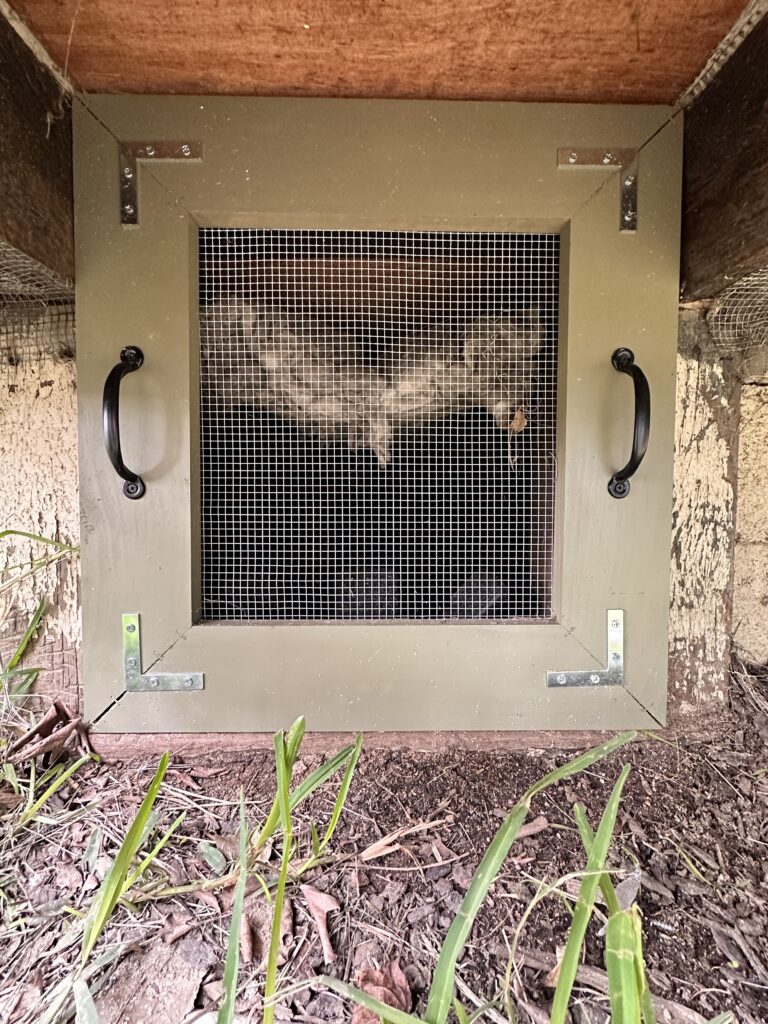
Where Rodents Hide in Pasadena Homes
Pasadena homes can provide many protected rodent hiding areas, especially in older structures with vented crawlspaces, complex rooflines, mature landscaping, attached garages, and past repairs or remodeling.
Common hiding and travel areas include:
- Attics
- Dropped ceilings
- Wall voids
- Cabinet gaps
- Garages
- Crawlspaces
- Rafter bays
- Storage areas
- Behind appliances
- Under sinks
- Around water heaters
- Foundation edges
- Dense vegetation near the home
- Rooflines connected by trees, vines, or fences
Activity in one area does not always mean the entry point is nearby. For example, attic activity may be tied to a roofline opening, tree access, a vent gap, or a utility penetration on another side of the home. That is why the inspection needs to cover both the interior activity areas and the exterior access points.
How Long a Rodent Inspection Takes
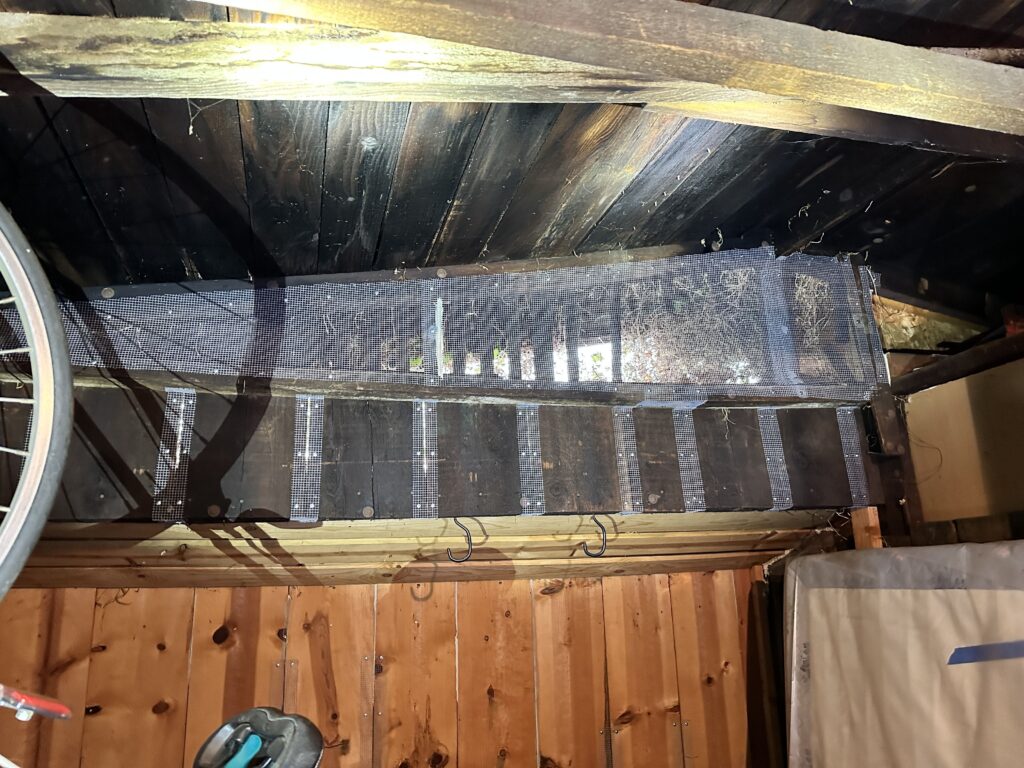
Rodent inspections can take longer than general pest inspections because the work often involves attics, crawlspaces, roofline checks, garages, storage areas, and exterior access points.
The time needed depends on the size of the property, the amount of storage, attic or crawlspace access, roofline complexity, and how much evidence is present. A careful inspection is important because one missed entry point can allow rodent activity to continue.
Cost and What Is Included
Pricing depends on the property size, access, and scope of the inspection. We explain pricing before the inspection begins so there are no surprises.
A rodent inspection may include:
- Interior activity inspection
- Exterior entry-point inspection
- Attic inspection, where accessible
- Crawlspace inspection, where accessible
- Garage inspection
- Identification of likely rodent activity
- Review of visible droppings, rub marks, gnawing, or nesting material
- Entry-point recommendations
- Photo documentation when appropriate
- Recommended next steps for trapping, exclusion, cleanup, or prevention
If treatment or exclusion is recommended, we explain the scope so you can decide how you want to proceed.
What Happens After the Inspection
After the inspection, you receive a clear explanation of what we found and what we recommend.
Depending on the situation, the next steps may include:
- Trapping active rodents
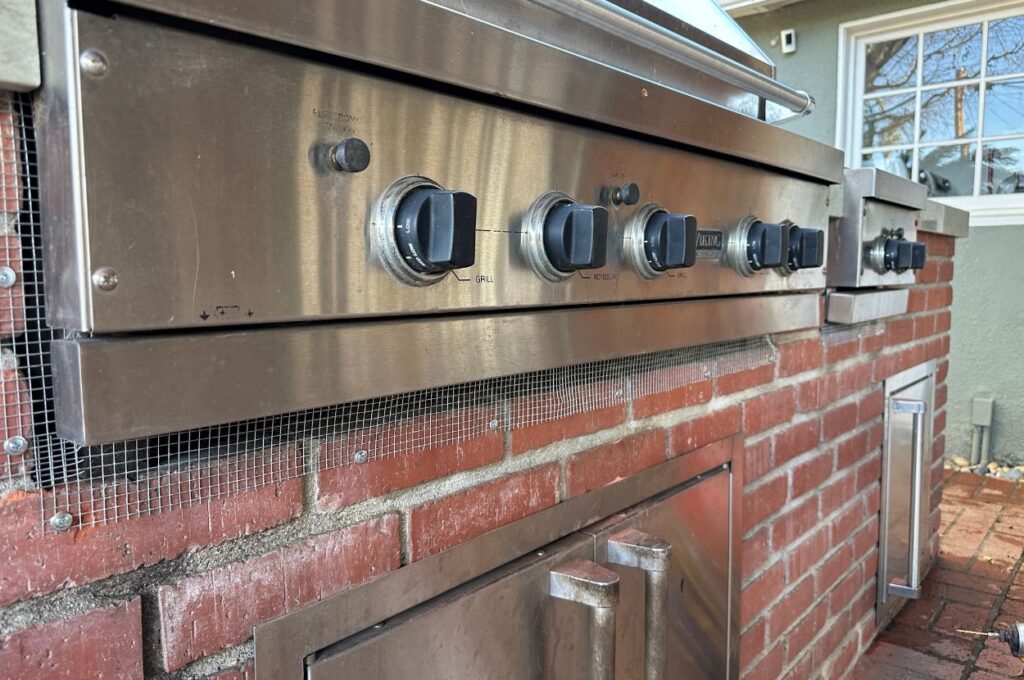
- Sealing entry points
- Replacing or reinforcing damaged screens
- Addressing garage door gaps or door sweeps
- Reducing exterior rodent pressure
- Cleaning contaminated areas
- Removing damaged insulation
- Coordinating additional repair work when needed
We will tell you what appears necessary, what is optional, and what can be prioritized. The goal is to give you a practical plan based on the actual conditions at the property.
Schedule a Rodent Inspection in Pasadena
If you hear scratching, find droppings, notice a smell, or suspect rodents are entering your home, Pasadena Pest Control can help.
Call (626) 737-7173 or request a quote. We’ll inspect the property, document what we find, and explain what it will take to correct the problem.