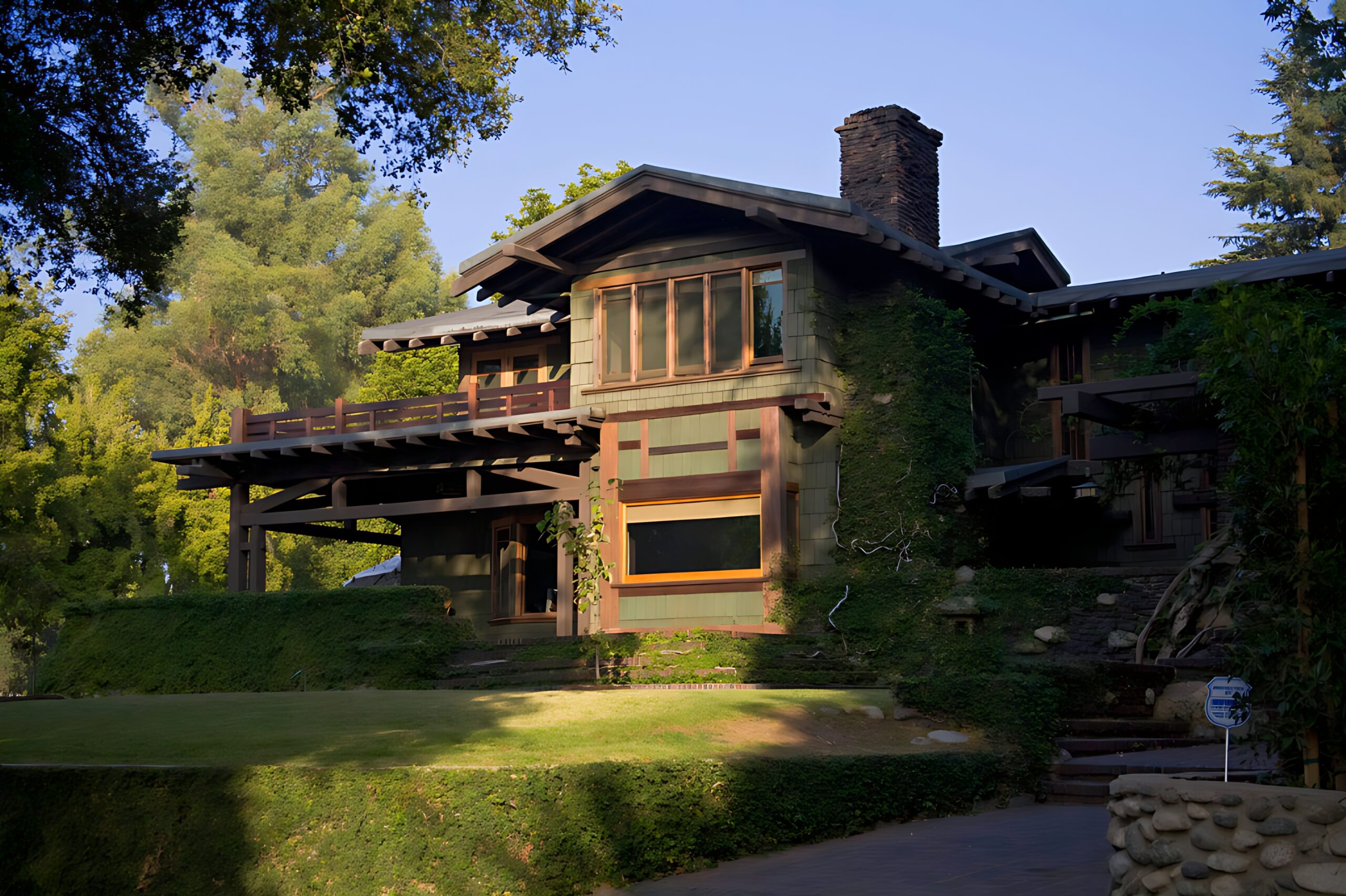
Many homeowners first consider recurring pest control Pasadena services after noticing ants in kitchens, spiders along eaves, or rodent activity in attic spaces. In older Pasadena housing—especially homes with raised foundations, crawlspaces, attic vent systems, tile roofs, and irrigated landscaping—these issues usually reflect continuous exterior pressure rather than isolated infestations. Properly structured exterior maintenance programs reduce the likelihood of pests entering living spaces and, over time, reduce reliance on interior pesticide applications by stabilizing the structure’s perimeter before activity reaches indoors.
Across Pasadena and similar West San Gabriel Valley neighborhoods, recurring exterior protection works differently from one-time treatments. It addresses how pests move around structures seasonally and how they exploit predictable entry pathways common in older construction.
How pest pressure works in Pasadena neighborhoods
Pasadena homes experience steady pest movement throughout the year because local environmental conditions support permanent exterior harborage.
Several structural and landscape features contribute to this pattern:
Raised foundations and crawlspaces
Older raised-foundation homes provide shaded, ventilated subareas that moderate temperature and humidity. These environments support insects such as earwigs, spiders, and sowbugs while also allowing rodent travel beneath living areas.
Tile roof systems
Concrete and clay tile roofs common across Pasadena create overlapping transition zones along ridges and eaves. These spaces function as movement corridors for roof rats and overwintering insects.
Attic vent systems
Original vent screening in many homes allows airflow but may not prevent rodent entry. These openings often become long-term access points.
Irrigation-supported perimeter soils
Even during dry seasons, routine watering maintains moisture near foundations. This sustains ant colonies and other insects directly adjacent to entry transitions.
Mature landscaping environments
Tree canopy cover, dense shrubs, and groundcover create protected shelter zones along structure edges that support reinfestation cycles unless regularly disrupted.
Because these conditions remain stable year-round, pest pressure rarely disappears—it shifts between species depending on season.
Why one-time treatments often fail
One-time treatments typically address visible indoor activity but do not affect the exterior nesting environments where infestations begin.
Common reasons pests return include:
Exterior colonies remain active
Ant populations frequently develop beneath slabs, inside block walls, and within planting beds. Interior treatments alone do not reach these sites. We describe this pattern in more detail here.
Egg cycles continue outside the structure
Many insects reproduce in soil and protected landscape voids. Even when adults are removed indoors, emerging generations quickly replace them unless perimeter treatment interrupts development.
Harborage zones remain intact
Webbing spiders and occasional invaders rely on shelter along:
- stucco transitions
- slab edges
- crawlspace vents
- foundation seams
- irrigation-adjacent soil lines
Without removing these shelter zones, reinfestation remains likely.
Structural entry pathways remain available
Older Pasadena homes often contain predictable access points along rooflines and attic vents. These vulnerabilities are described here.
Interior trapping alone does not prevent continued entry through these locations.
Recurring pest control Pasadena homes: what ongoing perimeter service actually does
Effective perimeter maintenance treats the structure as a boundary zone rather than reacting only to interior sightings.
A typical exterior-focused program includes:
Treatment at structural transition areas
Applications target predictable entry corridors such as:
- foundation-to-soil interfaces
- slab edges
- garage perimeters
- crawlspace vents
- attic vent transitions
- door thresholds
- utility penetrations
These locations function as movement pathways between exterior habitat and interior living space.
Web and harborage removal
Removing spider webs and accumulated debris along eaves and siding transitions eliminates shelter before treatment materials are applied. This improves long-term effectiveness and reduces reinfestation pressure.
Egg-cycle disruption
Repeated exterior treatments interrupt insect development near the structure boundary. Over time, this reduces the number of insects attempting to enter the home.
Monitoring seasonal activity shifts
Routine visits allow early identification of:
- expanding Argentine ant pressure
- increased spider populations
- irrigation-related insect movement
- early rodent travel indicators
Many of the insects addressed through this type of maintenance are included under Pasadena Pest Control’s General Pest Home Protection Plan.
How seasonal changes affect pest activity in Southern California
Pasadena does not experience a true dormant pest season. Instead, activity changes throughout the year.
Late winter through early spring
Rainfall supports rapid Argentine ant expansion, especially around foundations and crawlspaces.
Late spring through summer
Irrigation maintains exterior insect habitat even during dry conditions. Spiders, beetles, and earwigs become more visible along structure edges.
Late summer through fall
Roof rats increase movement across fences and rooflines as attic nesting sites develop.
Winter
Insects often relocate into wall voids and subareas during cooler conditions, increasing interior sightings despite reduced outdoor activity.
Regional pest movement patterns documented by the University of California Integrated Pest Management program confirm that Argentine ants remain active year-round in Southern California climates:
Because these seasonal cycles repeat annually, ongoing pest control Pasadena homes depend on perimeter stabilization rather than reactive treatment alone.
What homeowners can realistically expect from ongoing pest protection
Year-round pest protection Pasadena programs are designed to reduce the likelihood of exterior populations entering structures rather than eliminating outdoor insects entirely.
With consistent maintenance, homeowners typically observe:
- fewer indoor ant trails
- reduced spider web accumulation along eaves
- fewer occasional invaders entering living areas
- earlier identification of rodent movement
- reduced need for interior pesticide applications
These outcomes reflect stabilization of the structure boundary rather than temporary suppression of visible pests.
Pasadena Pest Control provides detailed exterior perimeter protection without contracts for homeowners seeking flexible maintenance coverage.
How recurring service reduces indoor treatments over time
Interior pesticide applications are most often required after pests cross the structure envelope. Exterior-first service changes this pattern.
As perimeter populations decline near entry transitions:
- fewer insects reach indoor thresholds
- crawlspace activity becomes easier to monitor
- attic access points are evaluated earlier
- localized corrections replace broad interior treatments
Exterior maintenance also works alongside structural corrections such as sealing pipe penetrations that allow rodent movement beneath homes, described here.
In older Pasadena housing, this combined approach produces more stable long-term results than one-time treatment alone.
FAQ
Is recurring pest control necessary in Pasadena homes?
Many Pasadena homes have raised foundations, attic vents, tile roofs, and irrigated landscaping that support continuous exterior pest activity. Ongoing pest control Pasadena homes helps reduce reinfestation by treating pests where they originate before they enter living spaces.
Why do pests return after treatment in Southern California?
Pests often return because exterior nesting sites remain active and insect egg cycles continue in soil and landscape voids. Without perimeter maintenance, new insects replace those removed indoors.
Does exterior treatment reduce indoor pesticide use?
Yes. Stabilizing pest pressure around the structure perimeter typically reduces the frequency of indoor treatments over time.
