
Older homes across Pasadena—especially Craftsman, Spanish Revival, and early mid-century properties—contain structural characteristics that rodents routinely exploit. During rodent inspections throughout Pasadena’s older neighborhoods, entry is most often associated with raised foundations, aging siding transitions, open roofline details, and retrofitted utility penetrations added decades after original construction.
Because many homes built before 1960 include continuous framing pathways between crawlspace, wall voids, and attic areas, rodents can move vertically inside structures without being immediately detected.
Why Older Pasadena Homes Are Especially Vulnerable
Homes built before modern pest-resistant construction standards frequently include:
- raised perimeter foundations with vented crawlspaces
- wood siding terminating above exposed mudsills
- open rafter tails and roofline returns
- attic vents with lightweight original screening
- plaster wall systems connected to attic cavities
- utility penetrations added after original construction
- mature landscaping contacting exterior walls
In Pasadena’s pre-war housing stock, these features often create concealed vertical travel routes that allow rodents to enter at the foundation level and appear later in attic spaces.
Even a ½-inch opening can allow mice inside. Roof rats require only slightly larger gaps. Older homes tend to have a lot of these, particularly those with non-stucco siding, which is one of several reasons for significant variation in exclusion pricing, particularly in the Pasadena and west San Gabriel Valley area where many such homes exist.
Where Entry Is Most Often Found During Pasadena Rodent Inspections
During exclusion inspections of older Pasadena homes, the most frequent concealed entry locations include:
- siding-to-foundation transitions
- crawlspace foundation vents
- roofline returns and open eaves
- attic vent screens
- garage slab separations at door corners
- plumbing penetrations and abandoned pipe pathways
These locations are repeatedly associated with attic activity that appears weeks after initial structural entry.
Most Common Rodent Entry Points
1. Bottom of Siding Gap at the Foundation (Wall Void Access)
One of the most common concealed entry points observed during inspections of older Pasadena homes is the gap where siding terminates above the foundation.
This detail originally prevents moisture wicking into siding materials, but over time it frequently becomes a protected access route into wall cavities. Rodents commonly:
- climb the exposed foundation face
- enter beneath siding edges
- travel vertically inside wall voids
- emerge later into attic spaces
Homes with original wood lap siding and older mudsill transitions are especially susceptible once separation develops between the lower siding course and the structure.
In Pasadena’s balloon frame housing stock, this entry point is often responsible for attic infestations that appear without visible roofline access.
2. Crawlspace Foundation Vents
Older crawlspace vents frequently contain original screening that was not designed to resist rodents.
During inspections, common vulnerabilities include:
- lightweight mesh
- rusted fasteners
- gaps between vent frame and stucco
- bent louvers
Rodents often chew through original screening or enter around the vent perimeter. Crawlspace entry frequently precedes movement into wall cavities in homes with continuous framing connections.
3. Roofline Gaps and Open Eaves
Roof rats commonly enter through elevated structural openings such as:
- separated fascia boards
- open rafter tails
- soffit gaps
- roofline intersections
These vulnerabilities are especially common in Pasadena Craftsman homes with exposed architectural roof framing. Tree canopies common in older neighborhoods frequently provide direct access to these entry points.
4. Attic Vent Screens
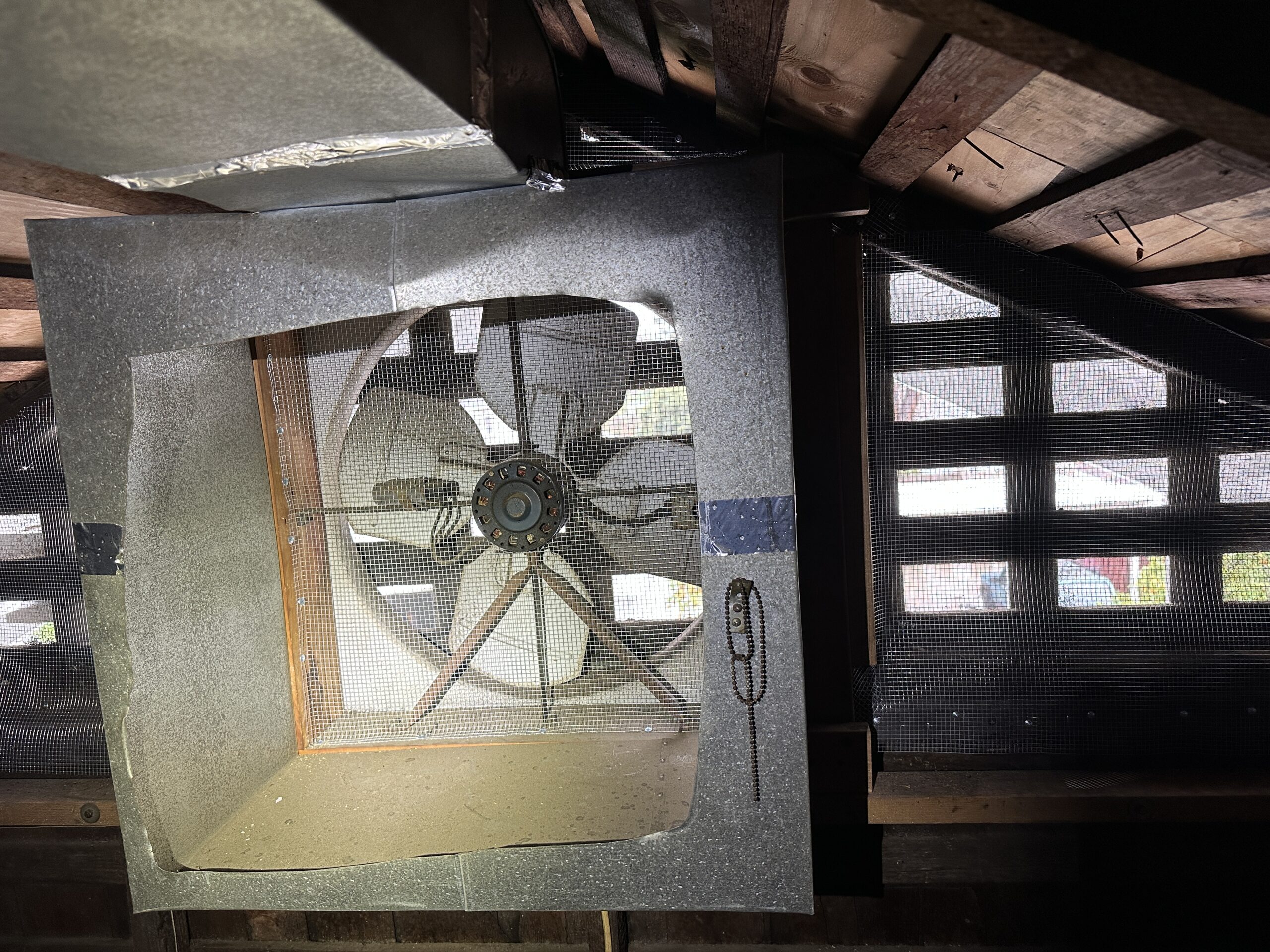
Attic vents are designed for airflow rather than rodent resistance. In older Pasadena homes, original vent screening is often:
- thin
- corroded
- loosely attached
- partially separated from framing
Once rodents access attic cavities through vent openings, activity often expands quickly throughout connected framing voids.
5. Garage Doors and Uneven Slab Transitions
Garage door corners are among the most frequent ground-level rodent entry points identified during Pasadena exclusion inspections.
Older garage slabs commonly settle unevenly over time, creating:
- daylight gaps beneath door corners
- separation along slab edges
- lifted weather stripping
- expansion-joint openings at thresholds
Rodents often establish initial shelter inside garages before moving upward into attic framing through shared wall cavities.
Detached garages common in Pasadena neighborhoods can also act as staging structures prior to entry into the main residence.
6. Plumbing Penetrations and Abandoned Pipe Openings
Older plumbing systems create several overlooked entry opportunities.
During inspections of Pasadena homes built before mid-century retrofits, common access routes include:
- unused pipe penetrations left open after remodels
- oversized wall openings around supply lines
- crawlspace pipe transitions without sealing
- abandoned galvanized pipe pathways
Rodents also frequently chew softened aging pipe insulation and surrounding materials to enlarge entry gaps.
Contractor retrofits performed decades after original construction are a particularly common source of concealed wall-void access.
7. Utility Line Penetrations
Utility penetrations are another frequent access route, especially where HVAC systems were installed after original construction.
Typical vulnerabilities include:
- air-conditioning refrigerant lines
- electrical conduit
- cable and internet penetrations
- exterior junction transitions
Foam used to seal these openings often shrinks over time, leaving gaps large enough for rodent entry.
8. Roof Vent Pipes and Furnace Flues
Roof penetrations gradually loosen as sealants age and flashing shifts.
Rodents may enter through:
- plumbing vent penetrations
- furnace flue transitions
- flashing separations beneath shingles
- gaps around pipe collars
These openings commonly provide direct access into attic cavities in older Pasadena homes.
Landscaping That Creates Hidden Access Routes
Rodents rarely approach structures across open ground when vegetation provides cover.
Common contributors in Pasadena neighborhoods include:
- ivy climbing exterior walls
- dense hedges contacting siding
- tree branches extending over rooflines
- stored materials near foundations
Mature landscaping typical of Pasadena’s historic neighborhoods frequently creates protected travel corridors connecting soil grade to roofline entry points.
Early Warning Signs of Entry Activity
Typical indicators observed during inspections include:
- scratching sounds inside walls or ceilings at night
- droppings near foundation vents or garage edges
- insulation pulled outward from openings
- chew marks along siding transitions
- grease rub marks along structural edges
Early detection significantly reduces the likelihood of attic colonization.
How Entry Points Are Properly Secured
Effective exclusion typically involves:
- reinforcing vulnerable vents with ¼-inch galvanized hardware cloth
- sealing siding-to-foundation transitions where appropriate
- closing roofline gaps
- protecting plumbing and utility penetrations with durable materials
- correcting structural separations at flashing and fascia
Temporary sealants alone rarely provide long-term protection.
Why Prevention Matters in Older Pasadena Homes
Older Pasadena structures commonly contain interconnected crawlspace, wall void, and attic pathways. Once rodents gain entry, they can move throughout the structure without being immediately detected.
Addressing entry points early helps prevent insulation contamination, wiring damage, parasite introduction, and recurring infestations that are more difficult to resolve after attic activity becomes established.
Learn about our inspection and control process here.
