Homeowners hearing scratching in the attic, finding droppings near insulation, or noticing activity along rooflines often assume trapping alone will solve the problem. In reality, rodent prevention Pasadena homes depends on reducing exterior pressure around the structure—not just removing the animals currently inside. Long-term prevention strategies address how roof rats move through Pasadena neighborhoods, how they access buildings, and why reinfestation commonly follows removal-only service.
Across Pasadena and the West San Gabriel Valley, homes with raised foundations, attic vent systems, tile roof transitions, roofline gaps, and mature perimeter landscaping create predictable entry opportunities that require ongoing monitoring rather than one-time correction.
Why rodents repeatedly enter Pasadena homes
Roof rats are the dominant structural rodent species in Pasadena. Unlike ground-burrowing rodents, they travel primarily along fence lines, dense vegetation corridors, overhead utility routes, and roof-to-roof transitions common in older neighborhoods.
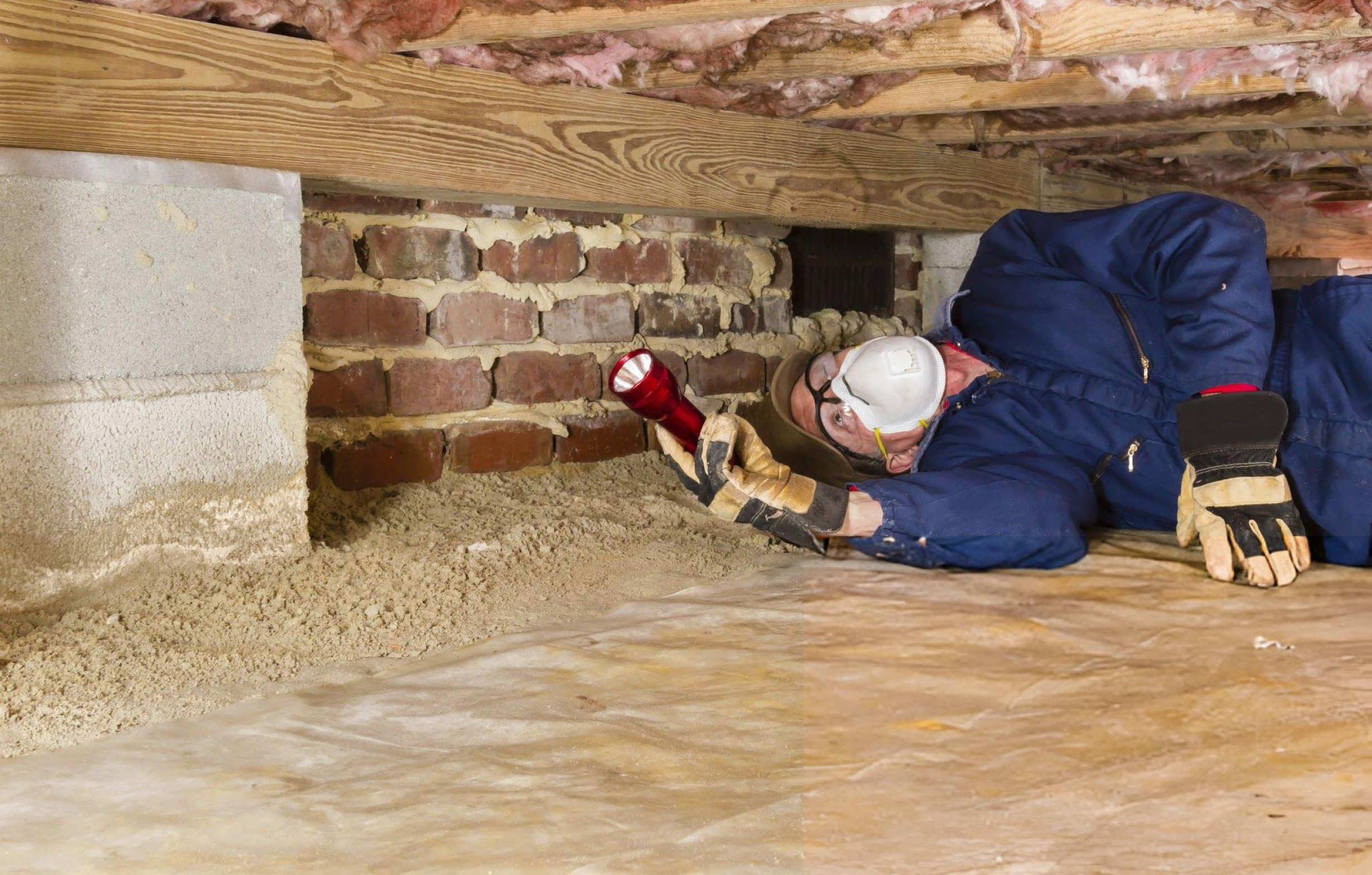
Typical entry pathways observed during inspections include attic vent failures, siding-to-foundation transitions, fascia separations, crawlspace openings, and plumbing penetrations. Many of these conditions are documented in detail in this overview of common structural vulnerabilities in older Pasadena housing stock.
Because surrounding properties share similar construction styles and landscaping continuity, reinfestation pressure rarely originates from a single structure.
Why removal alone does not stop future infestations
Interior trapping removes current occupants, but it does not change the conditions that allowed entry.
Removal-only service typically leaves active exterior travel routes, untreated vegetation corridors, nearby nesting populations, and seasonal migration pressure during temperature swings.
This is why attic noises often return months later even after successful trapping.
In Pasadena neighborhoods with mature landscaping density and overlapping rooflines, rodent activity functions more like circulation through a network than a single isolated intrusion. Effective control therefore requires both removal and continued exterior pressure management, as outlined in the local inspection-based rat control process.
How exterior bait stations reduce structural pressure
Exterior bait stations work by lowering rodent activity around the structure before animals attempt entry.
Instead of reacting after intrusion, stations intercept rodents along fence lines, reduce breeding success near structures, interrupt travel corridors, and lower attic access attempts over time.
In neighborhoods with continuous vegetation corridors across property lines, common throughout Pasadena and nearby West San Gabriel Valley communities, pressure reduction around the building envelope becomes the most reliable long-term strategy.
How Rodent Birth Control differs from traditional baiting
Traditional baiting targets rodents already approaching the structure. Rodent Birth Control targets reproduction within surrounding populations.
Rather than eliminating individuals only after they attempt entry, Rodent Birth Control programs reduce breeding rates in nearby colonies, stabilize long-term activity levels, lower seasonal spikes in attic entry attempts, and decrease dependence on repeated trapping.
Over time, this produces measurable reductions in reinfestation likelihood and shifts control from reactive removal toward sustained neighborhood-level pressure reduction.
What long-term rodent prevention actually looks like
Effective prevention programs typically include coordinated exterior monitoring stations placed along structural travel corridors to intercept rodents before entry attempts occur. Regional roof-rat movement patterns along vegetation corridors and elevated structural routes are well documented in California extension guidance, which explains why reinfestation often originates from surrounding properties rather than a single structure.
Population pressure management reduces activity levels surrounding the structure across seasons rather than responding only after intrusion.
Inspection-based adjustments ensure station placement evolves as landscaping changes and new access conditions develop.
Reduced reliance on attic trapping occurs gradually as exterior pressure declines and interior entry attempts become less frequent.
Maintenance visits confirm that emerging entry pathways such as plumbing penetrations are identified early. These concealed access routes are especially common in older Pasadena homes and are explained further here.
This maintenance-style approach is especially effective in Pasadena neighborhoods where adjacent homes share vegetation corridors and roofline elevations.
Later in a structured program, many properties require significantly fewer interior trap placements than during the initial correction phase.
Rodent prevention Pasadena homes works best when combined with exclusion
Even strong perimeter programs cannot compensate for open entry pathways.
Exclusion work remains necessary when inspections identify attic vent failures, roofline construction gaps, crawlspace openings, utility penetrations, and fascia separation points.
Sealing these vulnerabilities prevents rodents from converting exterior activity into interior nesting.
A combined approach—entry sealing plus exterior pressure reduction—produces the most stable long-term results. Within integrated programs, exclusion reduces access opportunities while monitoring stations reduce surrounding population pressure. Together, they form the foundation of durable rodent prevention Pasadena homes strategies.
FAQ
Why do rats keep returning to Pasadena homes?
Roof rats move through vegetation corridors, fence lines, and roof transitions shared between neighboring properties. Removing indoor rodents does not change surrounding population pressure, so reinfestation can occur unless exterior activity is reduced.
Do bait stations stop rodents permanently?
Bait stations reduce activity levels around the structure but work best when maintained over time. Their purpose is long-term pressure reduction rather than one-time elimination.
Is long-term rodent maintenance better than trapping alone?
Yes. Long-term maintenance lowers surrounding rodent populations, reduces attic entry attempts, and decreases dependence on repeated interior trapping. Over time, this produces more stable protection than removal-only service.
