
Outdoor and Stinging Pest Control in Pasadena, CA

No CC or payment required before service
No contract required for ongoing service
Pest-free guarantee
Detailed Services
What Our Customers Say
Here’s what our customer have to say about our services.
Outdoor and stinging pest control in Pasadena focuses on pests that make yards, patios, eaves, garages, and outdoor living areas harder to use. For many homes, the biggest issues are mosquitoes breeding in standing water and wasps building nests around eaves, shrubs, wall voids, attics, trees, and high-traffic outdoor areas.
Pasadena’s mild climate, mature landscaping, irrigation, foothill exposure, and outdoor-living spaces can keep mosquito and wasp pressure active for much of the year. By the time most homeowners notice the activity, the source may already be established.
Pasadena Pest Control handles outdoor and stinging pest issues by inspecting the property, identifying the source, and matching the treatment to the pest and conditions found on-site.
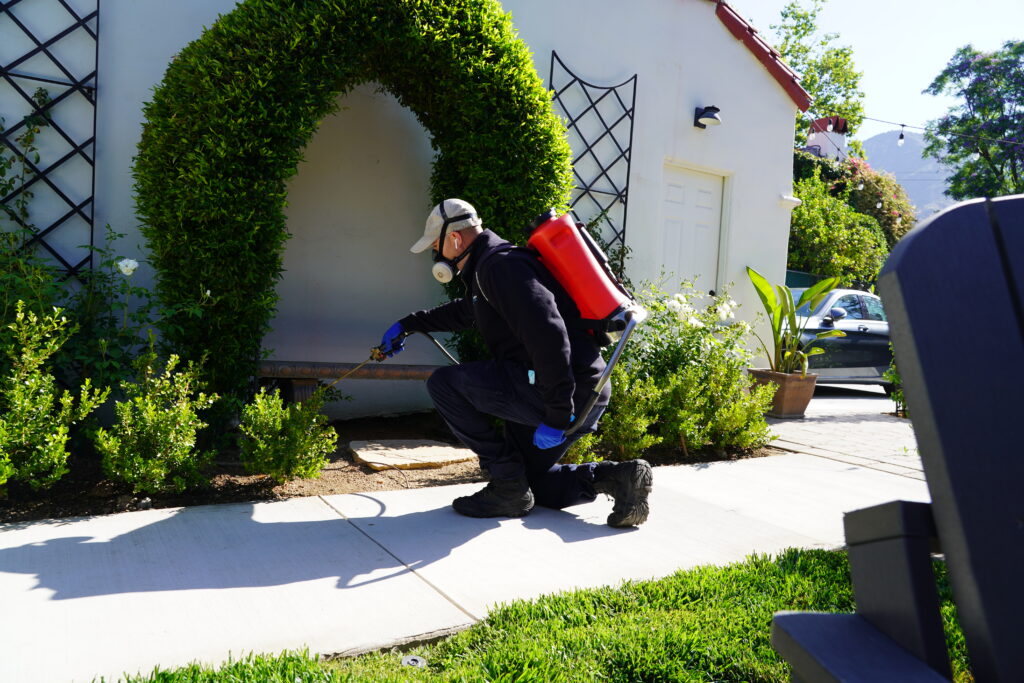
Why Outdoor Pest Pressure Is Higher in Pasadena
Pasadena has several conditions that can support outdoor pest activity:
- Mild winters
- Warm spring and summer weather
- Mature trees and landscaping
- Dense ivy and groundcover
- Irrigation runoff
- Fountains, ponds, and water features
- Patios and pergolas
- Eaves and exposed beams
- Garages and sheds
- Foothill and hillside exposure
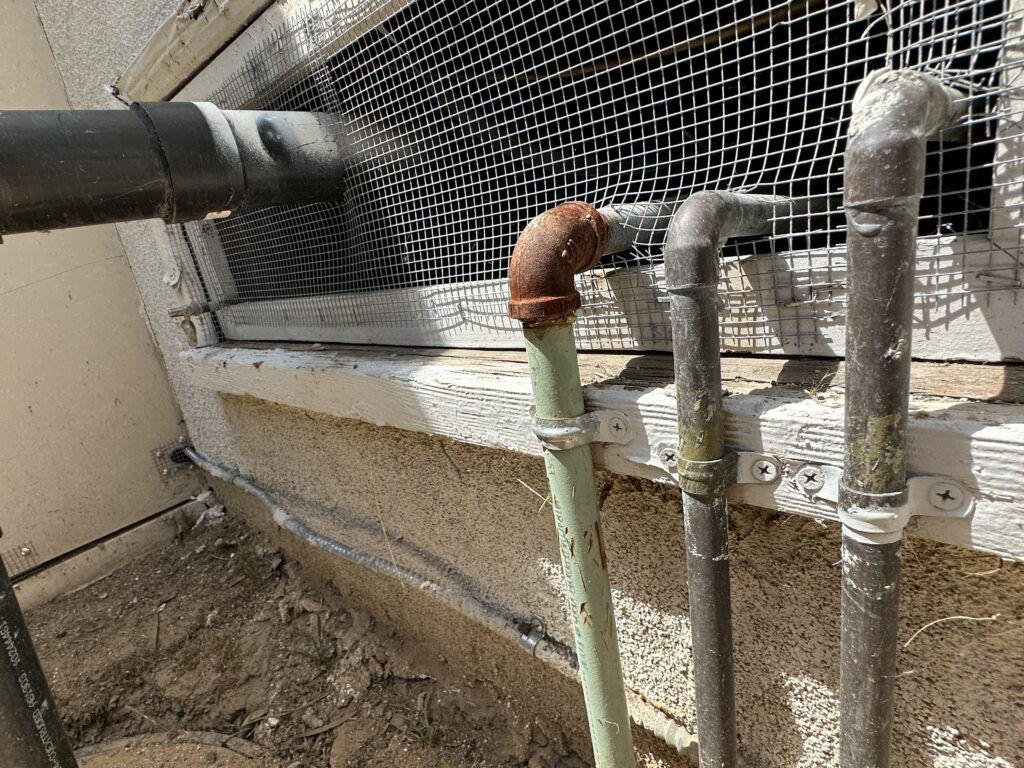
- Older homes with more exterior gaps and voids
Mosquito pressure is often tied to standing water and shaded vegetation. Wasp activity is often tied to protected nesting sites around eaves, patio covers, shrubs, trees, wall voids, and landscape features.
Outdoor pest pressure often increases during warmer months, but the exact timing depends on weather, water sources, landscaping, and the property’s surroundings.
Our Pest
Treatment Process
Thorough Inspection
Pest Treatment
Customized Plan
Guaranteed Protection
On-Time Service
Pest-free guarantee
No Required Contracts
Detailed Service Reports
Pet- and Family-Safe
Mosquito Control in Pasadena
Mosquito control starts with standing water. Mosquitoes need water to reproduce, and some species can develop in very small amounts of water.
Common mosquito breeding sources include:
- Plant saucers
- Bird baths
- Clogged gutters
- Buckets
- Toys
- Tarps
- Yard drains
- Pool covers
- Fountains
- Rain barrels
- Low spots in the yard
- Containers or clutter that hold water
Treating only the adult mosquitoes you see may provide temporary relief, but it does not solve the breeding source. Long-term mosquito control depends on source reduction, adult resting-site treatment, and ongoing monitoring.
Our mosquito service may include inspecting the yard, identifying standing water, recommending source reduction, treating shaded vegetation where adult mosquitoes rest, applying larvicide where appropriate, and using In2Care mosquito stations where they fit the property.
For regular mosquito pressure, monthly service is usually needed during the active season. A one-time treatment may help before a backyard event, but recurring monthly service is the better fit for ongoing yard use.
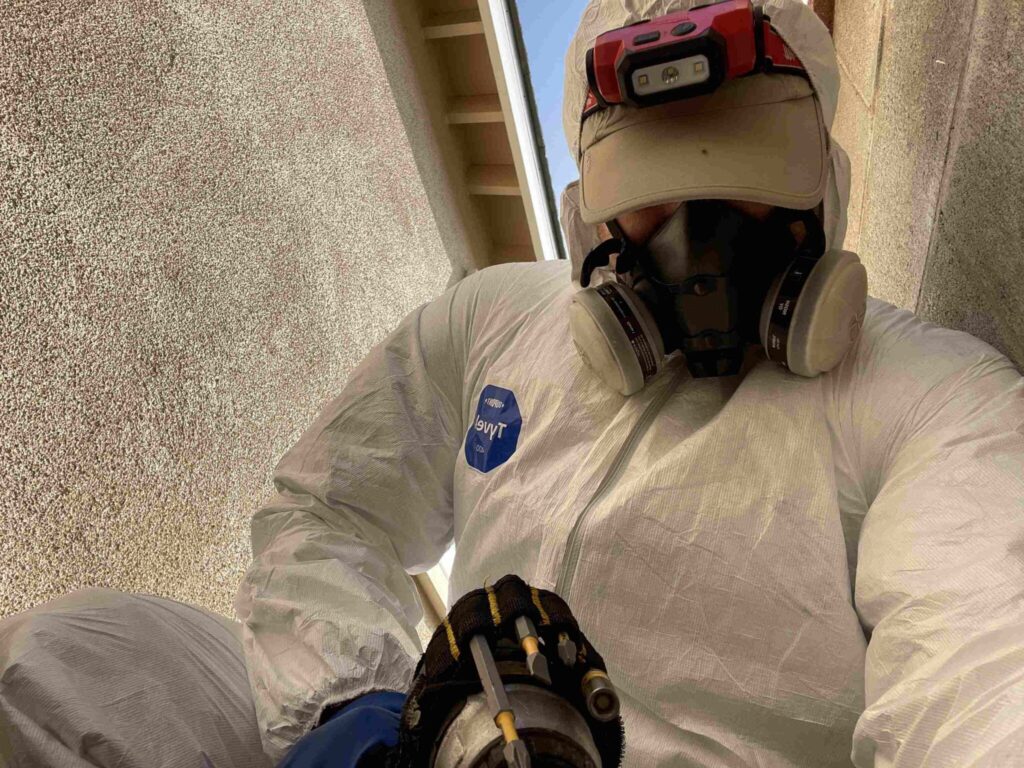
In2Care Mosquito Stations
In2Care mosquito stations can be an important part of mosquito management, especially for Aedes mosquitoes. Aedes mosquitoes are aggressive daytime biters and can breed in small containers and hidden water sources around homes.
In2Care stations are designed around mosquito breeding behavior. They attract mosquitoes looking for a place to lay eggs and help target the mosquito life cycle in a way that standard barrier treatment alone does not.
In2Care is not a replacement for source reduction or adult mosquito treatment. It works best as part of a broader plan that may include:
- Monthly station service
- Standing-water reduction
- Adult resting-site treatment
- Larvicide where appropriate
- Yard inspection
- Customer cooperation between visits
For Pasadena yards with recurring Aedes mosquito pressure, In2Care can help support a longer-term mosquito program.
Wasp Control in Pasadena
Wasp control starts with identifying the type of wasp, where the nest is located, and how close the activity is to people, pets, doors, play areas, pools, patios, or other high-use spaces.
Wasp nests can appear in:
- Eaves
- Patio covers
- Shrubs
- Trees
- Wall voids
- Attics
- Garages
- Sheds
- Ground burrows
- Fence lines
- Outdoor furniture or storage areas
Wasp removal is often not a good do-it-yourself job, especially with yellow jackets, wall-void nests, attic nests, or nests near high-traffic areas. Disturbing a nest can increase the chance of stings.
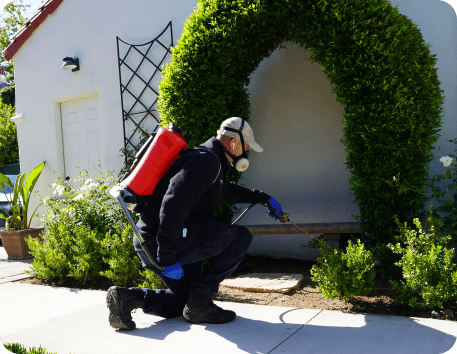
Our wasp service may include inspection, nest identification, targeted treatment, protective equipment, and nest removal where possible after activity has stopped. EPA-registered products are applied according to label directions by trained technicians, with preparation and re-entry instructions provided when needed.
Stinging Pests Found Around Pasadena Homes
Different stinging insects behave differently, so identification matters.
Paper wasps often build open, umbrella-shaped nests under eaves, patio covers, porch ceilings, and shrubs. They may sting if the nest is disturbed.
Yellow jackets may nest in wall voids, ground burrows, or other protected spaces. They can be more defensive around the nest and may require more careful treatment.
Mud daubers build mud tubes on stucco, walls, eaves, or protected exterior surfaces. They are usually solitary and are less likely to create the same kind of stinging issue as social wasps.
Bald-faced hornets build larger paper nests in trees, shrubs, eaves, or other protected areas. They can become defensive when the nest is threatened.
European hornets are less commonly encountered locally but may be found around hollow trees, attics, or protected voids in some situations.
The treatment plan depends on the species, nest location, accessibility, and risk to people using the area.
Our Honeybee Policy
Honeybees are pollinators, and we do not treat them.
If a homeowner finds a swarm or an established honeybee colony in a wall, tree, or other area, we refer the situation to a local beekeeper for live removal when possible. That is our policy.
How We Handle Wasp Calls
Wasp calls usually start with basic triage. We ask where the nest or activity is located, how close it is to high-traffic areas, whether anyone in the household has known sting sensitivities, and whether the nest appears accessible.
That information helps us determine urgency and prepare for the service.
Active nests near doorways, kids’ play areas, patios, pool areas, or other high-use spaces may need faster scheduling when the calendar allows.
During service, the technician inspects the area, identifies the likely nest location, and treats according to the species, location, and label. Visible, accessible nests may be treated directly. Wall-void or hard-to-reach nests may require a targeted approach so the treatment reaches the colony without unnecessary damage to the structure.
Once the nest is inactive, physical nest removal may be performed where practical.
What Tends to Work for Mosquitoes
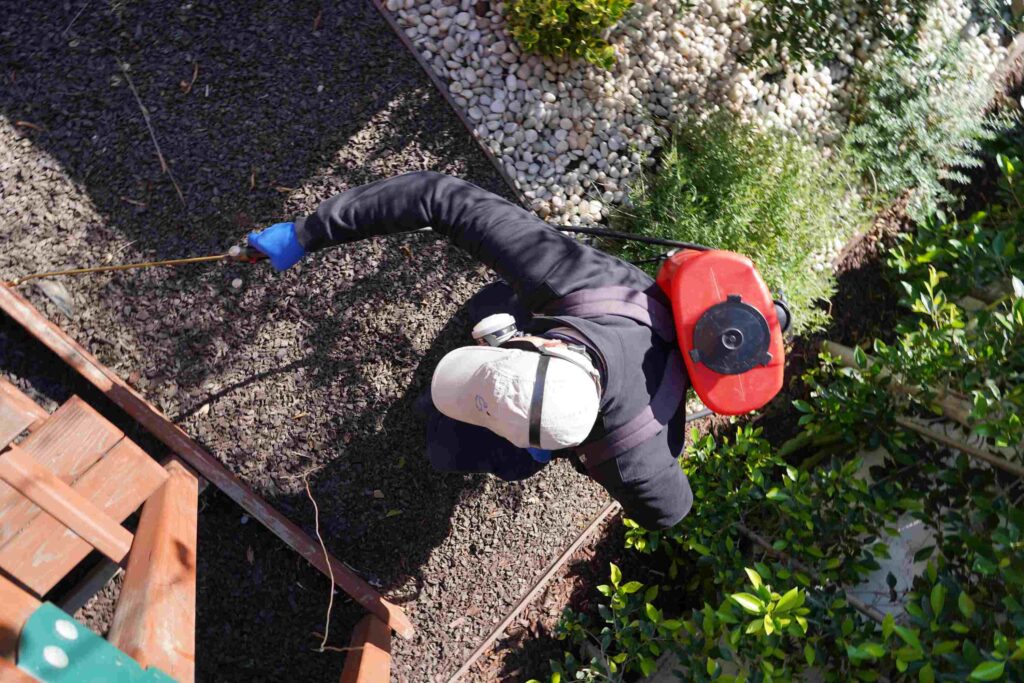
Mosquito control works best when the source and adult resting areas are both addressed.
The most important mosquito-control steps are:
- Eliminate standing water
- Treat adult resting sites where appropriate
- Use larvicide where water cannot be removed
- Use In2Care stations where appropriate
- Maintain monthly service during the active season
- Check the yard weekly for new water sources
Consumer products such as bug zappers, candles, or repellers may provide limited relief in small areas, but they usually do not address the source of the mosquito problem.
Monthly service matters because new mosquitoes can arrive from neighboring properties, and new breeding sources can appear after irrigation, rain, or normal yard use. Consistency through the active season is usually more effective than relying on a single treatment.

Service Plan and Warranty
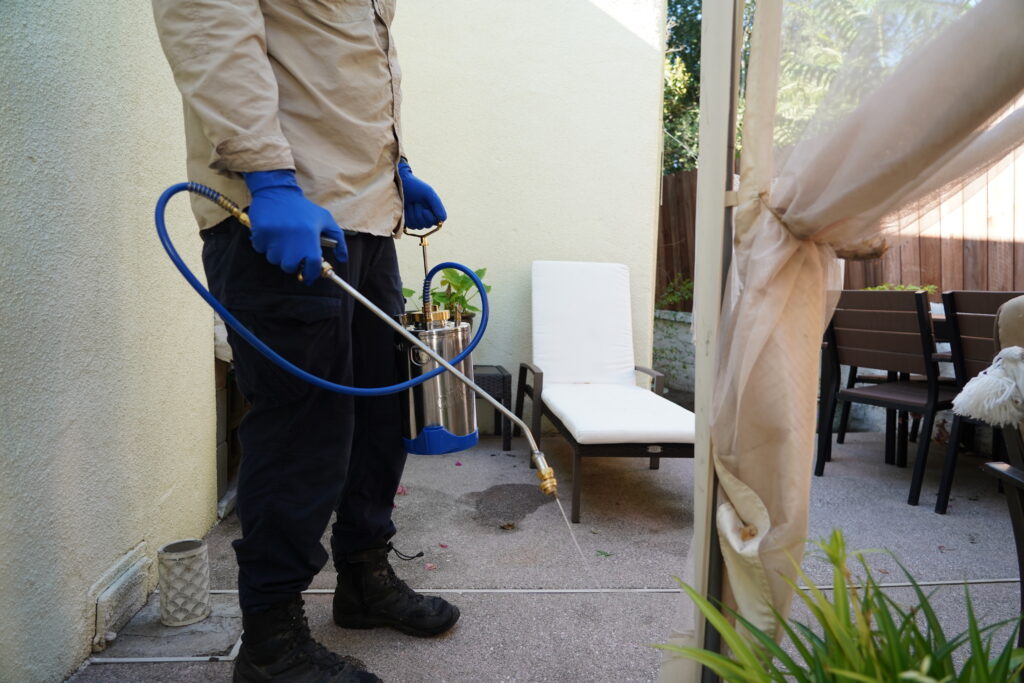
For customers on a recurring outdoor service plan, return visits may be available if covered activity returns between scheduled services. Warranty specifics depend on the plan in place, the pest involved, and the property conditions.
We explain the details before service begins so expectations are clear.
Our Service Areas
We serve Pasadena, Altadena, South Pasadena, San Marino, La Cañada Flintridge, Sierra Madre, Arcadia, San Gabriel, Eagle Rock, La Crescenta, and surrounding San Gabriel Valley communities, along with parts of North LA and the San Fernando Valley.
Same-week wasp service may be available in our core area, especially for active nests near doors, patios, play areas, or other high-use spaces.
Schedule Pest Control in Pasadena
out what’s going on, call Pasadena Pest Control at (626) 737-7173 or request a quote. We’ll talk through what’s happening and recommend the right fit.
Contact us at (626) 737-7173 to get started.
Frequently Asked Questions
Often, yes, depending on the schedule that day. Active nests near doorways, play areas, patios, or other high-use spaces tend to get priority when the calendar allows.
Call with the details and we’ll find the soonest available time.
We generally do not recommend it, especially with yellow jackets, wall-void nests, attic nests, or nests near areas people use regularly.
Over-the-counter sprays may not reach the colony and can increase activity around the nest. For active stinging insect nests, professional treatment is usually the safer approach.
Yes, we do, when it is necessary.
Note that reproductive swarms as opposed to established bees, tend to leave on their own within a few days
Duration varies based on the property, weather, irrigation, standing water, nearby mosquito sources, and the treatment performed.
For ongoing mosquito pressure, monthly service through the active season will always works better than a single treatment. A one-time treatment may help for a backyard event, but regular yard use usually requires a recurring mosquito program.