
Wasp Control in Pasadena, CA

No CC or payment required before service
No contract required for ongoing service
Pest-free guarantee
Detailed Services
What Our Customers Say
Here’s what our customer have to say about our services.
Wasp control in Pasadena is often easier when service happens early, before a nest grows larger and becomes more defensive. A few wasps under an eave in spring or early summer can become a larger nest later in the season if the colony continues to develop.
Active nests near doorways, patios, play areas, pool areas, or other high-use spaces should be handled carefully because disturbing the nest can increase the chance of stings.
Wasp removal is part of our broader outdoor and stinging pest control in Pasadena coverage. Treatment is matched to the species and nest location because paper wasps under an eave, yellow jackets inside a wall void, and mud daubers on stucco all require different approaches.
How We Approach Wasp Control in Pasadena
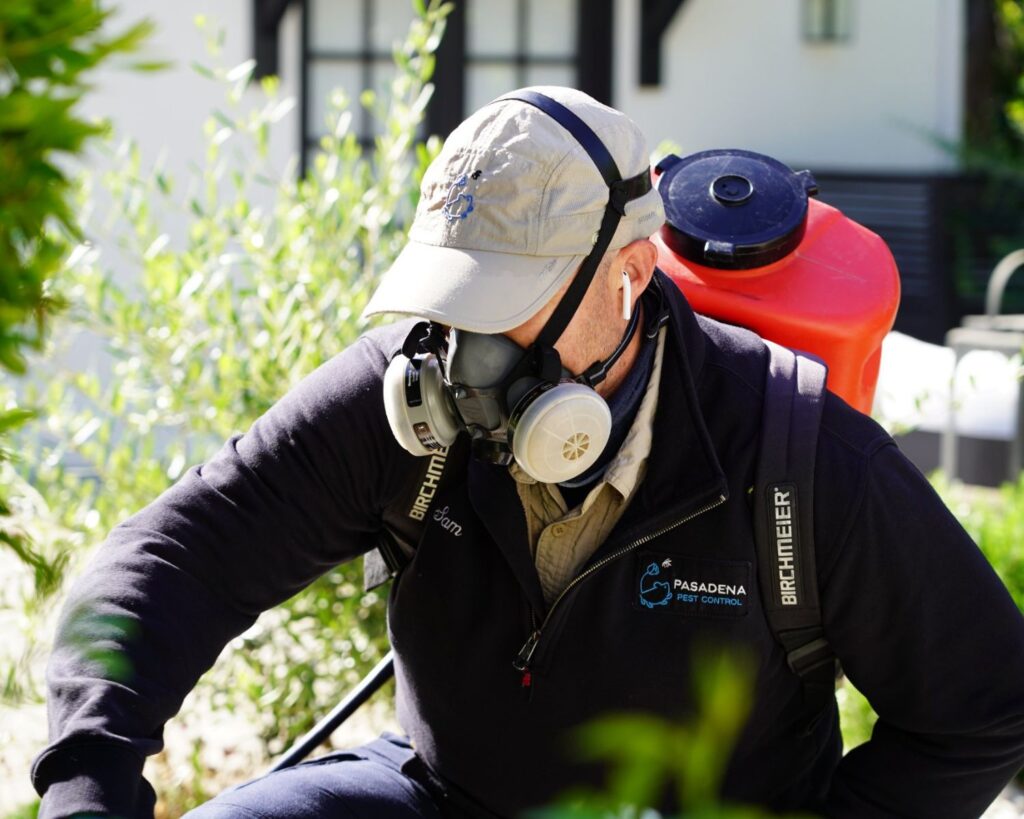
Wasp service usually starts with identifying the type of wasp and locating the nest or entry point.
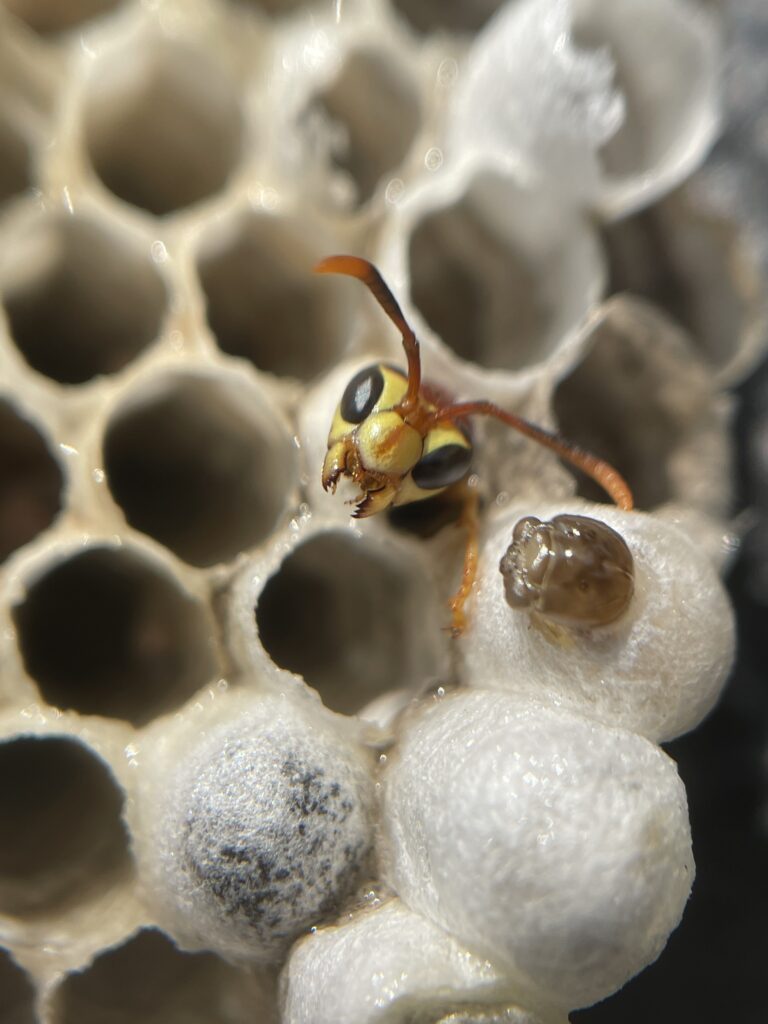
Paper wasps often build open, umbrella-shaped nests in protected corners, under eaves, under patio covers, on fences, or around outdoor structures.
Yellow jackets often nest in enclosed or protected areas such as wall voids, ground burrows, attic spaces, or structural openings. In those cases, the visible activity may be the flight path rather than the nest itself.
Mud daubers are usually solitary wasps that build mud tubes on stucco, siding, eaves, or other protected surfaces.
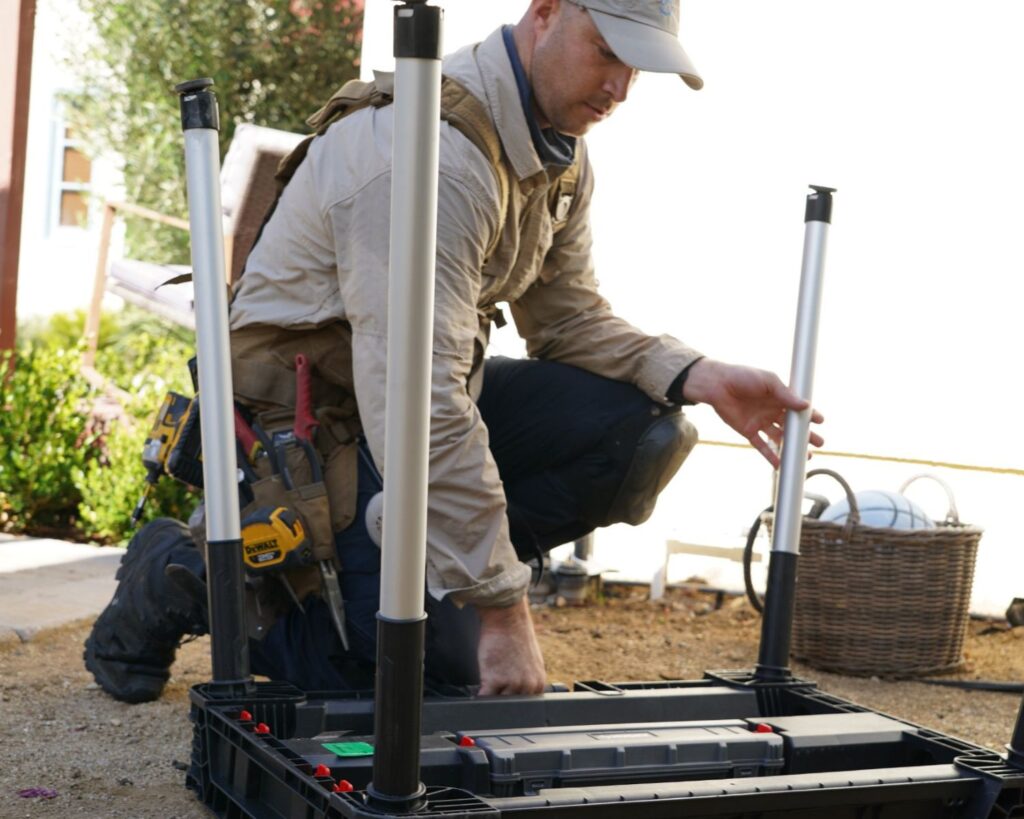
Once the species and location are understood, EPA-registered products are applied according to label directions by trained technicians. Visible nests may be treated directly and removed once activity has stopped, where removal is practical.
Concealed nests, such as wall-void or ground nests, require a more targeted approach. The treatment method depends on the nest location, access, and product label. Preparation and re-entry instructions are provided when needed.
Our Pest
Treatment Process
Thorough Inspection
Pest Treatment
Customized Plan
Guaranteed Protection
On-Time Service
Pest-free guarantee
No Required Contracts
Detailed Service Reports
Pet- and Family-Safe
Common Wasps Around Pasadena Homes
Several wasp species may show up around Pasadena homes.
Paper wasps are commonly found under eaves, patio covers, rooflines, playsets, fences, outdoor furniture, and other sheltered overhangs. They are often easier to spot because their nests are exposed.
Yellow jackets are more often associated with concealed nests, including wall voids, ground burrows, attic areas, vents, and structural gaps. The activity may appear as steady traffic in and out of one opening.
Mud daubers build mud tubes on exterior surfaces and are generally less aggressive than social wasps because they do not form large colonies. Their nests can still be unsightly and may need removal when they are built in visible or inconvenient locations.
Bald-faced hornets and other stinging insects can also appear around trees, shrubs, eaves, or protected areas, though the treatment approach depends on the species and nest location.
Why Pasadena Homes Get Wasp Nests
Pasadena’s climate, landscaping, and outdoor-living spaces can support wasp activity through much of the warm season. Eaves, patio covers, exposed beams, shrubs, trees, wall voids, attic vents, roofline gaps, and garage areas can all provide nesting opportunities.
Wasp activity often increases during warmer months as colonies grow. The exact timing depends on weather, species, property conditions, and nest location.
Homes with mature landscaping, covered patios, exposed eaves, older construction gaps, or foothill exposure may see more recurring wasp activity than homes with fewer nesting opportunities.
Wasps may also inspect areas where nests were built in prior seasons, which is one reason post-treatment nest removal and prevention recommendations can matter.
Signs of a Wasp Problem
The most obvious sign is seeing the nest itself. But some nests are hidden, especially yellow jacket nests in walls, soil, attics, or protected voids.
Common signs include:
- A visible paper nest under an eave, patio cover, or roofline
- Steady wasp traffic in and out of one opening
- Wasps entering a siding gap, vent, wall opening, or ground burrow
- Wasps repeatedly appearing indoors
- Wasps gathering around patios, pools, trash, or outdoor eating areas
- Increased activity near shrubs, trees, fences, or play equipment
- Stings or close encounters near a specific part of the property
A single wasp flying through the yard does not always mean there is a nest on the property. Repeated traffic to one location is a stronger sign that a nest may be present.
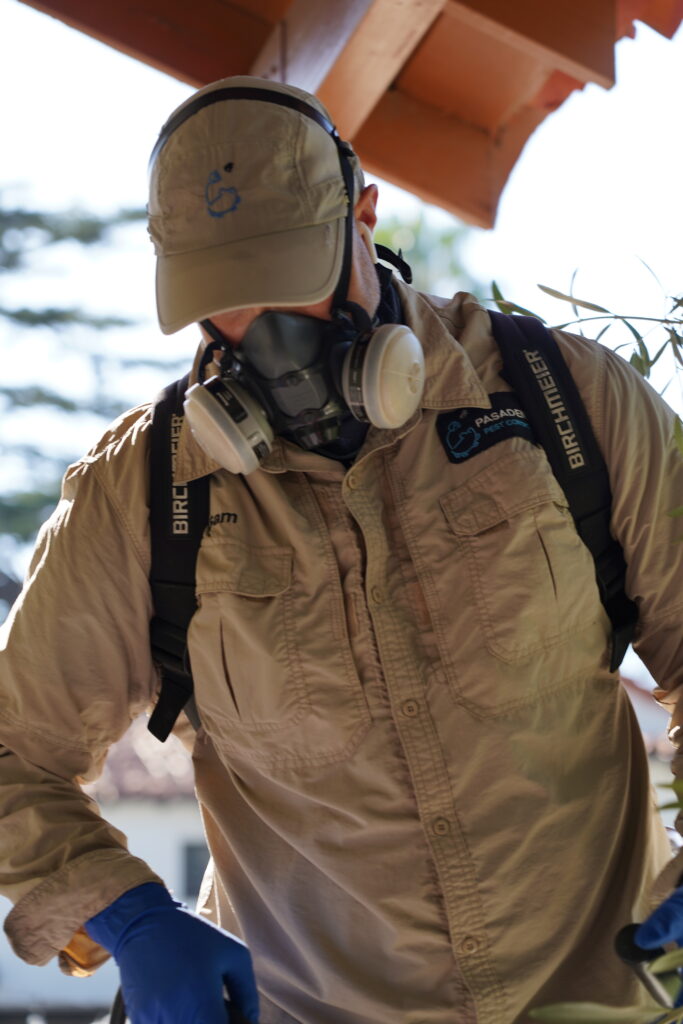
How We Treat Wasp Nests
Wasp treatment depends on the species, nest location, and level of activity.
Depending on the situation, service may include:
- Inspection and species identification
- Locating the nest or entry point
- Treating exposed nests where appropriate
- Treating concealed nests through the entry point where appropriate
- Using dust, liquid, or aerosol products depending on the site and label
- Returning to remove the physical nest where practical after activity stops
- Recommending exclusion or sealing after activity has stopped when structural access is involved
- Providing safety, preparation, or re-entry instructions when needed
Exposed paper wasp nests are treated differently from concealed yellow jacket nests. Wall-void nests, ground nests, and attic nests require more caution because the nest may not be visible from outside.
For some nests, treatment is best performed when more of the colony is present and activity is lower, such as early morning or dusk. The exact approach depends on access, risk, and site conditions.
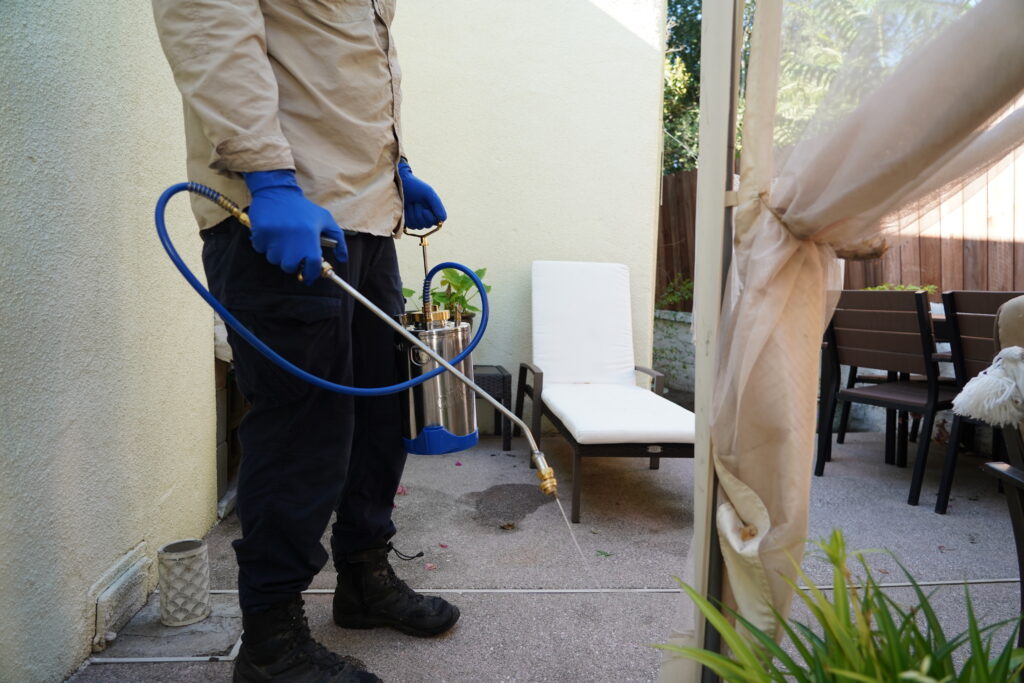
Why DIY Wasp Treatment Often Falls Short
Over-the-counter wasp sprays may knock down some visible wasps on small, exposed nests, but they may not reach concealed nests, wall-void nests, ground nests, or deeper colony areas.
DIY treatment can also increase sting risk if the nest is disturbed but not controlled. This is especially important for yellow jackets, nests near doorways or play areas, and households with known sting sensitivities.
Professional service is usually the safer option when the nest is active, concealed, elevated, near high-use areas, or difficult to access.
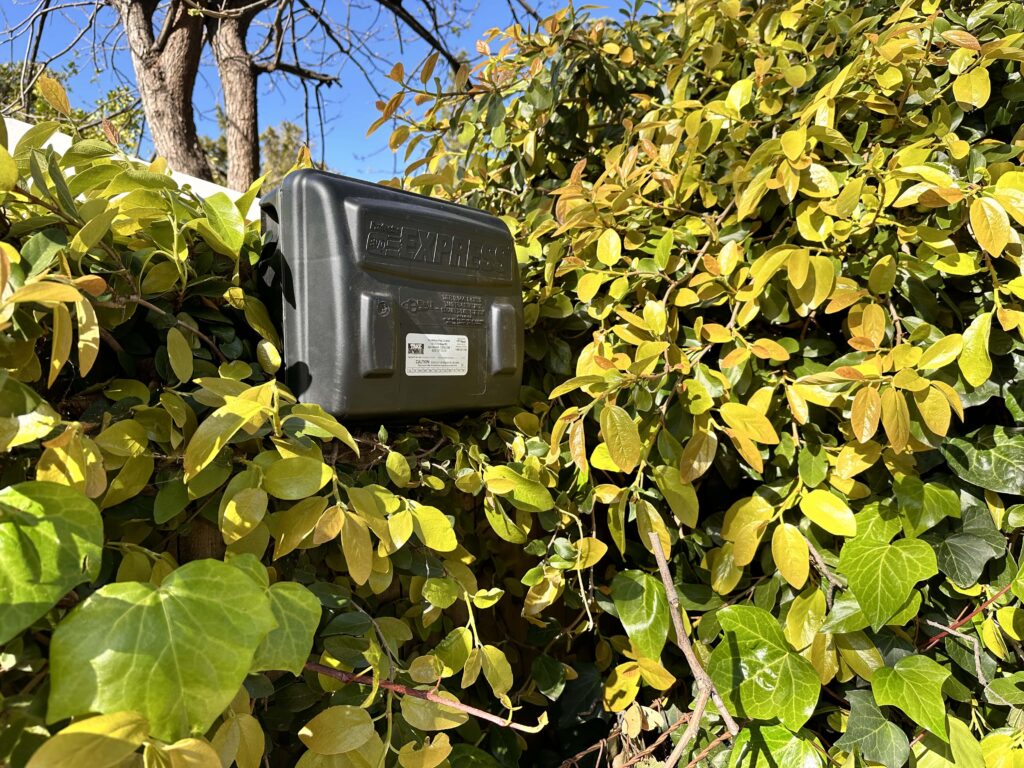
Reducing the Chance Wasps Rebuild
After a nest is treated, prevention focuses on reducing nesting opportunities and closing obvious structural access where appropriate.
Helpful steps may include:
- Removing inactive nests where practical
- Sealing obvious siding gaps after activity has stopped
- Repairing loose eave corners
- Screening or repairing attic vents where appropriate
- Reducing clutter around patios, sheds, and storage areas
- Keeping trash and outdoor food areas clean
- Inspecting eaves, patio covers, and play equipment in spring
- Addressing recurring nesting spots before colonies grow
Not every wasp nest can be prevented, but early inspection and routine exterior service can help identify new activity before it becomes a larger issue.
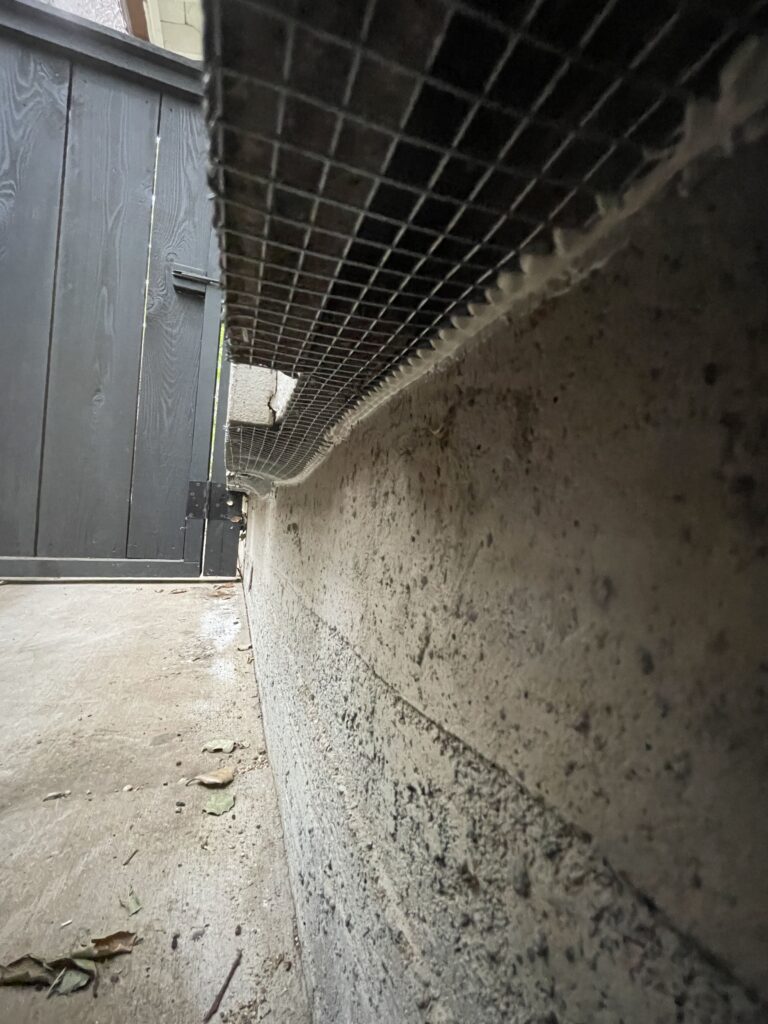

Seasonal Wasp Service
For homes that see wasps season after season, seasonal service may make more sense than waiting for the next active nest.
Spring and early-summer inspections can help identify small nests before they grow larger. Ongoing exterior service may also help monitor common nesting areas, especially around eaves, patios, playsets, sheds, fences, and other sheltered spaces.
Seasonal service may be useful for properties with:
- Recurring wasp nests
- Mature landscaping
- Covered patios
- Exposed eaves or beams
- Outdoor dining areas
- Pool areas
- Play equipment
- Wall voids or structural gaps
- Foothill or hillside exposure
The right plan depends on the property and prior activity.

Service Plan and Warranty
Wasp control is part of our outdoor and stinging pest control coverage.
Customers on a recurring plan may be able to request a return visit if covered wasp activity returns between scheduled services. Warranty terms depend on the plan in place, the nest location, and the conditions at the property.
We explain the warranty details before service begins so expectations are clear.
Schedule Wasp Control in Pasadena
Whether you have a paper wasp nest under an eave, yellow jackets entering a wall or ground opening, mud daubers on stucco, or wasps showing up indoors, Pasadena Pest Control can help.
Call (626) 737-7173 or request a quote online. A technician will inspect the activity, identify the likely species, and recommend a wasp control plan based on the nest location and conditions at your property.