
Rat Control in Pasadena, CA

No CC or payment required before service
No contract required for ongoing service
Pest-free guarantee
Detailed Services
What Our Customers Say
Here’s what our customer have to say about our services.
Rats can cause damage long before most homeowners see one in the open. In Pasadena homes, the first sign is often scratching in the attic at night, droppings in the garage, activity near a crawlspace, or chewing around roof, vent, or utility openings.
Pasadena Pest Control handles rat problems by focusing on the source of the infestation, not just the symptoms. Our process centers on inspection, trapping, exclusion, and exterior pressure reduction so the issue is corrected as thoroughly as possible and is less likely to return.
This service is part of our rodent services in Pasadena coverage.
Our Pest
Treatment Process
Thorough Inspection
Pest Treatment
Customized Plan
Guaranteed Protection
Pasadena Rat Inspection
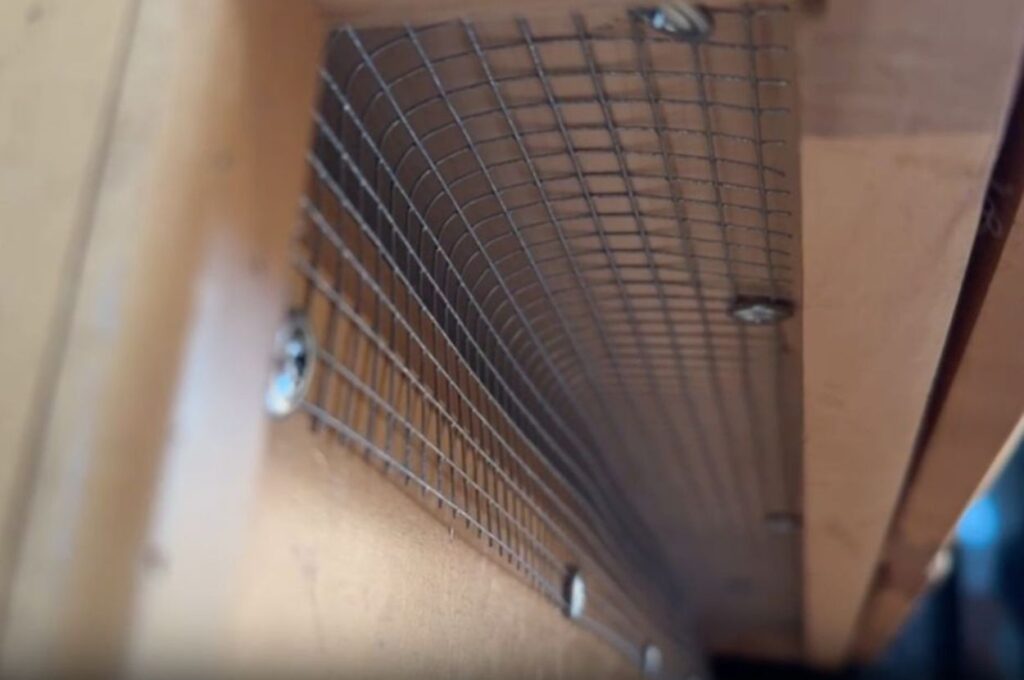
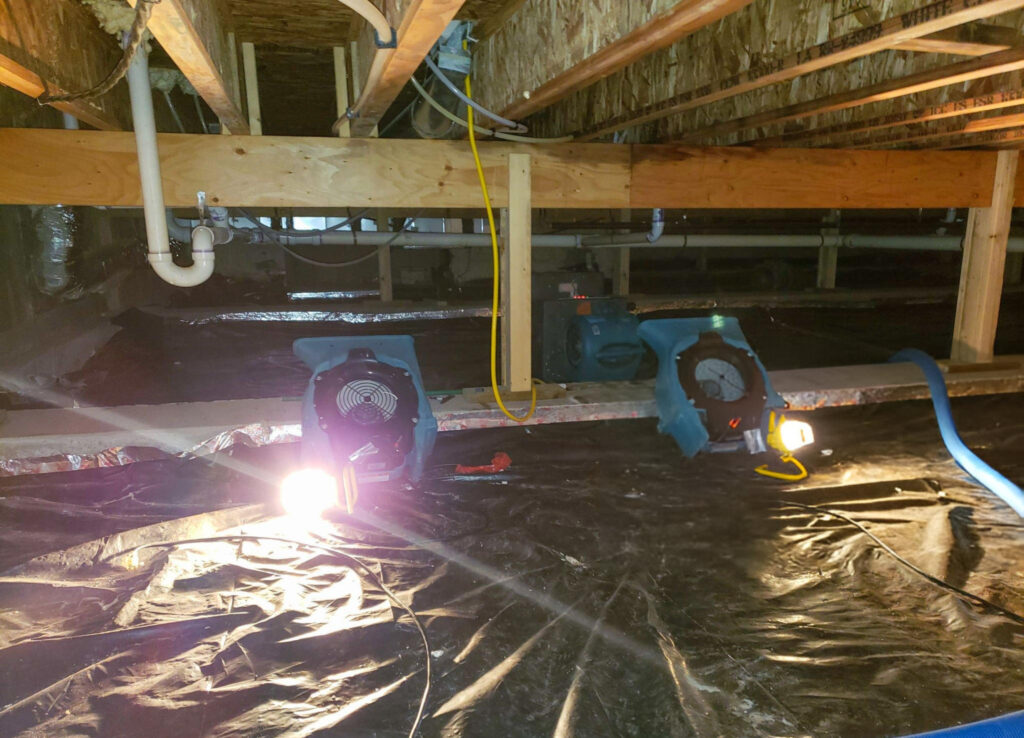
A good rat control plan starts with a full inspection. We check the interior, exterior, attic, crawlspace, garage, roofline, vents, utility penetrations, eaves, soffits, roof returns, garage door gaps, and other likely entry areas.
During the inspection, we look for:
- Droppings
- Rub marks
- Gnawing
- Nesting material
- Runways
- Damaged screens
- Displaced vent covers
- Open gaps
- Other signs of rodent movement
The goal is to determine where rats are active, how they are getting in, and which repairs should be prioritized.
Pasadena’s older homes often require a more detailed inspection than newer construction. Vented crawlspaces, aging rooflines, mature landscaping, roof-touching branches, and older framing transitions can create access points that are easy to miss from the ground.
In foothill neighborhoods, roof rats commonly use trees, palms, vines, fences, utility lines, and roof edges as travel routes. Branches near or touching the roofline should usually be trimmed back to reduce easy access to the structure. In many cases, improving the landscaping around the home is an important part of long-term rat control.
Same-Day Callbacks
On-Time Service
Pest-free guarantee
No Required Contracts
Detailed Service Reports
Pet- and Family-Safe
Trapping in Pasadena Homes
Once active areas are identified, traps are placed where rats are most likely to travel. Depending on the home, this may include the attic, crawlspace, garage, storage areas, or other protected travel paths.
We generally prefer trapping over interior rodenticide use because trapping allows activity to be monitored, adjusted, and confirmed. It also reduces the risk of rodents dying inside walls, ceilings, or inaccessible voids.
The trapping phase can vary depending on the severity of the infestation, the structure, and how quickly activity responds. Traps may need to be checked, reset, relocated, or rebaited as patterns become clearer. The purpose is not just to catch rats, but to understand where activity remains before sealing begins.
Sealing Rat Entry Points
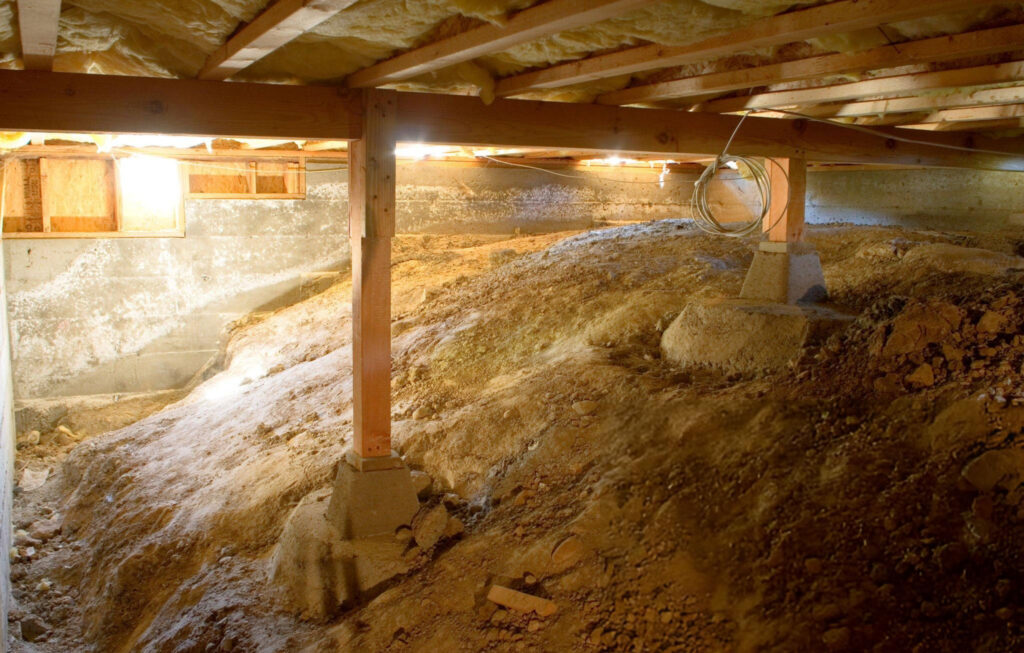
Trapping alone does not solve a structural rat problem. If rats entered through gaps, vents, roof transitions, crawlspace openings, garage doors, or utility penetrations, those openings need to be corrected.
Common exclusion work may include:
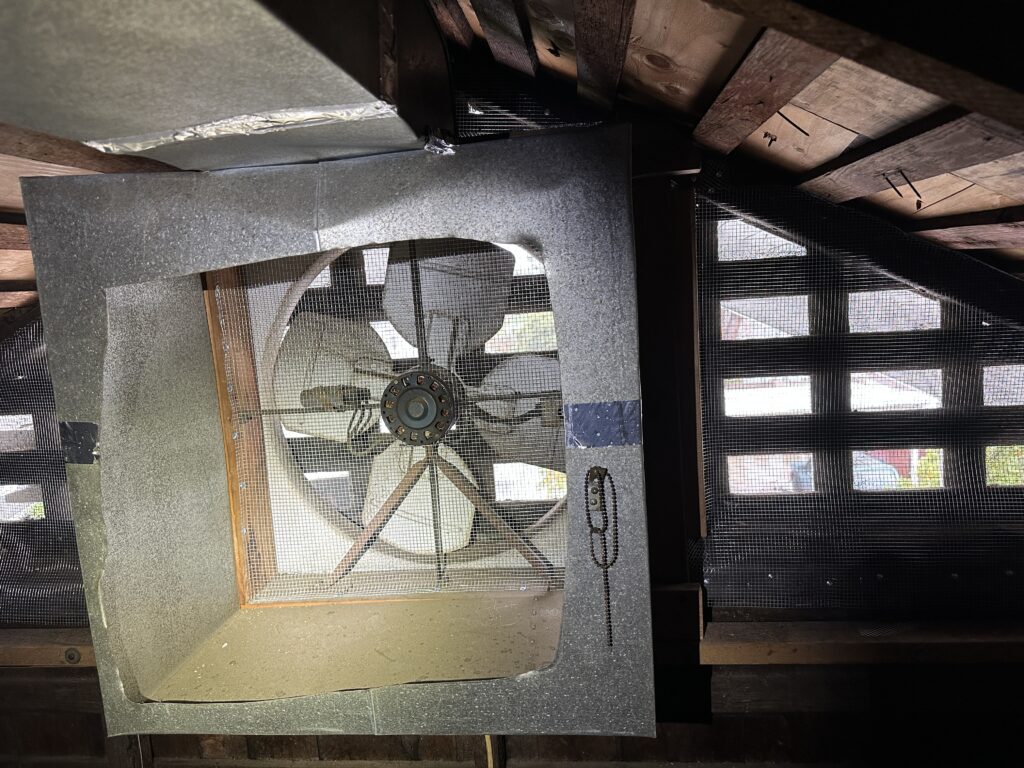
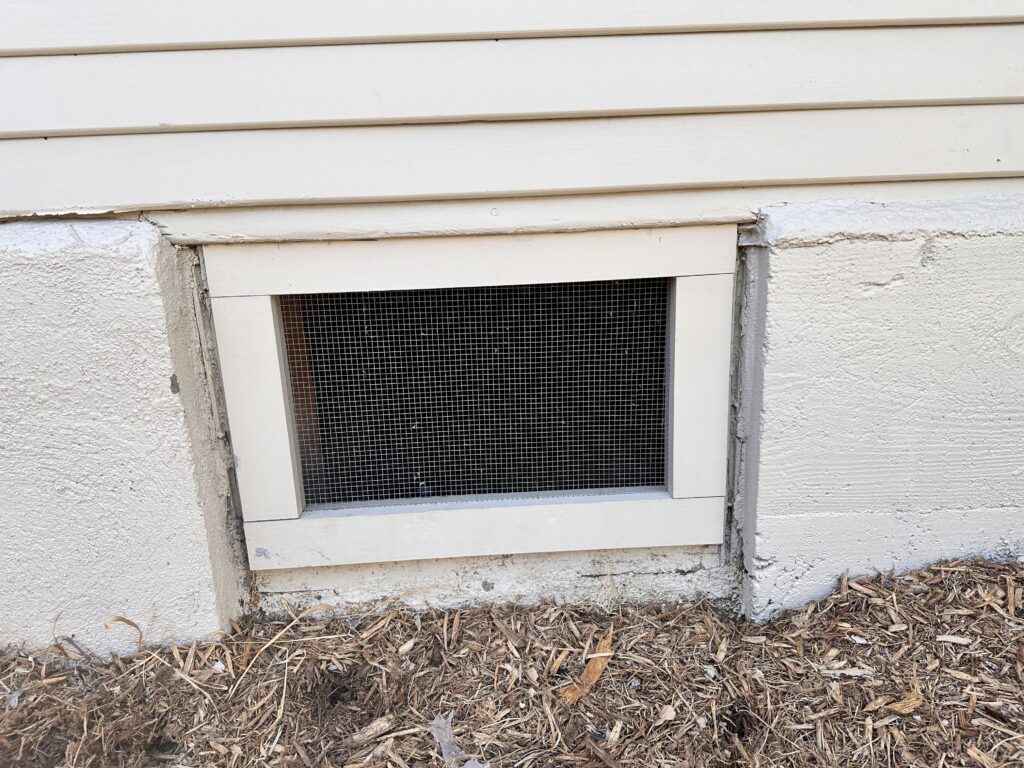
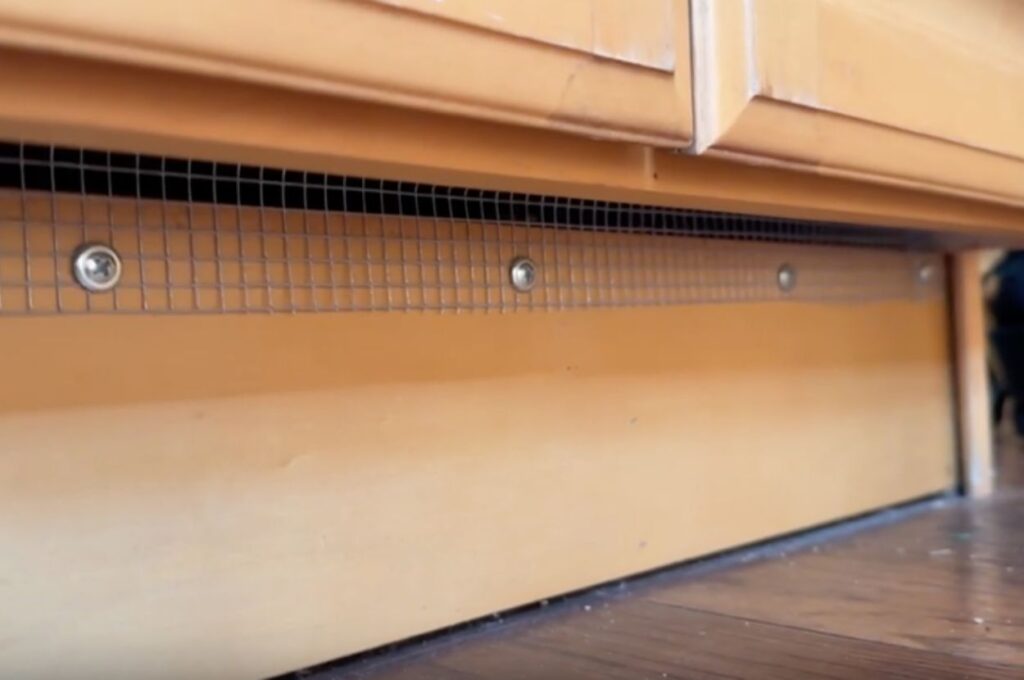
- Screening vents
- Sealing roof and eave gaps
- Closing pipe penetrations
- Reinforcing vulnerable openings
- Repairing damaged screens
- Addressing garage door gaps
- Securing other access points with appropriate materials
Rats can chew through weak materials, so exclusion must be done carefully. Depending on the opening, materials may include galvanized hardware cloth, sheet metal, sealants, fasteners, and other durable materials suited to the location.
We do not use copper mesh, foam, softer metals, or wool as primary rodent exclusion materials. Foam, softer metals, and wool are not reliable long-term rodent exclusion materials in many situations.
Older Pasadena homes can need extra attention. Settling, remodeling, older vent systems, lath-and-plaster construction, crawlspace framing gaps, and aged roof assemblies can create small but important access points. A proper exclusion plan should address both active entry points and vulnerable areas that could become entry points later.
Signs of Rats in Pasadena
Common signs of rat activity include:
- Scratching, running, or chewing sounds in the attic or walls, especially at night
- Droppings in garages, cabinets, storage areas, attics, or crawlspaces
- Gnaw marks on wood, plastic, wiring, food packaging, or stored items
- Greasy rub marks along walls, beams, pipes, or travel routes
- Shredded insulation or nesting material
- Pet food, bird seed, fruit, or stored food being disturbed
- Odors from urine, droppings, nesting, or dead rodents
Seeing a rat during the day can indicate nearby activity, but the severity of the problem should be confirmed by inspection rather than assumed from a single sighting.
Health and Structural Concerns
Rats can contaminate areas with droppings, urine, nesting material, and parasites. They may also damage insulation, food storage areas, wiring, plastic lines, wood, and stored belongings.
The longer activity continues, the more likely damage and contamination become. Early inspection and correction usually helps limit the scope of repairs and reduces the chance that the problem spreads into additional areas of the structure.
Roof Rats vs. Norway Rats
Both roof rats and Norway rats can be found in Southern California, but they tend to behave differently.
Roof rats are strong climbers and are often associated with attics, rooflines, trees, vines, fences, and upper structural entry points. They are commonly involved in Pasadena attic complaints, especially where mature landscaping connects to the home.
Norway rats are larger, more ground-oriented rodents. They are more often associated with burrowing, foundations, garages, sheds, crawlspaces, drainage areas, and ground-level access, but they too will infest attics.
The inspection determines which conditions are present. Droppings, travel routes, entry points, burrows, nesting areas, and damage patterns all help guide the treatment plan.
Even when species behavior differs, the exclusion standard should remain strict. We approach rodent-proofing as if the home’s infesting rodents were as small as mice and as cautious as rats. That helps ensure both obvious openings and future-vulnerable gaps are addressed.
Why Pasadena Homes Get Rat Problems
The first visit is more involved than routine service.
We inspect, treat, and walk you through what we’re seeing—where activity is coming from, what we’re addressing, and what to expect next.
Most customers are present for that first visit.
After that, ongoing service is straightforward. We already know the property, so follow-up visits are faster and focused on maintaining control.
Our Rat Control Process
Our process is designed to move from investigation to correction:
- We inspect the structure and identify likely rodent entry points.
- We place traps in active travel areas and monitor activity.
- We adjust trap placement as needed based on results.
- We seal confirmed and likely entry points using appropriate materials.
- We identify exterior conditions that are contributing to pressure.
- We provide photos and recommendations so you understand what was found and what was corrected.
Rat control works best when trapping, sealing, and exterior pressure reduction are handled together. Skipping exclusion often leads to repeat activity because the original entry points remain available.

Call Pasadena Pest Control
If you hear scratching in the attic, find droppings in the garage, or suspect rats are entering your home, Pasadena Pest Control can help.
Call (626) 737-7173 or request a quote. We’ll inspect the structure, identify likely access points, and build a plan to correct the problem.