
Mite Control in Pasadena, CA

No CC or payment required before service
No contract required for ongoing service
Pest-free guarantee
Detailed Services
What Our Customers Say
Here’s what our customer have to say about our services.
Mite control in Pasadena starts with identifying the source. For the mite problems we treat, the issue is usually connected to birds, rodents, nests, or animal activity in or around the structure.
Bird mites and rodent mites are small, difficult to see, and often become noticeable only after their original host leaves, dies, or is removed. That is why surface treatment alone is not enough. The source has to be found and corrected.
Pasadena Pest Control focuses on bird and rodent mite issues as part of our common household pest control coverage in Pasadena.
Bird and Rodent Mites Only
We treat mite problems connected to bird and rodent activity. These are typically associated with:
- Bird nests under eaves, vents, rooflines, or solar panels
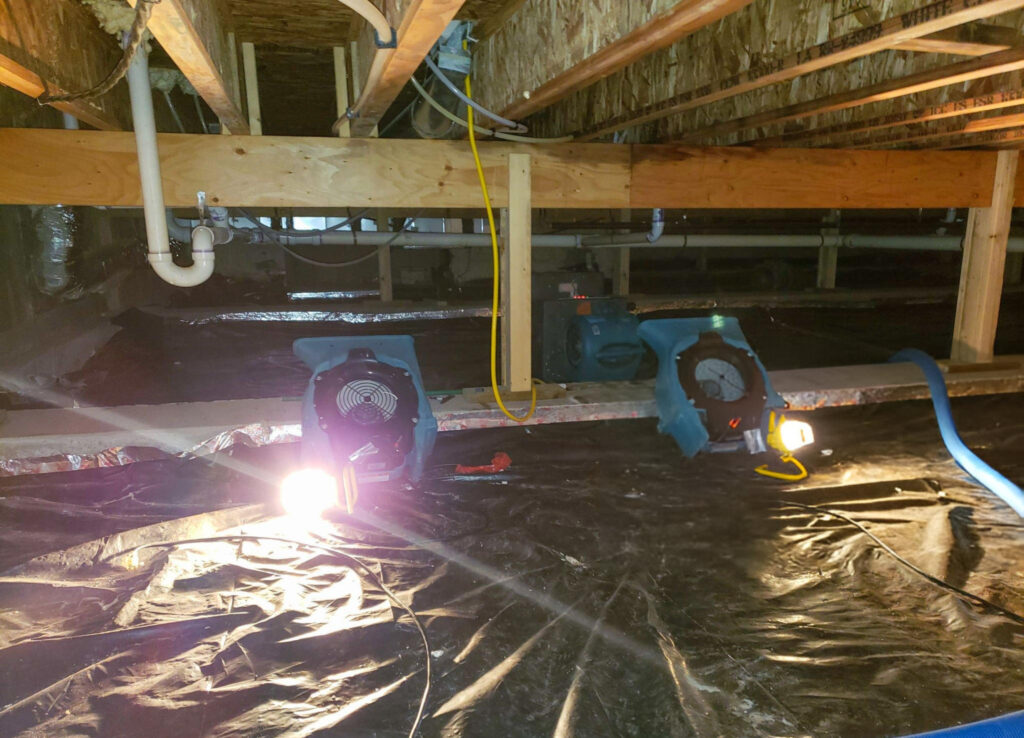
- Rodent activity in attics, crawlspaces, garages, or wall voids
- Dead rodents in inaccessible areas
- Abandoned nests
- Droppings, nesting material, or animal contamination
- Gaps that allow birds or rodents to nest near the structure
We do not treat dust mites. Dust mites are an indoor allergen issue associated with bedding, fabrics, carpets, and upholstered furniture. That is not the type of mite service we provide.
If the concern appears to involve dust mites, allergies, or a medical reaction, the best next step is to speak with a medical professional or an indoor allergen specialist.
On-Time Service
Pest-free guarantee
No Required Contracts
Detailed Service Reports
Pet- and Family-Safe
Why Source Identification Matters
Bird and rodent mites are usually connected to a host animal. When that host is present, the mites feed on birds or rodents. When the host leaves, dies, or is removed, mites may migrate from the nest or animal activity area and show up inside the home.
Common source areas include:
- Eaves
- Soffits
- Attic vents
- Roof returns
- Gable vents
- Crawlspaces
- Wall voids
- Garages
- Utility penetrations
- Areas with prior rodent activity
- Areas with bird nesting activity
The inspection works backward from the complaint area to the likely host source. The goal is to determine whether bird nesting, rodent activity, or a dead animal may be contributing to the mite issue.
Our Pest
Treatment Process
Thorough Inspection
Pest Treatment
Customized Plan
Guaranteed Protection
Bird Mites
Bird mites are often connected to bird nests on or near the structure. They may become noticeable after birds leave a nest or when a nest is disturbed.
Common bird mite source areas include:
- Nests under eaves
- Nests in vents
- Nests near rooflines
- Nests around solar panels
- Nests in attic or wall openings
- Nests in soffit or fascia gaps
- Bird activity around exterior ledges or covered areas
When bird mites are suspected, the treatment plan usually depends on locating and removing the nesting source when accessible, correcting the conditions that allowed the nesting, and treating affected areas where appropriate.
Rodent Mites
Rodent mites are connected to rats, mice, or other rodent activity. They may become noticeable after a rodent dies, a nest is abandoned, or a rodent population is removed without cleanup or exclusion.
Common rodent mite source areas include:
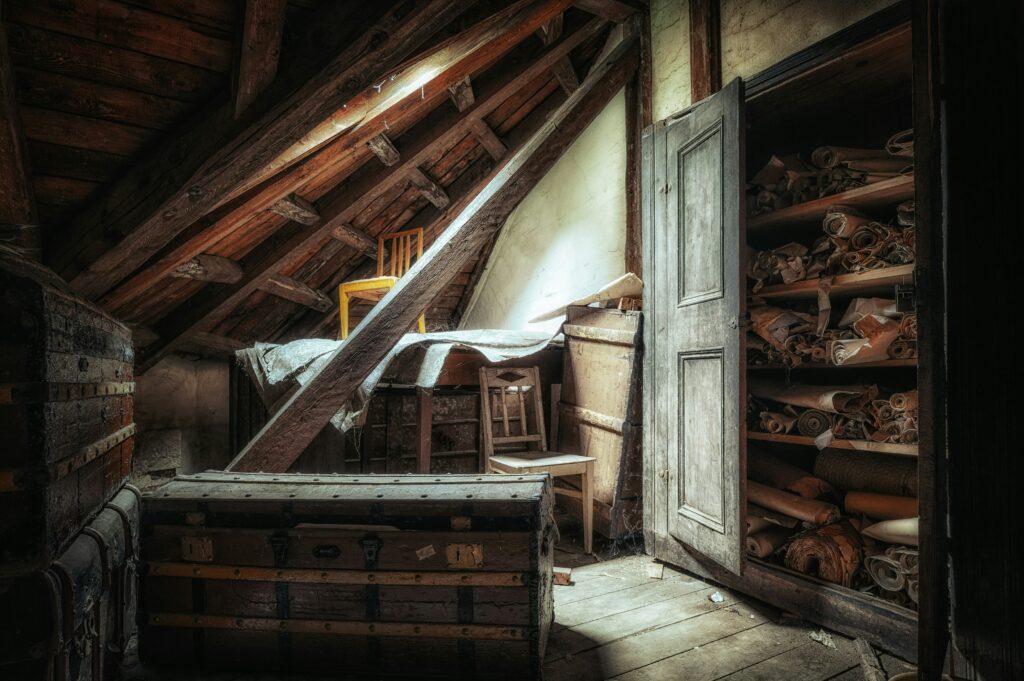
- Attics
- Crawlspaces
- Garages
- Wall voids
- Rodent nesting areas
- Areas with droppings or nesting material
- Areas near rodent entry points
- Spaces where a dead rodent may be present
Rodent mite control may need to be coordinated with rodent trapping, exclusion, cleanup, or dead-animal removal if those conditions are present.
Signs of Bird or Rodent Mite Activity
Bird and rodent mites can be difficult to identify without context. They are very small, and many skin irritation complaints are not caused by mites at all.
Possible signs that should be inspected include:
- Tiny moving specks near windows, walls, beds, or baseboards
- Activity that appears near a wall, ceiling, vent, or window below a nesting area
- Itching or irritation that began after bird or rodent activity
- Recent bird nesting near the home
- Recent rodent activity or dead-rodent odor
- Mite activity after rodent trapping or exclusion work
- Activity near attic, crawlspace, or wall void access points
Because many conditions can cause itching or irritation, we do not diagnose bites or medical symptoms. Our role is to inspect for pest-related evidence and identify whether bird or rodent activity appears to be the source.
Where We Inspect
Mite inspections focus on finding the host source and the path mites may be using to move into living areas.
Depending on the property, we may inspect:
- Eaves and soffits
- Roofline areas
- Attic vents
- Gable vents
- Solar panel edges
- Garages
- Attics, where accessible
- Crawlspaces, where accessible
- Wall and ceiling areas near the complaint
- Window frames and sills
- Baseboards near suspected activity
- Utility penetrations
- Areas with rodent droppings or nesting material
- Areas with bird nesting or bird droppings
The inspection helps determine whether treatment alone is appropriate or whether nest removal, rodent work, exclusion, or cleanup is needed first.
How We Treat Bird and Rodent Mites
Bird and rodent mite control usually requires a source-first approach.
A typical service may include:
- Inspecting for bird or rodent activity
- Identifying likely nesting or host areas
- Removing accessible nests or host material when appropriate
- Addressing dead-animal or rodent-source issues when present
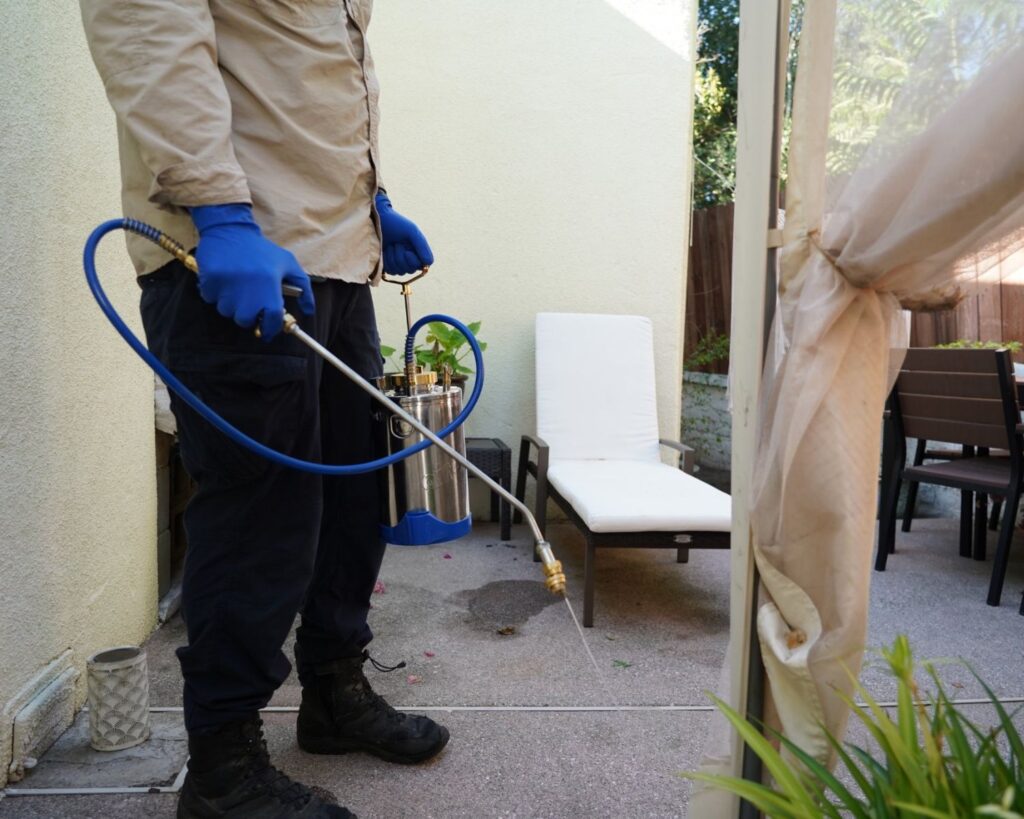
- Treating affected surfaces, cracks, or void-adjacent areas where appropriate
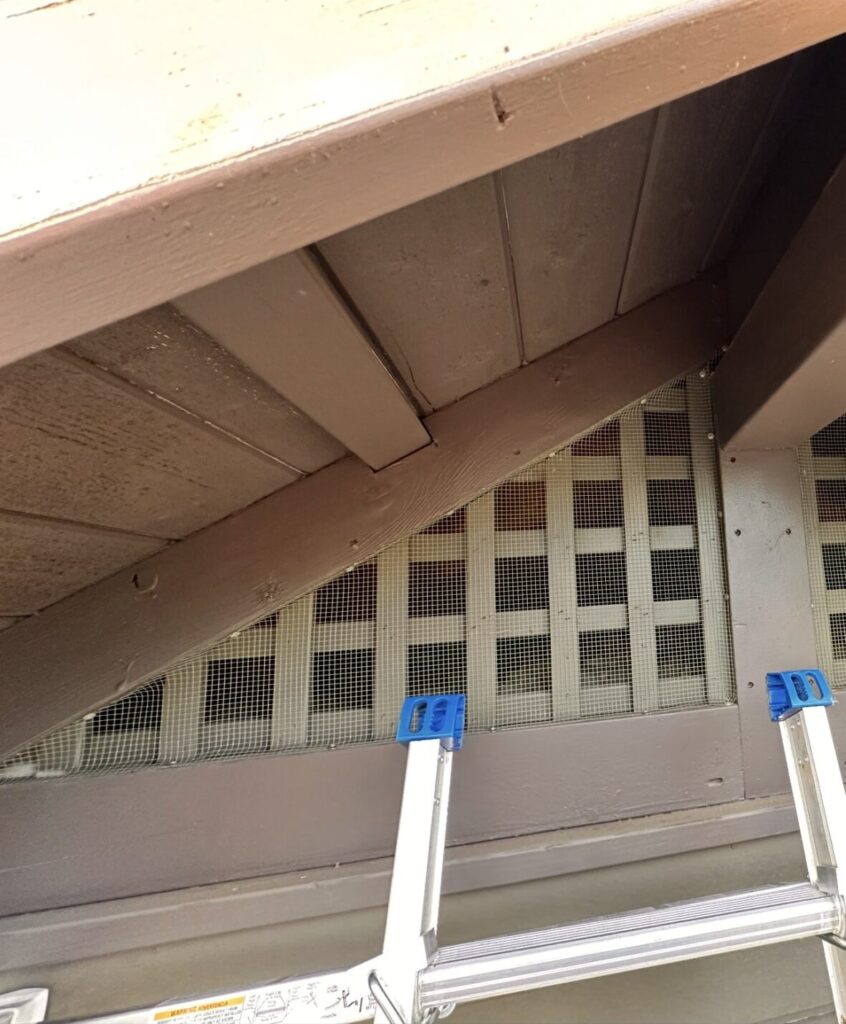
- Recommending exclusion to prevent birds or rodents from returning
- Coordinating with rodent control, exclusion, or cleanup when needed
Surface treatment may reduce active mites, but if the nest, dead animal, or rodent source remains, activity may continue or return.
Why Pasadena Homes Get Bird and Rodent Mites
Pasadena homes can provide many nesting and harborage opportunities for birds and rodents. Older homes, vented attics, open eaves, crawlspaces, roof gaps, mature trees, ivy, and dense landscaping can all bring animal activity close to the structure.
Common contributing conditions include:
- Bird nesting under eaves or solar panels
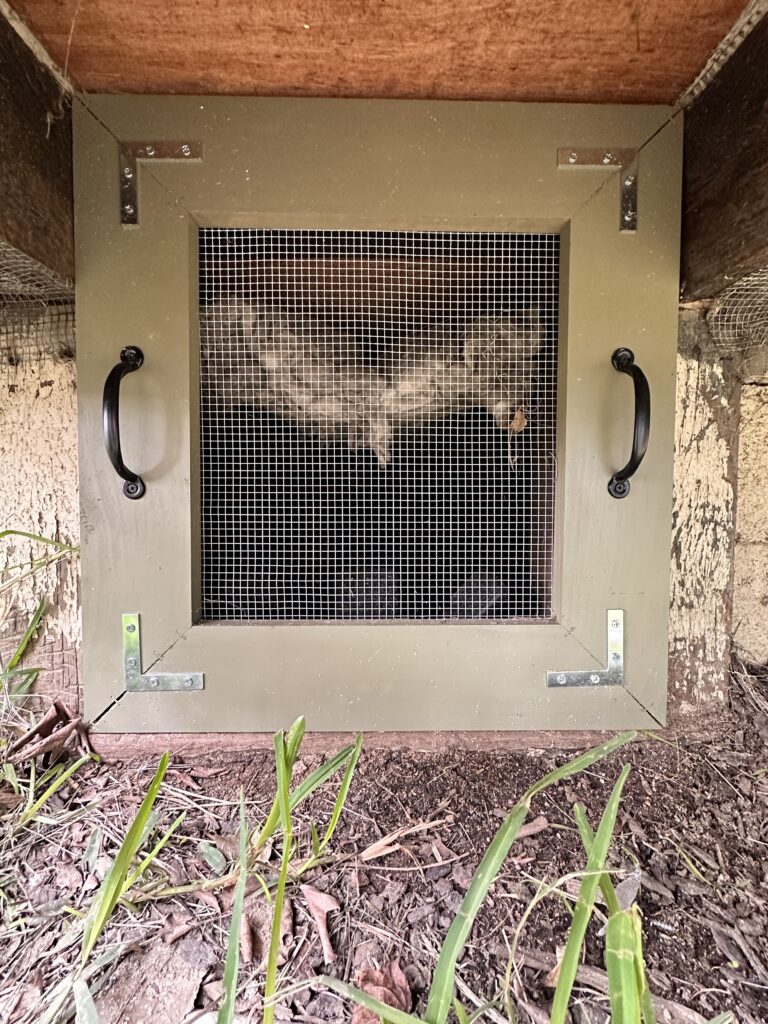
- Open attic or gable vents
- Roofline gaps
- Rodent activity in attics or crawlspaces
- Mature trees near the home
- Dense landscaping
- Utility penetrations
- Damaged screens or vent covers
- Gaps around soffits, fascia, or roof returns
- Prior rodent problems that were not fully cleaned up
When the animal source is close to living areas, mites may be more likely to appear indoors after the host leaves or dies.
When Mite Problems Come Back
If bird or rodent mites return after treatment, the source may still be present or a new source may have developed. A second nest, a hidden rodent nesting area, a dead animal, or an unsealed entry point can keep the cycle going.
In those cases, the next step is usually re-inspection of likely source areas, such as:
- Eaves
- Soffits
- Attic vents
- Roofline gaps
- Garages
- Crawlspaces
- Attics
- Wall or ceiling areas near the complaint
- Rodent entry points
- Areas with bird activity
Long-term control depends on removing or correcting the source and preventing birds or rodents from returning to the same area.
Coordination With Rodent Control and Exclusion
Mite control may need to be coordinated with rodent control or bird exclusion when the source is active.
For rodent mites, that may mean:
- Rodent trapping
- Rodent exclusion
- Dead-animal removal when accessible
- Cleanup of nesting material or contaminated areas
- Sealing entry points
For bird mites, that may mean:
- Removing accessible nesting material when appropriate
- Correcting open vents or gaps
- Excluding birds from nesting areas
- Treating affected areas after the source is addressed
Treating the mites without addressing the bird or rodent source may only provide temporary relief.

Guarantee and Service Expectations
Bird and rodent mite activity can return when the host source remains, when a hidden nest is missed, when a dead animal is inaccessible, or when birds or rodents re-enter the structure. If mites return after service, the next step depends on the source, the treatment performed, the service plan, and whether exclusion or cleanup is needed.
We explain what is covered before treatment begins so expectations are clear.
Schedule Mite Control in Pasadena
If you are seeing tiny moving specks, suspect bird mites or rodent mites, or recently had bird or rodent activity around your home, Pasadena Pest Control can help.
Call (626) 737-7173 or request a quote online. We’ll inspect for bird or rodent sources, explain what we find, and recommend a treatment plan based on the conditions at your property.