
Earwig Control in Pasadena, CA

No CC or payment required before service
No contract required for ongoing service
Pest-free guarantee
Detailed Services
What Our Customers Say
Here’s what our customer have to say about our services.
Earwig control in Pasadena focuses on reducing the outdoor conditions that allow earwigs to build up around the home. Earwigs are usually outdoor pests, but they can become a nuisance when they move into bathrooms, kitchens, garages, entryways, or other indoor areas.
They are often found under planters, mulch, leaf litter, damp soil, woodpiles, garage items, and other protected areas with moisture. When they show up indoors, the source is usually outside.
Earwig control is part of our common household pest control coverage in Pasadena.
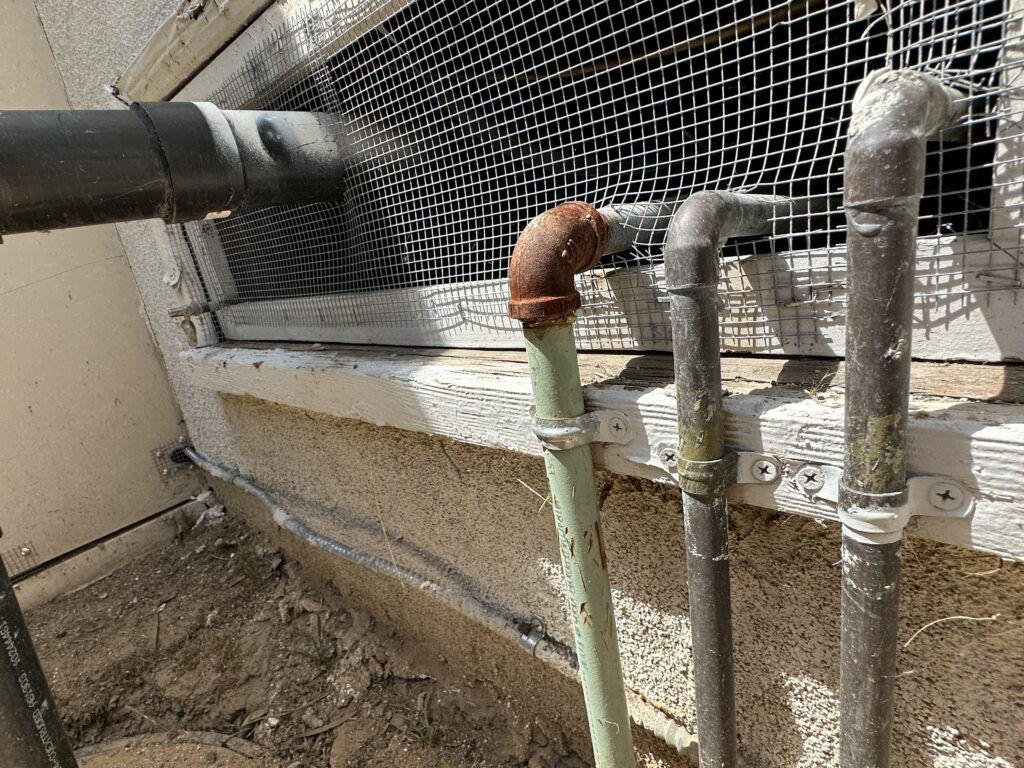
Earwig Control Starts at the Perimeter
Most earwig problems start outside. During inspection, we look for the damp, protected areas where earwigs hide and forage.
Common earwig harborage areas include:
- Mulch beds
- Leaf litter
- Dense groundcover
- Flower pots
- Planters sitting on damp soil
- Woodpiles
- Decorative rocks or gravel over wet soil
- Fence lines
- Irrigation valve boxes
- Storage against the structure
- Garage edges
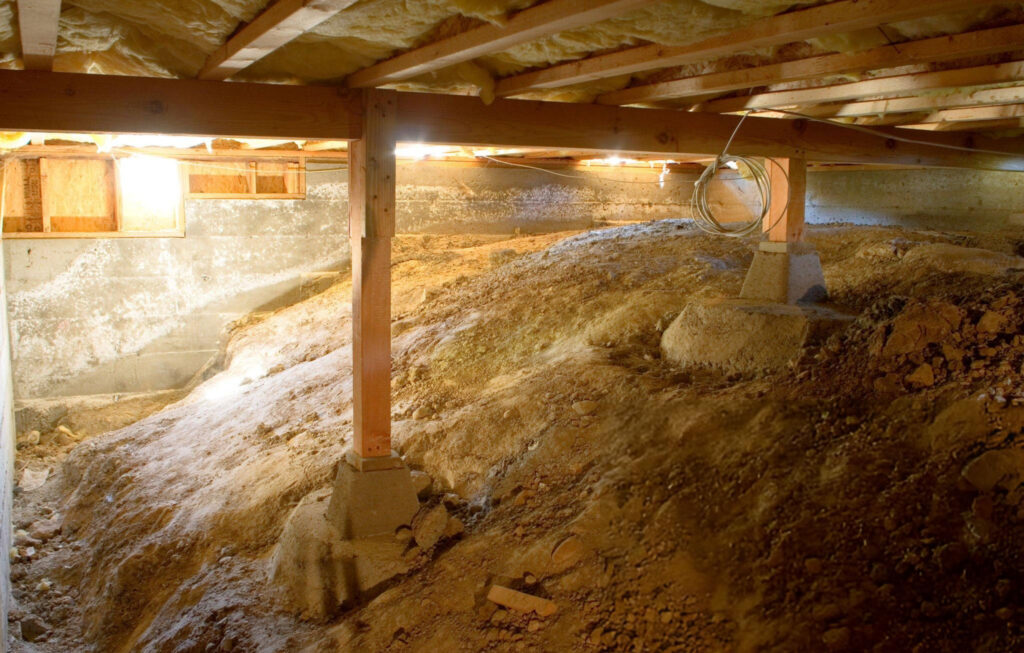
- Crawlspace or foundation edges
- Damp shaded areas near the home
Because earwigs usually live outdoors, treatment often focuses on the exterior perimeter and nearby harborage areas. Indoor treatment may be needed when activity is heavy inside, but the main source is usually outside.
Our Pest
Treatment Process
Thorough Inspection
Pest Treatment
Customized Plan
Guaranteed Protection
On-Time Service
Pest-free guarantee
No Required Contracts
Detailed Service Reports
Pet- and Family-Safe
Why Earwigs Come Inside
Earwigs may move indoors when outdoor conditions become unfavorable or when populations build up close to the structure. They may enter during hot, dry periods, after irrigation changes, during damp conditions, or when mulch and landscaping hold moisture against the home.
Pasadena properties with dense landscaping, heavy shade, thick mulch, irrigation near the foundation, or leaf buildup may see more earwig activity. Foothill homes and older properties with mature landscaping can be especially prone to moisture-holding conditions around the perimeter.
Earwigs do not usually establish long-term indoor infestations the way some other pests do. When they are found indoors, the better question is often: where are they building up outside, and how are they getting in?
Are Earwig Pinchers Dangerous?
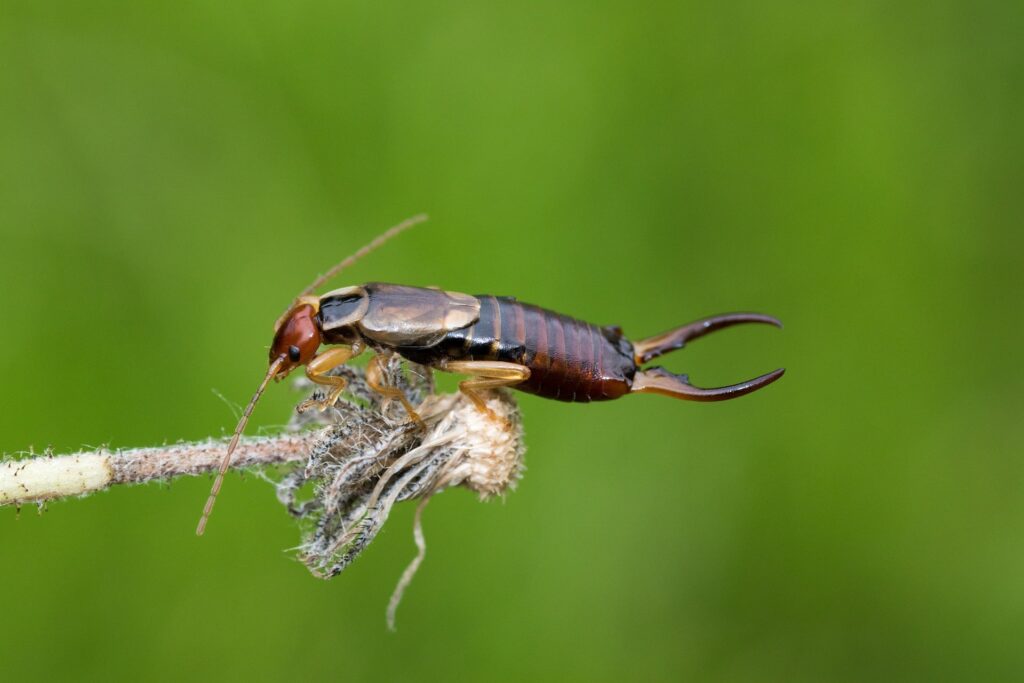
Earwigs have pincers on the rear of their bodies, which makes them look more intimidating than they usually are. They do not have venom, and they are not considered a major biting pest.
A person handling an earwig directly could feel a pinch, but most indoor sightings are nuisance encounters rather than a health concern. The bigger issue is usually the number of earwigs appearing inside and the outdoor moisture conditions supporting them.
Recognizing Earwigs
Earwigs are narrow, dark brown to reddish-brown insects with noticeable pincers at the back of the body. They are usually active at night and hide during the day in dark, damp areas.
Common places to find earwigs include:
- Bathrooms
- Kitchens
- Entryways
- Garages
- Under doormats
- Around door thresholds
- Under items stored on garage floors
- Around planters
- Under flowerpots
- In mulch beds
- Under leaf litter
- Around damp fence lines
Repeated indoor sightings usually point to exterior activity close to the home.

Where Earwigs Hide on Your Property
Earwigs prefer moisture and shelter. Around Pasadena homes, they are often found where landscaping or storage creates cool, damp hiding places.
Common hiding areas include:
- Mulch against the foundation
- Leaf litter in planting beds
- Dense groundcover
- Decorative gravel over damp soil
- Woodpiles
- Irrigation boxes
- Planters and pots
- Fence gaps near soil
- Shaded foundation edges
- Items stored against exterior walls
- Garage clutter
- Damp crawlspace or foundation areas
They may enter through gaps under doors, garage thresholds, plumbing penetrations, exterior cracks, damaged weatherstripping, or unscreened openings.

How We Treat Earwigs
Earwig treatment focuses on the areas where they live and where they are entering.
Depending on the property, treatment may include:
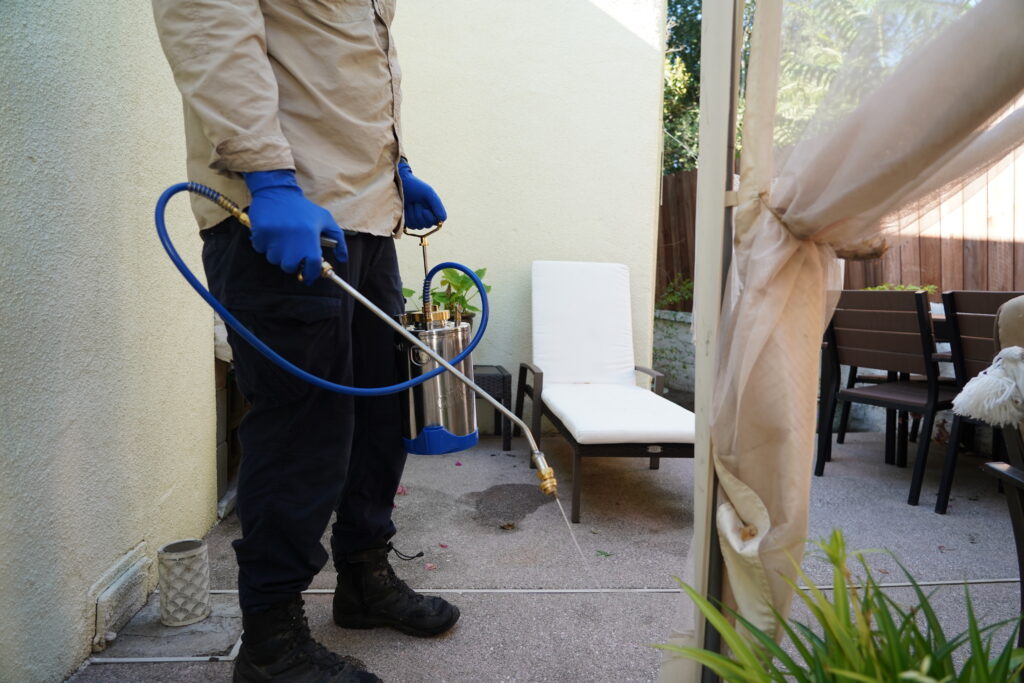
- Exterior perimeter treatment
- Treatment around foundation edges
- Treatment near mulch, groundcover, or landscaped harborage
- Granular treatment where appropriate
- Crack-and-crevice treatment near entry points
- Garage or interior treatment when needed
- Recommendations for moisture and harborage reduction
The treatment plan depends on the level of activity, where earwigs are found, and how much exterior harborage is present.
Because Pasadena’s climate allows outdoor pests to remain active through much of the year, earwig activity may not be limited to one short season. Activity can increase when irrigation, moisture, shade, and landscaping create favorable conditions near the structure.
Reducing Earwig Harborage
Long-term earwig control works best when treatment is paired with changes to the conditions supporting them.
Helpful steps include:
- Pull mulch back from the foundation
- Clear leaf litter from planting beds
- Keep woodpiles away from the structure
- Reduce dense groundcover near the home
- Adjust irrigation so soil is not constantly wet against the foundation
- Avoid overwatering shaded areas
- Store items off garage floors when possible
- Move planters away from doorways and thresholds
- Improve drainage around the structure
- Replace damaged door sweeps
- Seal obvious gaps around plumbing or utility penetrations
- Repair damaged weatherstripping
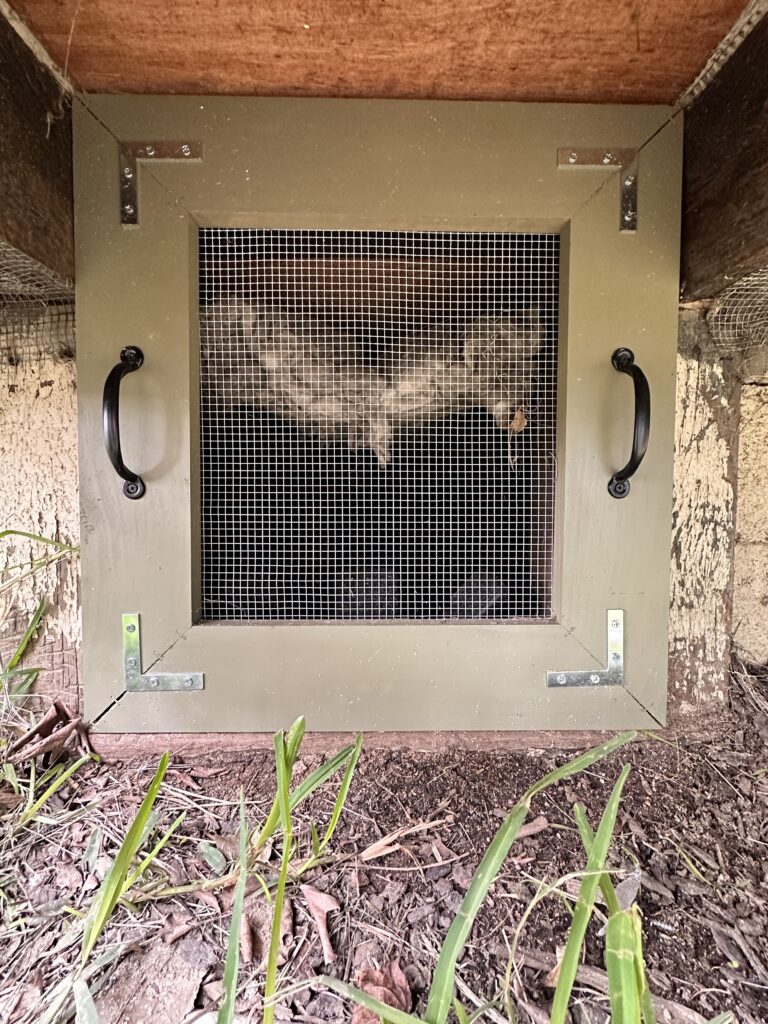
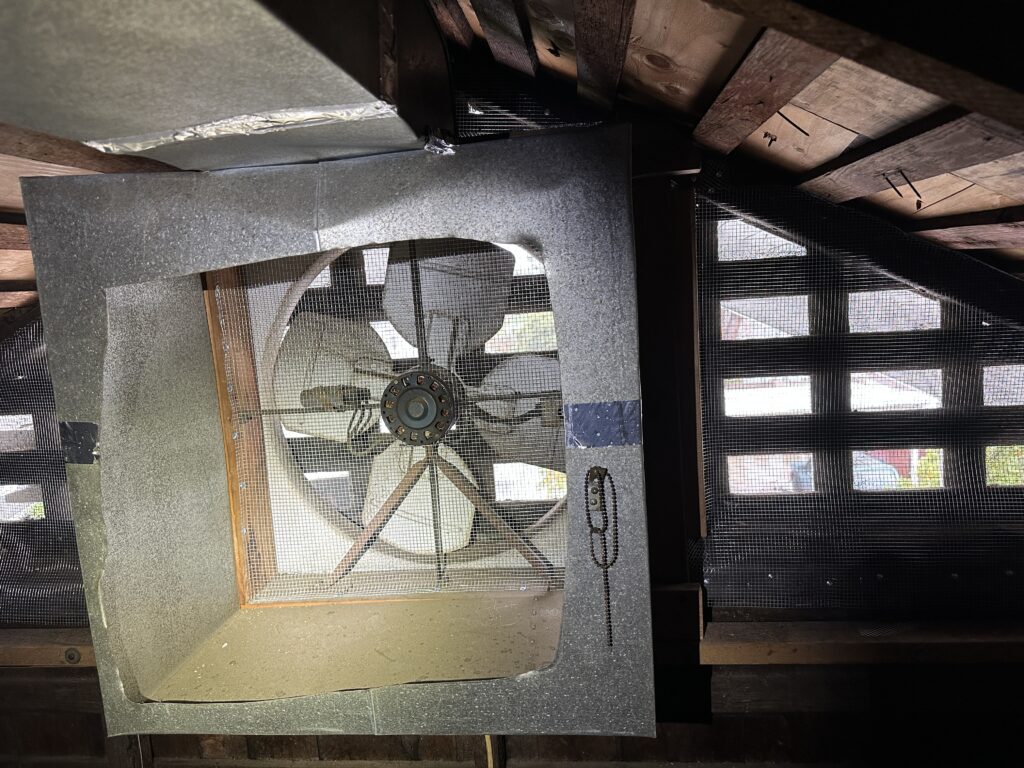
- Screen or correct openings where appropriate
Moisture reduction is especially important. If mulch, leaf litter, irrigation, or shade keeps the soil constantly damp near the structure, earwigs are more likely to remain active.
Earwigs and Other Outdoor Moisture Pests
Properties with earwig pressure may also have other pests that like similar conditions. These can include crickets, pillbugs, sowbugs, centipedes, millipedes, and silverfish.
These pests are not the same, but they often show up around the same moisture, mulch, leaf litter, clutter, and foundation conditions. During inspection, we look at the full picture so the treatment plan addresses the conditions supporting the activity, not just the insect found indoors.
One-Time Earwig Treatment vs. Ongoing Protection
Some earwig problems can be reduced with a focused treatment and basic harborage cleanup. Other properties may need ongoing perimeter service when the home has heavy landscaping, persistent moisture, irrigation, dense shade, or recurring outdoor pest pressure.
Recurring earwig activity is more likely when a property has:
- Thick mulch near the home
- Heavy leaf litter
- Dense groundcover
- Frequent irrigation
- Damp shaded soil
- Woodpiles or storage near the structure
- Older door seals or garage thresholds
- Mature landscaping
- Foothill or hillside conditions
For homes with recurring pressure, ongoing service can help monitor activity and keep exterior pest pressure lower over time.
Our Earwig Control Process
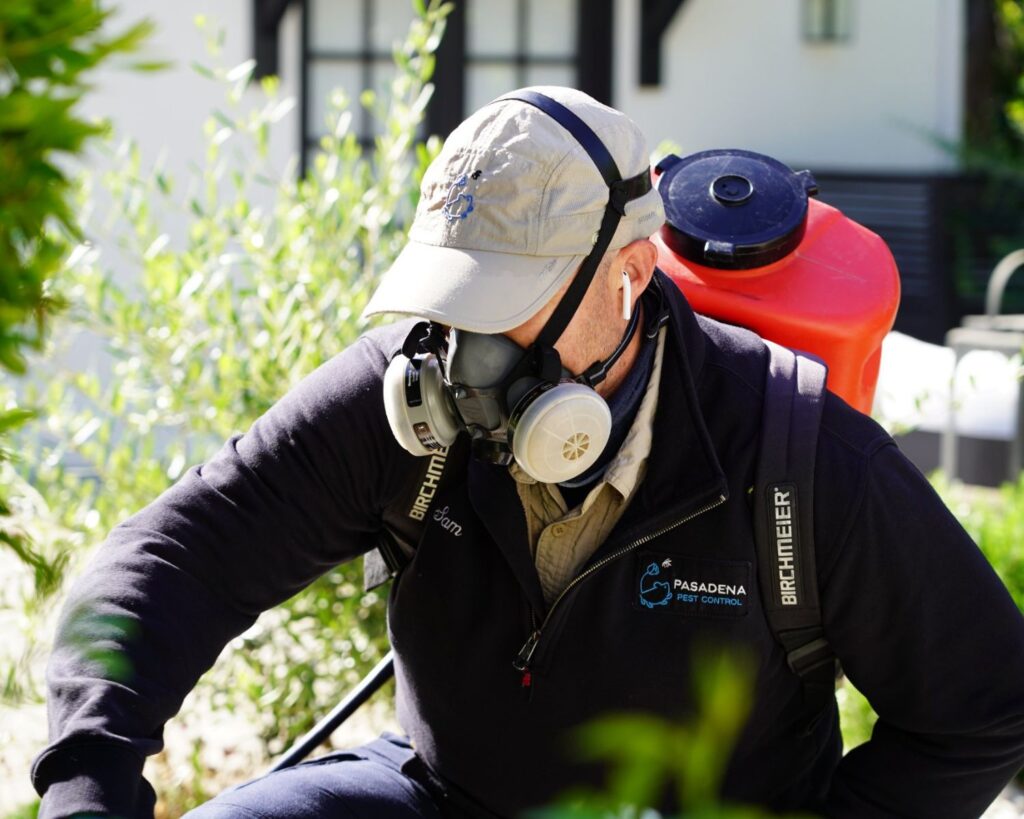
Our earwig control process focuses on the exterior source and the conditions allowing earwigs to move indoors.
- We inspect the perimeter and nearby harborage areas.
- We identify moisture, mulch, storage, and landscaping conditions contributing to activity.
- We look for likely entry points.
- We treat exterior activity zones where appropriate.
- We treat interior areas only when needed.
- We recommend practical moisture and harborage corrections.
- We explain what to expect after service.
The goal is to reduce the outdoor buildup and limit indoor sightings.

Guarantee and Service Expectations
Earwig activity can return when moisture, mulch, irrigation, storage, or landscaping conditions continue to support them. If earwigs return after service, the next step depends on the treatment performed, the service plan, and the conditions around the property.
We explain what is covered before treatment begins so expectations are clear.
Get Earwig Control in Pasadena
If you are finding earwigs in the bathroom, garage, entryway, or around damp exterior areas, Pasadena Pest Control can help.
Call (626) 737-7173 or request a quote online. We’ll inspect the perimeter, identify harborage areas, and recommend an earwig control plan for your home.