

Mosquito Control in Pasadena, CA

No CC or payment required before service
No contract required for ongoing service
Pest-free guarantee
Detailed Services
What Our Customers Say
Here’s what our customer have to say about our services.
Mosquito control in Pasadena starts with two things: reducing adult mosquitoes where they rest and eliminating the standing water where new mosquitoes develop. Treating only the mosquitoes flying around the yard may help temporarily, but long-term control depends on finding the sources that keep producing them.
Pasadena’s warm climate, irrigation, mature landscaping, shaded patios, containers, drains, plant saucers, and small water-holding items can all support mosquito activity. In recent years, invasive Aedes mosquitoes have made mosquito pressure more noticeable because they can breed in very small amounts of water and bite during the day.
Mosquito control is part of our outdoor and stinging pest control work in Pasadena.
How We Treat Mosquito Problems
Mosquito treatment starts with an inspection of the yard and exterior areas. We look for both adult resting sites and breeding sources.
Common adult mosquito resting areas include:
- Dense shrubs
- Shaded landscaping
- Ivy and groundcover
- Fence lines
- Eaves
- Covered patios
- Garage corners
- Areas around outdoor furniture
- Shaded walls
- Vegetation near sitting areas
Common mosquito breeding sources include:
- Plant saucers
- Bird baths
- Buckets
- Toys
- Tarps
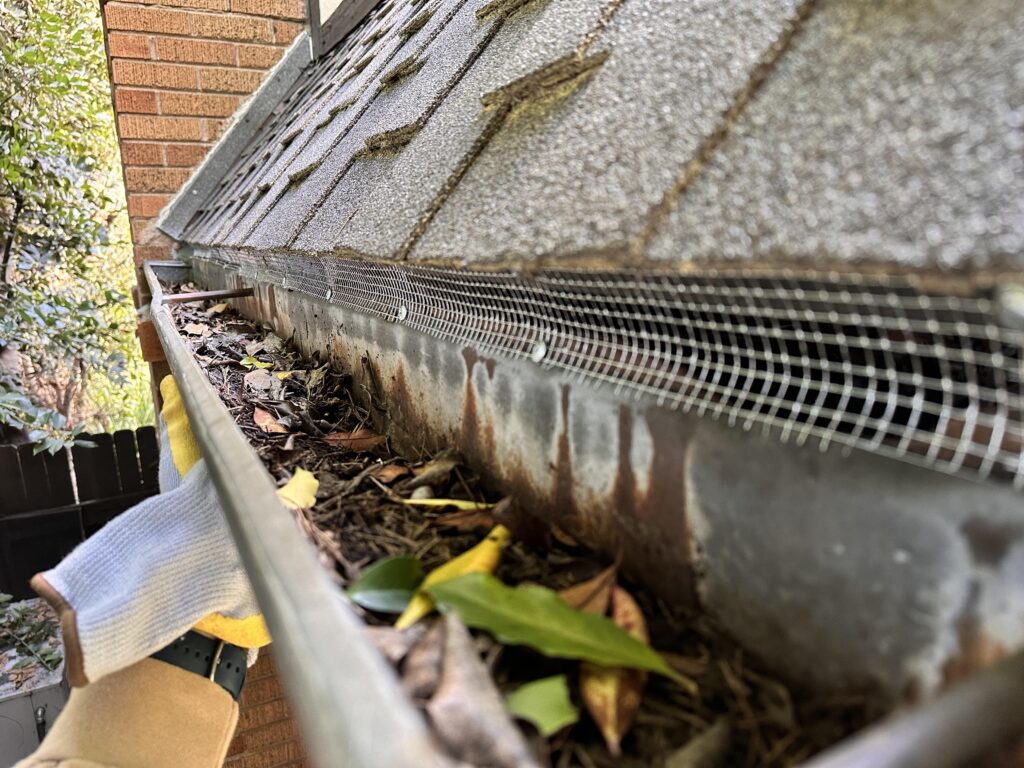
- Clogged gutters
- Yard drains
- Containers
- Water features
- Rain barrels
- Low spots that hold water
- Potted plants with poor drainage
The goal is to understand where mosquitoes are resting, where they may be breeding, and which conditions should be corrected.
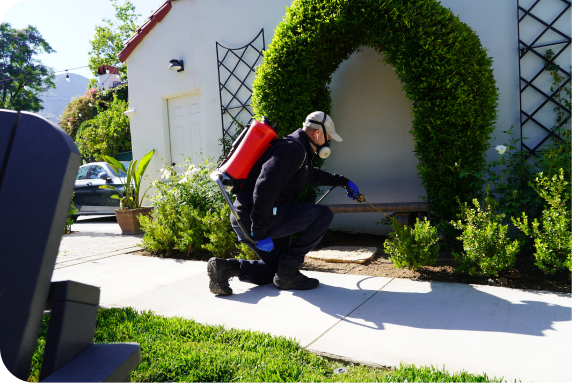
Why Standing Water Matters
Mosquitoes need water to reproduce. Some species can develop in very small amounts of standing water, which means even small containers, plant saucers, clogged drains, or forgotten yard items can become a problem.
Source reduction is one of the most important parts of mosquito control. Treatment can reduce adult mosquitoes, but standing water can keep producing new ones.
Helpful steps include:
- Empty plant saucers regularly
- Refresh bird baths often
- Clear clogged gutters
- Store containers upside down
- Remove unused buckets, toys, and bins
- Check tarps for pooled water
- Improve drainage where water sits
- Maintain fountains and water features
- Avoid overwatering shaded areas
- Check potted plants for trapped water
When a water source cannot be eliminated, a larvicide may be appropriate depending on the site and label directions.
Our Pest
Treatment Process
Thorough Inspection
Pest Treatment
Customized Plan
Guaranteed Protection
On-Time Service
Pest-free guarantee
No Required Contracts
Detailed Service Reports
Pet- and Family-Safe
The Aedes Mosquito Problem in Pasadena
Aedes mosquitoes are a major reason mosquito complaints have changed in Pasadena and throughout Southern California. These mosquitoes are small, aggressive, and often bite during the day, especially around ankles and legs.
Unlike some mosquitoes that are more active at dusk, Aedes mosquitoes can make yards uncomfortable during daytime use. They also breed in small containers and hidden water sources, which means the problem is often coming from conditions on or near the property.
Common Aedes breeding sources include:
- Plant saucers
- Buckets
- Bottle caps
- Toys
- Tarps
- Small containers
- Yard clutter
- Poorly draining pots
- Clogged gutters
- Water trapped in outdoor items
Because Aedes mosquitoes can breed so close to where people live, property-specific inspection and source reduction are especially important.
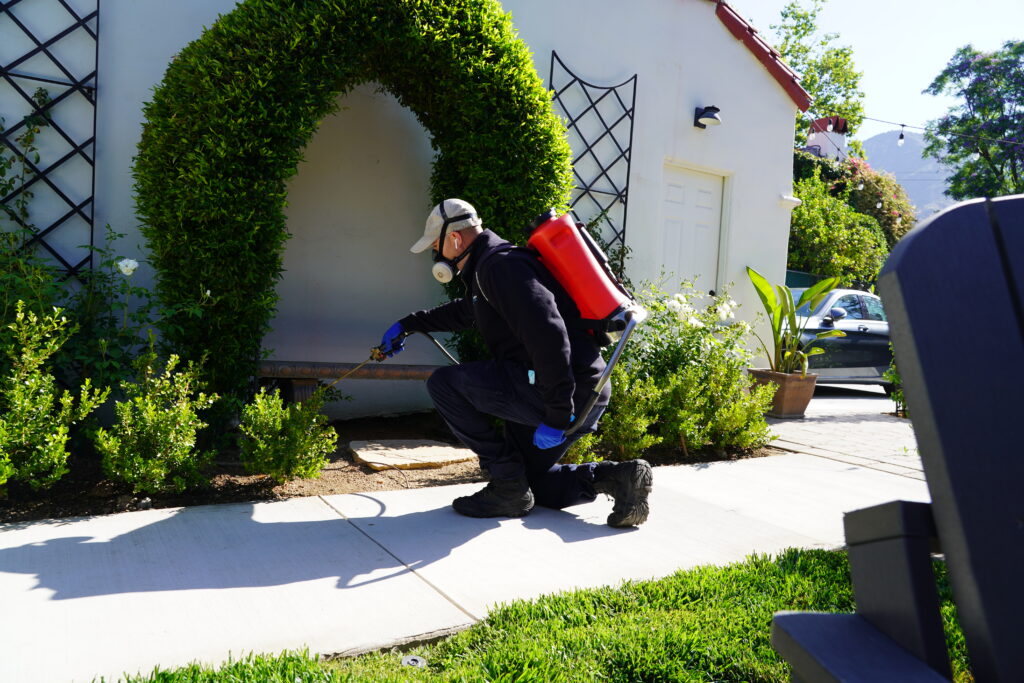

Why Mosquitoes Usually Require Monthly Service
For anything other than a short-term event treatment, mosquito control usually requires monthly service during the active season.
Mosquitoes reproduce quickly, new adults can fly in from nearby properties, and small water sources can appear again after irrigation, rain, or normal yard use. A single visit may reduce activity temporarily, but it cannot stop new mosquitoes from arriving or new breeding sources from forming later.
Monthly service gives the treatment plan enough consistency to:
- Recheck standing water sources
- Refresh or adjust treatment areas
- Monitor shaded resting sites
- Address new containers or drainage issues
- Service mosquito stations when used
- Keep pressure lower during warm months
- Adjust the plan as the yard changes
For a one-time backyard event, a single pre-event treatment may be appropriate. For regular patio use, kids playing outside, outdoor dining, or recurring Aedes mosquito pressure, monthly mosquito service is usually the better fit.
In2Care Mosquito Stations
In2Care mosquito stations can be an important part of long-term mosquito management, especially for Aedes mosquitoes.
Aedes mosquitoes are container breeders. They look for small, protected water sources around homes, patios, and landscaping. In2Care stations are designed around that behavior. The stations attract mosquitoes looking for breeding sites and help target the mosquito life cycle in a way that standard barrier treatment alone does not.
In2Care is not a replacement for source reduction or adult mosquito treatment. It works best as part of a broader mosquito plan that may include:
- Monthly station service
- Source reduction
- Adult resting-site treatment
- Larvicide where appropriate
- Yard inspection
- Customer cooperation between visits
The main advantage of In2Care is that it helps target mosquitoes that are actively seeking breeding sites. This is especially useful in Pasadena yards where Aedes mosquitoes may be using small, hidden water sources that are difficult to find or eliminate completely.
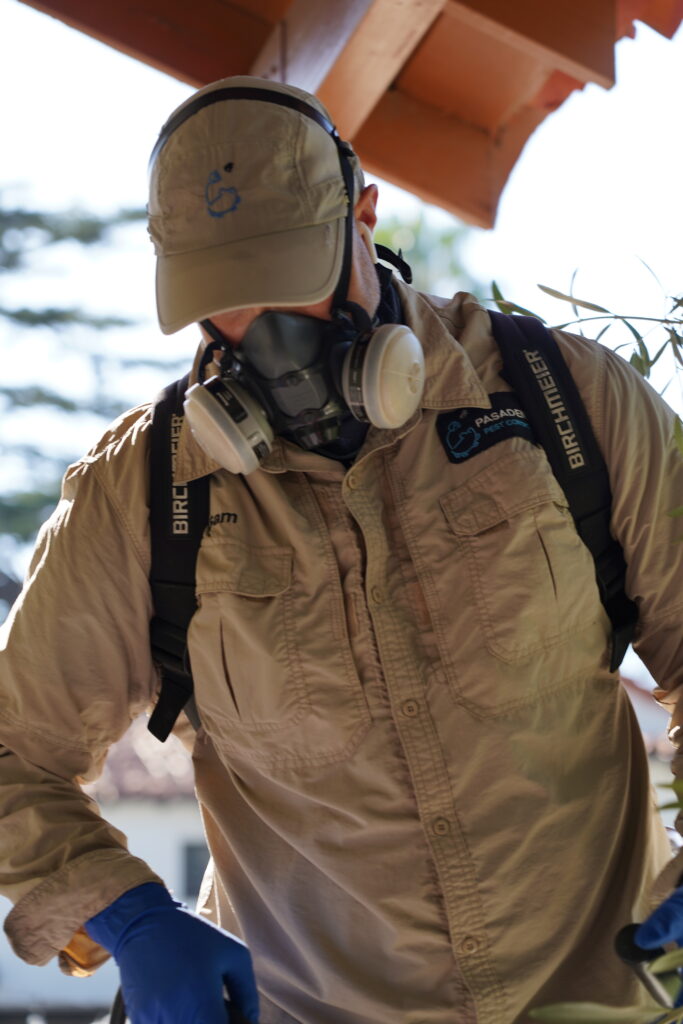
Signs of a Mosquito Problem
The most obvious sign of mosquito activity is being bitten in your own yard. But the pattern of activity can help identify what kind of pressure the property has.
Common signs include:
- Bites around ankles or legs
- Daytime biting activity
- Mosquitoes in shaded yard areas
- Activity around patios or outdoor seating
- Mosquitoes near dense vegetation
- Activity around water features, drains, or containers
- Biting pressure at dusk
- Mosquitoes following people near doors or shaded entry areas
If mosquitoes are consistently making the patio, yard, or outdoor seating areas difficult to use, the property should be inspected for resting and breeding sources.
Our Mosquito Treatment Approach
Mosquito control usually works best when adult treatment, source reduction, and ongoing monitoring are handled together.
Depending on the property, treatment may include:
- Inspection of resting sites
- Inspection of standing water sources
- Treatment of shaded vegetation where mosquitoes rest
- Treatment around exterior harborage areas where appropriate
- Larvicide treatment for water sources that cannot be drained, when appropriate
- In2Care mosquito stations where appropriate
- Recommendations for removing or correcting standing water
- Monthly service during active mosquito season
Adult mosquitoes often rest in shaded vegetation and protected exterior areas during the day. Targeting those resting sites can help reduce activity around patios, yards, and outdoor seating areas.
Stop Mosquito Breeding on Your Property
Mosquito control depends heavily on what happens between service visits. Even a small amount of standing water can restart activity if it is left in place.
A simple weekly check can make a major difference:
- Walk the yard after irrigation or rain
- Empty anything holding water
- Check plant saucers and pots
- Look under patio furniture and outdoor toys
- Clear leaves from drains and gutters
- Check tarps, bins, buckets, and lids
- Refresh bird baths
- Remove fallen debris that traps water
- Keep water features maintained
For long-term control, source reduction is not optional. It is the foundation of mosquito prevention.
Why Mosquito Pressure Has Increased
Mosquito pressure has become more noticeable in many Southern California neighborhoods because invasive Aedes mosquitoes are well adapted to residential yards. They do not need a pond, creek, or large water source to reproduce. Small containers and hidden water pockets can be enough.
That means broad neighborhood mosquito control may not solve the problem in a single yard. If the breeding source is on the property, the property needs its own inspection, source reduction, and treatment plan.
Pasadena properties with mature landscaping, shaded patios, irrigation, containers, drains, and dense vegetation may need monthly mosquito management during warm months.
Mosquito Control for Backyard Events
Mosquito treatment can also be helpful before backyard events during mosquito season. If you are planning a party, graduation, outdoor dinner, wedding, or gathering, pre-event mosquito service may help reduce mosquito activity in the areas guests will use.
Event treatments are different from ongoing mosquito control. A one-time event treatment is meant for short-term reduction around the areas being used. It is not the same as monthly mosquito service designed to manage pressure throughout the season.
Event treatment works best when standing water is addressed before the service and the main seating, dining, and gathering areas are included in the inspection.
One-Time Mosquito Treatment vs. Monthly Service
A one-time mosquito treatment may help for a short-term need, such as a backyard event or sudden spike in activity. But mosquitoes can return when new adults fly in or when standing water continues producing them.
For regular mosquito control, monthly service is usually needed during the active season.
Monthly service may make more sense for properties with:
- Ongoing Aedes mosquito activity
- Dense vegetation
- Heavy shade
- Frequent irrigation
- Water features
- Plant saucers or potted plants
- Containers or yard clutter
- Outdoor entertaining areas
- Foothill or hillside exposure
- Recurring mosquito pressure during warm months
- A need for In2Care mosquito station service
The right plan depends on the property, the amount of mosquito activity, and how the yard is used.


Our Mosquito Control Process
Our mosquito control process is designed to reduce current mosquito activity and limit the sources that allow activity to return.
- We inspect the yard and exterior areas.
- We identify likely resting sites.
- We look for standing water and breeding sources.
- We treat adult resting areas where appropriate.
- We apply larvicide where appropriate and allowed by the label.
- We install or service In2Care mosquito stations where appropriate.
- We recommend source-reduction steps.
- We explain what to expect after service.
- We recommend monthly service when ongoing mosquito pressure is likely.
The best results come from combining treatment, source reduction, In2Care where appropriate, and consistent monthly service during the active season.

Guarantee and Service Expectations
Mosquito activity can return when new mosquitoes fly in, standing water remains, irrigation creates new sources, or nearby properties continue producing mosquitoes. If mosquitoes return after service, the next step depends on the treatment performed, the service plan, the property conditions, and whether source-reduction recommendations have been followed.
We explain what is covered before treatment begins so expectations are clear.
Get Mosquito Control in Pasadena
If mosquitoes are making your patio, yard, or outdoor seating areas difficult to use, Pasadena Pest Control can help.
Call (626) 737-7173 or request a quote online. We’ll inspect the yard, identify likely breeding and resting areas, and recommend a mosquito control plan for your property.