
Centipede and Millipede Control in Pasadena, CA

No CC or payment required before service
No contract required for ongoing service
Pest-free guarantee
Detailed Services
What Our Customers Say
Here’s what our customer have to say about our services.
Centipede and millipede control in Pasadena usually comes down to three things: moisture, outdoor harborage, and entry points. Both pests are commonly associated with damp soil, mulch, leaf litter, crawlspace edges, foundation gaps, and shaded areas around the home.
Centipedes and millipedes are different pests, but they often show up for similar reasons. Pasadena’s mild climate, irrigation, mature landscaping, and older construction details can create the damp outdoor conditions that allow them to build up near the structure.
Our centipede and millipede control service starts with inspection. We look at the perimeter, moisture conditions, vegetation, mulch, entry points, and indoor areas where activity has been seen before recommending treatment.
If you are dealing with other common pests as well, visit our common household pest control in Pasadena page.
The Difference Between Centipedes and Millipedes
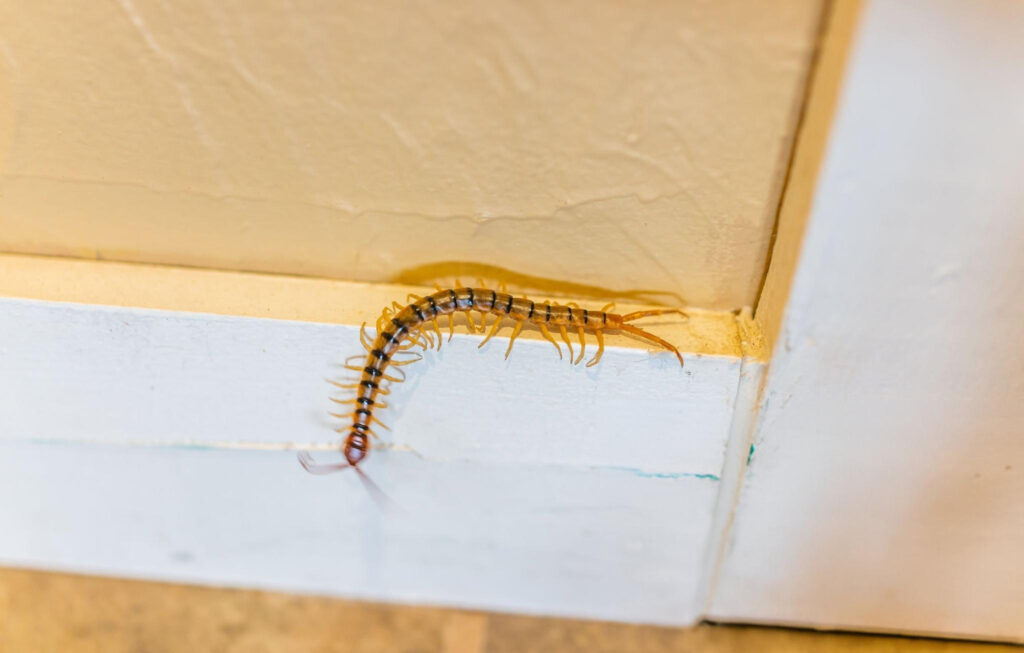
Centipedes and millipedes are often confused, but they behave differently.
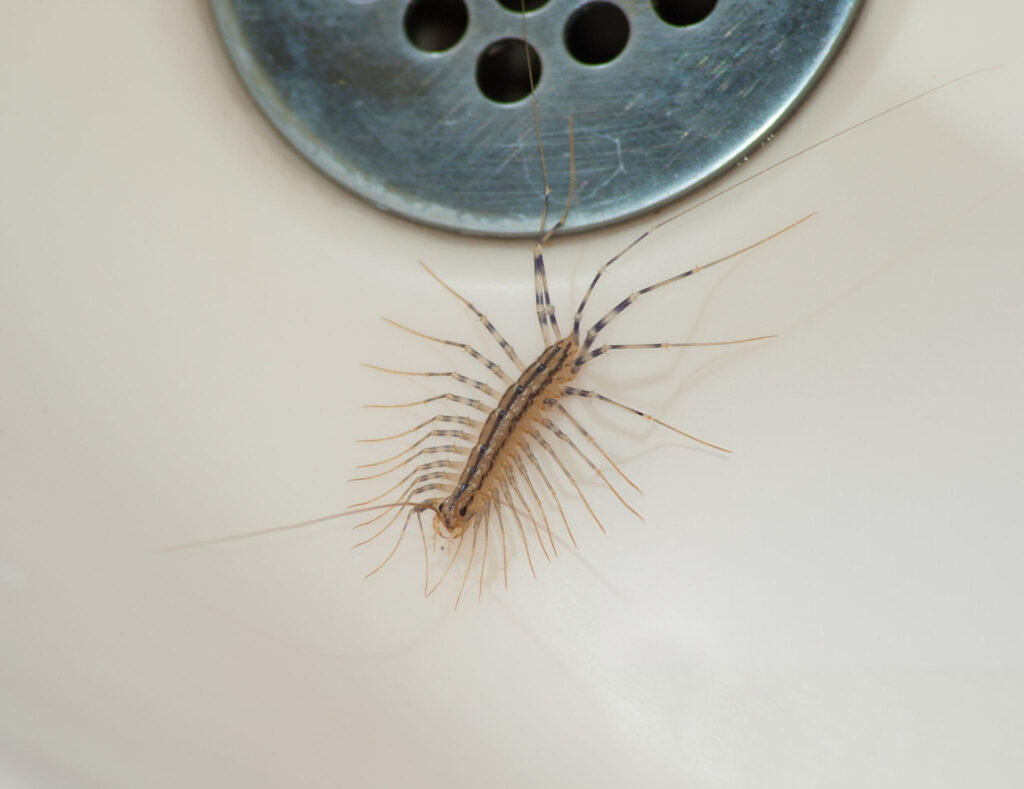
Centipedes have one pair of legs per body segment and move quickly. They are predators that feed on other insects and small arthropods. The smaller house centipedes are often noticed indoors because they move fast and tend to appear one at a time.
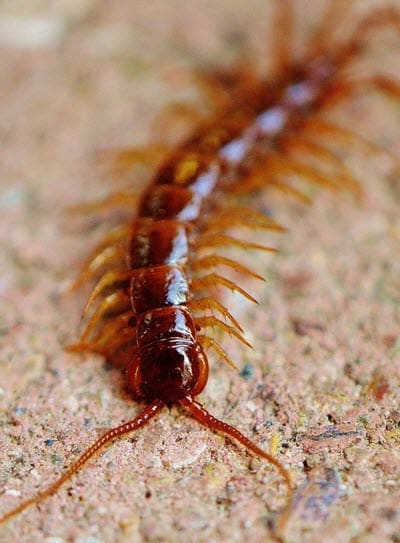
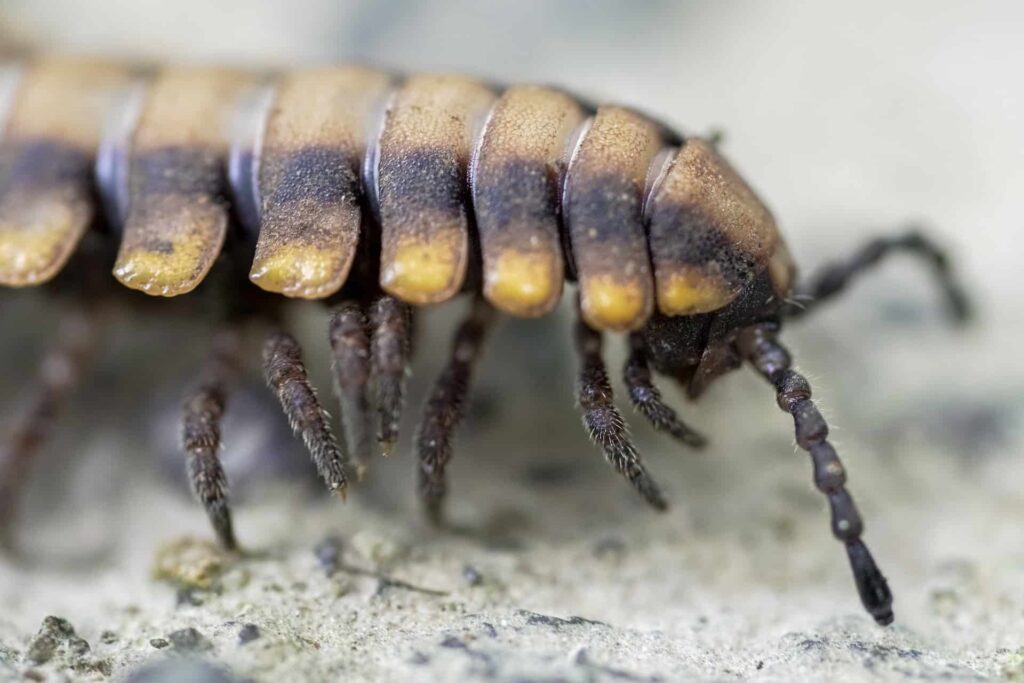
Millipedes have two pairs of legs per body segment, move more slowly, and feed mostly on decaying organic matter. They are often found in damp mulch, leaf litter, soil, and other moist outdoor areas. Millipedes may appear in larger numbers after rain, irrigation changes, or humidity shifts.
Even though they are different pests, the treatment direction is similar: reduce outdoor harborage, correct moisture conditions where possible, treat the perimeter where appropriate, and limit the ways they can enter.
Our Pest
Treatment Process
Thorough Inspection
Pest Treatment
Customized Plan
Guaranteed Protection
On-Time Service
Pest-free guarantee
No Required Contracts
Detailed Service Reports
Pet- and Family-Safe
Why Centipedes and Millipedes Enter Pasadena Homes
Most indoor sightings are tied to outdoor pressure. These pests usually live outside, then move toward the structure when conditions change.
Dry weather may push them to search for moisture. Heavy rain, overwatering, or saturated soil may push them toward drier shelter. In Pasadena, irrigation and landscaping can also create damp areas near the foundation even when there has not been recent rain.
Indoor sightings are often temporary and connected to outdoor activity. Centipedes may survive indoors longer if there are other insects to feed on, while millipedes usually dry out more quickly inside. If sightings continue, the exterior conditions and entry points should be inspected.
How We Approach Centipede and Millipede Control
Earwigs have pincers on the rear of their bodies, which makes them look more intimidating than they usually are. They do not have venom, and they are not considered a major biting pest.
A person handling an earwig directly could feel a pinch, but most indoor sightings are nuisance encounters rather than a health concern. The bigger issue is usually the number of earwigs appearing inside and the outdoor moisture conditions supporting them.
How We Approach Centipede and Millipede Control
Inspection comes first. We look for the places where centipedes and millipedes are likely hiding, feeding, or entering.
Common exterior inspection areas include:
- Mulch beds
- Leaf litter
- Irrigation boxes
- Damp soil near the foundation
- Dense groundcover
- Woodpiles
- Decorative rock or gravel over wet soil
- Fence-line gaps
- Crawlspace edges
- Shaded foundation areas
- Storage against the structure
- Areas with irrigation runoff
Common entry points include:
- Gaps under exterior doors
- Garage thresholds
- Damaged door sweeps
- Plumbing penetrations
- Utility openings
- Foundation cracks
- Weep holes
- Gaps around crawlspace vents
- Exterior wall transitions
Once we understand the conditions, we recommend a treatment plan matched to the property.
Common Harborage Zones We Inspect
Centipedes and millipedes are most often found where moisture and shelter overlap. Around Pasadena homes, that often means mulch, leaf litter, irrigation, shaded soil, and dense landscaping close to the structure.
The most common harborage zones include:
- Mulch pressed against the foundation
- Leaf piles in landscape beds
- Irrigation boxes that stay damp
- Dense groundcover near walls
- Woodpiles sitting directly on soil
- Damp crawlspace edges
- Decorative rock over wet soil
- Planters or pots that hold moisture
- Storage items sitting on damp garage or patio floors
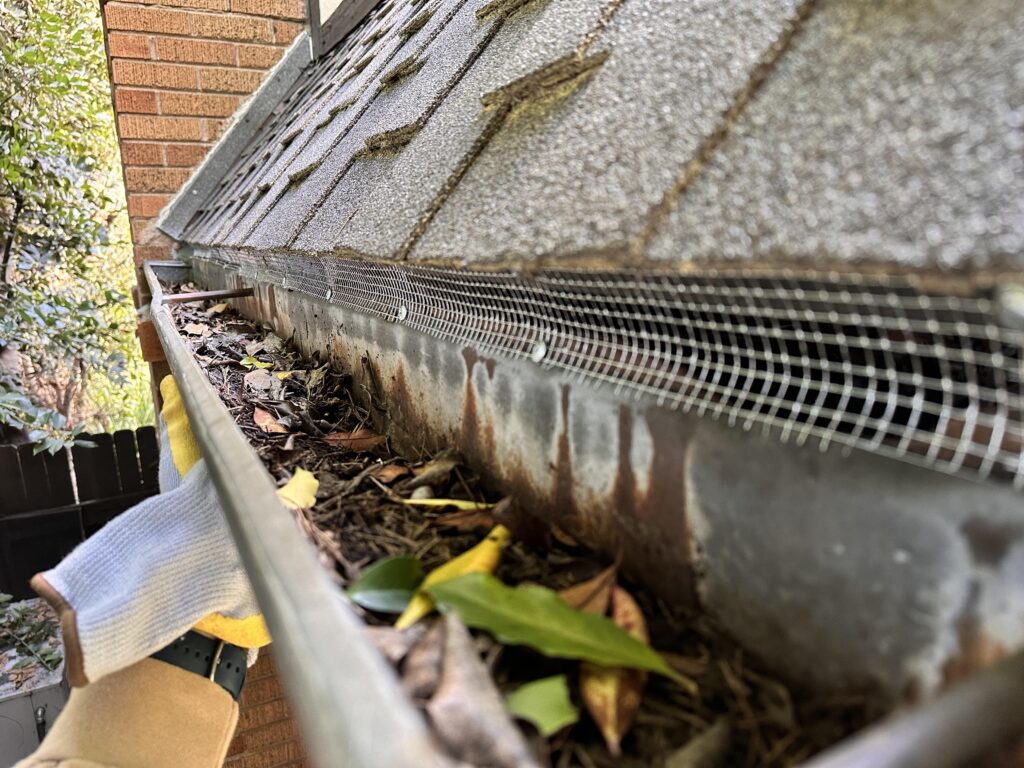
These conditions can allow outdoor populations to build up close to the home. When that happens, centipedes and millipedes are more likely to cross thresholds or appear in garages, bathrooms, basements where present, or other protected areas.

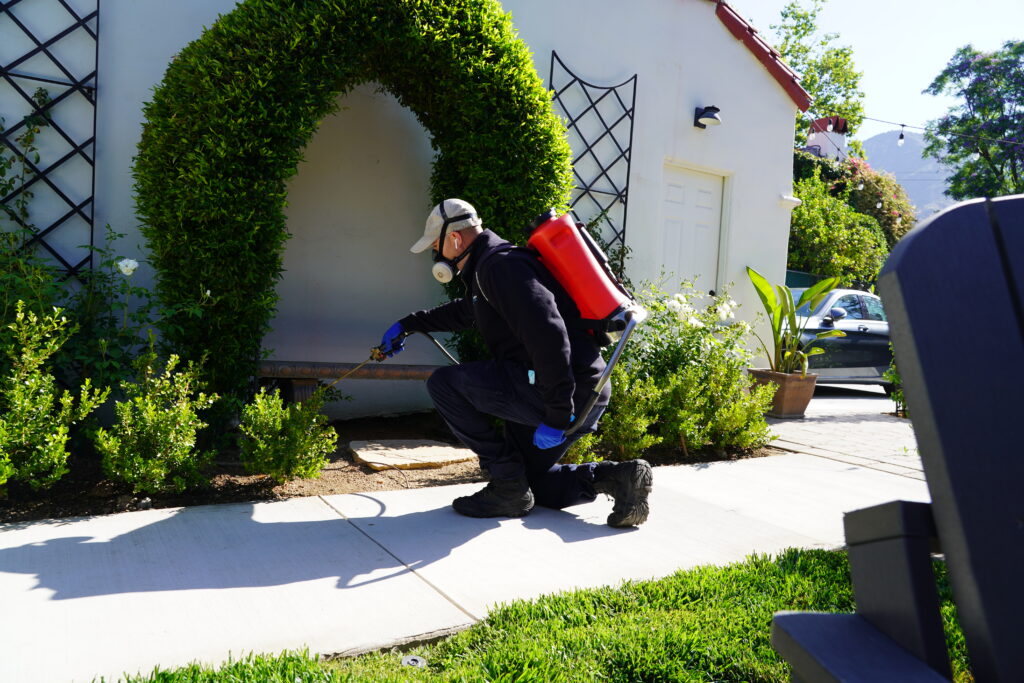
Our Centipede and Millipede Treatment Approach
Earwigs prefer moisture and shelter. Around Pasadena homes, they are often found where landscaping or storage creates cool, damp hiding places.
Common hiding areas include:
- Mulch against the foundation
- Leaf litter in planting beds
- Dense groundcover
- Decorative gravel over damp soil
- Woodpiles
- Irrigation boxes
- Planters and pots
- Fence gaps near soil
- Shaded foundation edges
- Items stored against exterior walls
- Garage clutter
- Damp crawlspace or foundation areas
They may enter through gaps under doors, garage thresholds, plumbing penetrations, exterior cracks, damaged weatherstripping, or unscreened openings.
What Homeowners Can Do to Reduce Activity
Treatment works best when the conditions supporting centipedes and millipedes are corrected.
Helpful steps include:
- Pull mulch back from the foundation
- Clear leaf litter from landscape beds
- Move woodpiles away from the structure
- Keep firewood off bare soil when possible
- Reduce dense groundcover near the home
- Adjust irrigation in areas that stay constantly wet
- Improve drainage near the foundation
- Store items off garage and patio floors
- Replace damaged door sweeps
- Seal obvious gaps around plumbing or utility openings
- Repair damaged crawlspace or vent screens
- Keep garage thresholds tight
The more outdoor moisture and harborage are reduced, the less likely these pests are to build up near the home.
Centipedes, Millipedes, and Other Moisture Pests
Centipedes and millipedes often show up alongside other moisture-associated pests. These may include earwigs, crickets, pillbugs, sowbugs, silverfish, and some types of roaches.
These pests are not the same, but they can be supported by similar conditions: damp soil, mulch, leaf litter, irrigation, clutter, and gaps near the foundation.
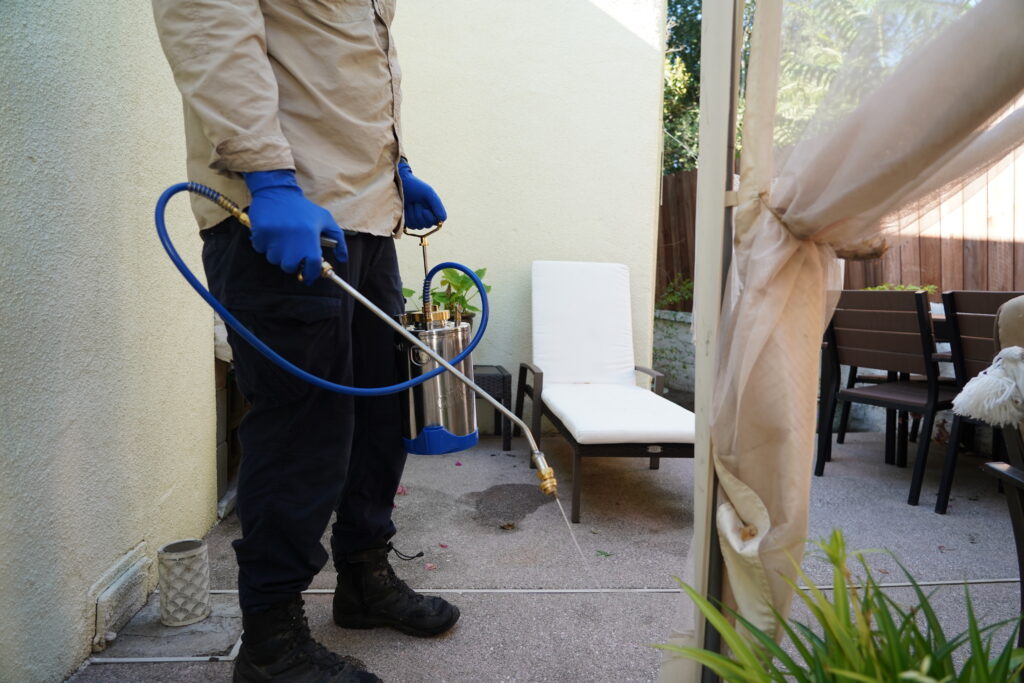
During inspection, we look at the full picture so the treatment plan addresses the conditions supporting the activity instead of only treating the individual pest seen indoors.
One-Time Treatment vs. Ongoing Protection
Some centipede and millipede issues can be reduced with a focused treatment and simple habitat corrections. Other homes may need ongoing perimeter service when moisture, landscaping, irrigation, or seasonal pressure continue to support activity.
Recurring pressure is more likely when a property has:
- Heavy mulch
- Dense landscaping
- Frequent irrigation
- Damp shaded soil
- Leaf litter
- Crawlspace moisture
- Garage gaps
- Older door seals
- Foothill or hillside exposure
- Repeated indoor sightings after weather changes
For homes with recurring pressure, ongoing service can help monitor activit

Service Plan and Warranty
Centipede and millipede control is included in our common household pest control coverage. Service is matched to the conditions at the property, and customers on a recurring plan may be able to request a return visit if activity returns between scheduled treatments.
Warranty terms depend on the service plan in place, so we explain the details before service begins.
Schedule Centipede and Millipede Control in Pasadena
If centipedes are showing up indoors, millipedes are gathering near the foundation, or moisture pests keep appearing after rain or irrigation, Pasadena Pest Control can help.
Call (626) 737-7173 or request a quote online. We’ll inspect the property, identify harborage and entry points, and recommend a treatment plan based on what we find.