
Fly Control in Pasadena, CA

No CC or payment required before service
No contract required for ongoing service
Pest-free guarantee
Detailed Services
What Our Customers Say
Here’s what our customer have to say about our services.
Fly control in Pasadena starts with finding the source. Killing adult flies may reduce what you see right now, but long-term control depends on identifying where they are breeding, feeding, or entering.
Different flies require different solutions. House flies, fruit flies, drain flies, fungus gnats, and cluster flies all behave differently. The right treatment depends on the species, the source, and the conditions supporting the activity.
Fly control is part of our common household pest control coverage in Pasadena.
Locating the Source
Cricket control starts with an inspection of the areas where crickets hide, travel, and enter the structure.
Common inspection areas include:
- Garages
- Sheds
- Crawlspace openings
- Door thresholds
- Garage door gaps
- Baseboards
- Laundry areas
- Behind appliances
- Storage areas
- Fence lines
- Dense groundcover
- Woodpiles
- Leaf litter
- Foundation edges
- Exterior lighting areas
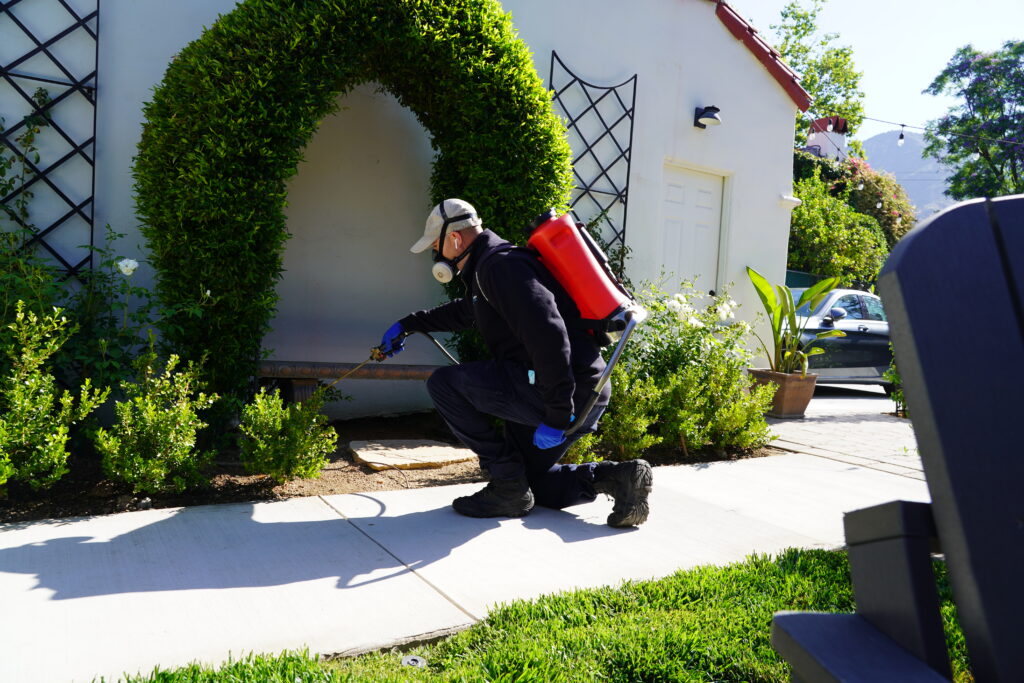
Crickets often hide during the day and become more active at night. Treatment usually focuses on the perimeter, likely entry points, and outdoor harborage areas. When crickets are already inside, garages, storage areas, laundry rooms, and other activity zones may need targeted treatment.
Our Pest
Treatment Process
Thorough Inspection
Pest Treatment
Customized Plan
Guaranteed Protection
On-Time Service
Pest-free guarantee
No Required Contracts
Detailed Service Reports
Pet- and Family-Safe
Fly Species We See Around Pasadena Homes
Several fly species can show up around Pasadena homes and businesses.
House flies are larger flies often associated with garbage, food waste, pet waste, trash areas, and open doors or windows. They may be active indoors or outdoors, especially when food or waste sources are nearby.
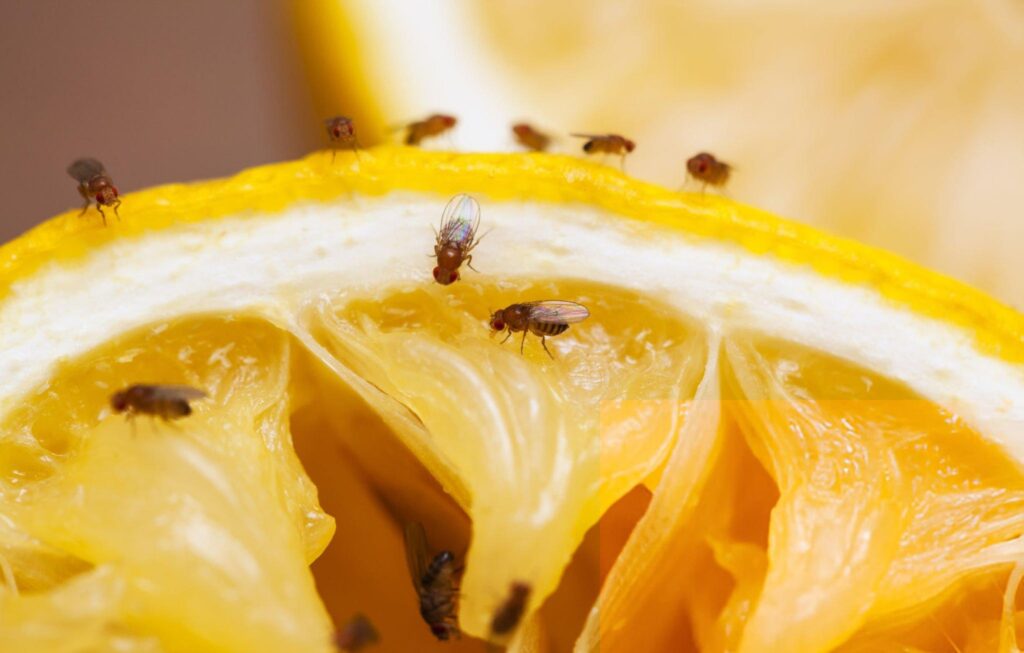
Fruit flies are small flies commonly found around kitchens, produce, sugary spills, fermented liquids, trash, recycling bins, and drain areas. They can develop quickly when food residue or fermenting material is left in place.
Drain flies are small, moth-like flies that are often connected to organic buildup inside drains, slow drains, floor drains, or plumbing areas. They are commonly noticed around sinks, showers, laundry areas, or bathrooms.
Fungus gnats are small flies often tied to overwatered plants, damp soil, and organic material in potted plants.
Cluster flies may appear around attics, wall voids, or sunny windows during certain times of year. They are usually more of a seasonal nuisance than a kitchen or drain-source issue.
Correct identification matters because each fly has a different source and treatment approach.
Recognizing a Fly Problem
The most obvious sign of a fly problem is seeing flies repeatedly in the same area. The location of the activity often points toward the source.
Common signs include:
- Flies gathering around trash or recycling
- Small flies hovering near produce or drinks
- Flies appearing around sinks, showers, or floor drains
- Flies resting on windows, walls, lights, or ceilings
- Fly specks on walls, windows, or light fixtures
- Activity around pet waste, compost, or outdoor trash
- Flies appearing after a drain, garbage, or moisture issue
- Repeated activity near one room or one side of the structure
A few flies entering through an open door may not mean there is a breeding source inside. Repeated activity, especially in the same area, should be inspected.
Why Pasadena Properties Get Flies
Pasadena’s warm weather, mature landscaping, outdoor dining areas, fruit trees, trash storage, pet activity, irrigation, and older structures can all contribute to fly pressure.
Common fly-supporting conditions include:
- Garbage cans without tight lids
- Trash stored in sunny areas
- Pet waste in yards
- Overripe fruit on counters
- Fallen fruit outside
- Sugary spills in recycling bins
- Dirty drains
- Slow drains
- Overwatered plants
- Standing water
- Compost or decaying organic matter
- Dead animals in inaccessible areas
- Open doors or damaged screens
Homes with citrus trees, outdoor trash areas, pets, or frequent food waste may see more recurring fly activity. Restaurants and other food-handling businesses can have additional sanitation and access issues that require a more detailed plan.
How We Handle Fly Treatment
Fly treatment depends on the species and source.
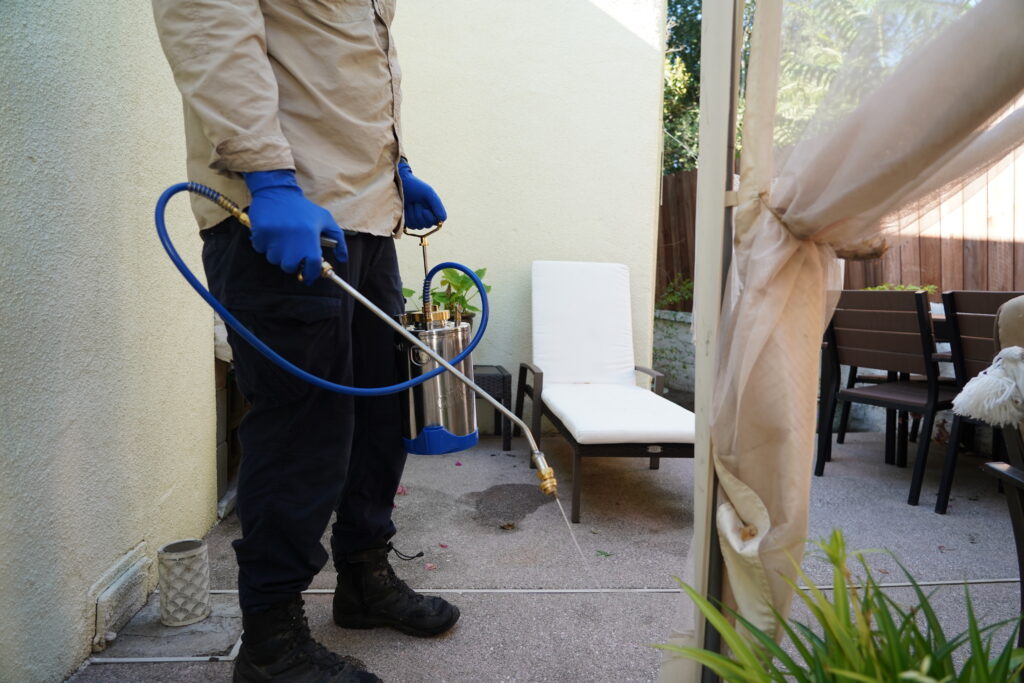
For house flies, the focus is usually sanitation, exclusion, adult reduction, and locating outdoor breeding or feeding sources. Treatment may include exterior service, baiting where appropriate, entry-point recommendations, and sanitation corrections.
For fruit flies, the most important step is removing the food or fermentation source. This may include checking produce, trash, recycling bins, drains, beverage residue, and hidden spills.
For drain flies, the source is often organic buildup inside drains or plumbing areas. Treatment may involve drain cleaning recommendations, biological or enzyme drain treatment where appropriate, and correcting slow-drain or moisture issues.
For fungus gnats, the issue is often damp soil or overwatered plants. Reducing watering, improving drainage, and addressing plant-soil conditions are usually part of the solution.
For cluster flies, the approach is different. Treatment may focus on exterior entry points, seasonal prevention, attic or wall-void concerns, and reducing access before they move indoors.
The goal is to reduce adult flies while correcting the source that is producing them.
House Flies
House flies are often connected to garbage, waste, pet areas, food residue, and exterior access. They may enter through open doors, torn screens, garage gaps, or other openings.
Control may include:
- Locating waste or food sources
- Improving trash storage
- Cleaning pet waste areas
- Reducing access through doors and screens
- Treating exterior resting or activity areas where appropriate
- Using fly baits or traps where appropriate
- Recommending sanitation corrections
House fly control works best when sanitation and exclusion are paired with treatment.
Fruit Flies
Fruit flies often appear in kitchens, bars, trash areas, recycling bins, and around produce. Even small amounts of fermenting material can support activity.
Common sources include:
- Overripe fruit
- Spilled juice, soda, wine, or beer
- Dirty recycling bins
- Trash cans
- Mop buckets
- Drains
- Beverage containers
- Food residue under appliances
- Sticky residue in cabinets or pantries
Fruit fly control often depends heavily on cleanup. Adult flies can be reduced, but the problem will continue if the source remains.
Drain Flies
Drain flies are often seen around sinks, showers, floor drains, laundry areas, or bathrooms. They are usually connected to organic buildup or moisture in drains and plumbing areas.
Helpful steps may include:
- Cleaning drains thoroughly
- Addressing slow drains
- Removing organic buildup
- Keeping infrequently used drains maintained
- Correcting leaks or standing water
- Using drain products when appropriate
Drain flies can be frustrating because the source may be hidden inside plumbing or a rarely used drain. The inspection helps narrow down where activity is coming from.
Commercial vs. Residential Fly Control
Residential fly problems are often tied to one or two sources, such as produce, trash, drains, pet waste, or fallen fruit.
Commercial properties, restaurants, and food-service businesses may need a more detailed approach because fly pressure can come from multiple sources at once. Trash handling, drains, deliveries, doors, kitchens, mop areas, beverage stations, and exterior waste areas all need to be considered.
For both homes and businesses, source identification is the key. Treatment alone will not solve a fly problem if the breeding or feeding source remains active.
Prevention Steps
Fly prevention focuses on removing food, moisture, waste, and access.
Helpful steps include:
- Use tight-lidded garbage cans
- Clean trash cans regularly
- Remove pet waste promptly
- Store produce properly
- Refrigerate ripe fruit when practical
- Rinse recycling before storing it
- Clean sticky spills quickly
- Keep drains clean
- Address slow drains
- Avoid overwatering houseplants
- Remove fallen fruit from yards
- Repair damaged screens
- Keep doors closed when possible
- Clean food residue under appliances
- Maintain compost areas carefully
Small sanitation improvements can make a major difference, especially with fruit flies and house flies.
One-Time Fly Treatment vs. Ongoing Protection
Some fly issues can be resolved with source removal and a focused treatment. Others may require ongoing service, especially when the property has recurring trash, drain, food, pet, fruit-tree, or commercial activity.
Recurring fly pressure is more likely when a property has:
- Outdoor trash storage
- Pets or pet waste
- Fruit trees
- Food-service activity
- Drains with buildup
- Overwatered plants
- Compost
- Damaged screens
- Open doors
- Moisture issues
- Nearby waste or organic material
For properties with ongoing pressure, recurring service can help monitor sources and reduce activity over time.
Our Fly Control Process
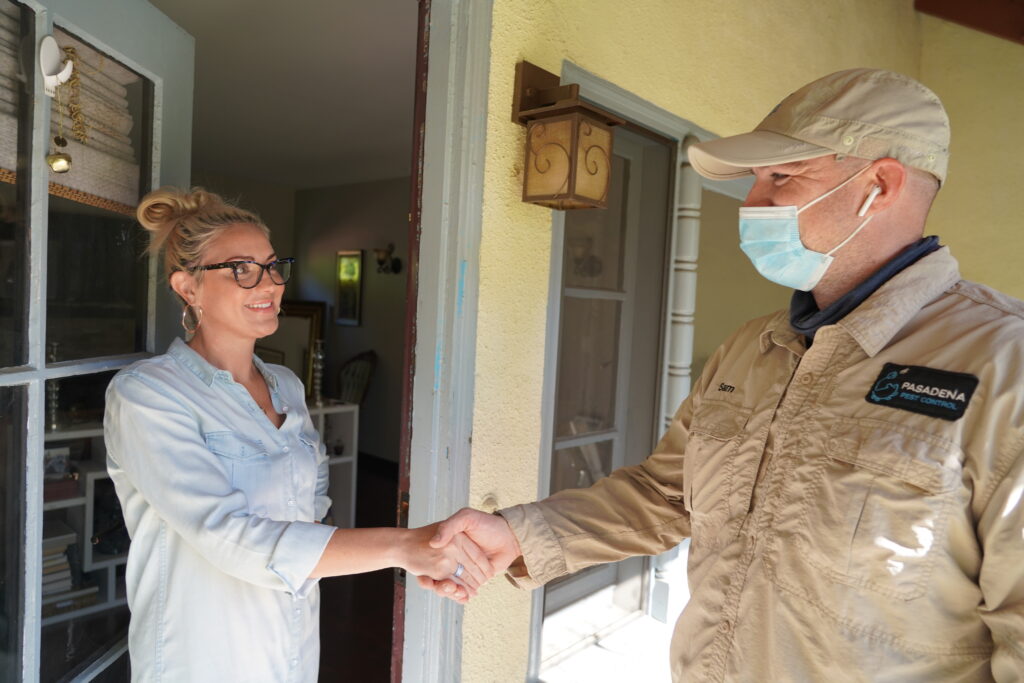
Our fly control process is designed to identify the species, locate the source, and reduce the conditions supporting activity.
- We inspect the areas where flies are active.
- We identify the fly type when possible.
- We look for breeding, feeding, or moisture sources.
- We recommend sanitation or source-removal steps.
- We treat activity areas where appropriate.
- We use traps, baits, drain treatments, or exterior treatments when appropriate.
- We recommend exclusion or screen repairs when needed.
- We explain what to expect after service.
The plan depends on the fly species, source, property conditions, and whether the issue is residential or commercial.

Guarantee and Service Expectations
Fly activity can return when food, waste, moisture, drains, fallen fruit, pet waste, or exterior sources continue to support them. If flies return after service, the next step depends on the species, the source, the treatment performed, and the service plan.
We explain what is covered before treatment begins so expectations are clear.
Stop Flies in Pasadena
If you have fruit flies in the kitchen, drain flies near a sink, house flies around doors or trash, or recurring fly activity you cannot trace, Pasadena Pest Control can help.
Call (626) 737-7173 or request a quote online. We’ll inspect the activity, identify the likely source, and recommend a fly control plan for your home or business.