

Cricket Control in Pasadena, CA

No CC or payment required before service
No contract required for ongoing service
Pest-free guarantee
Detailed Services
What Our Customers Say
Here’s what our customer have to say about our services.
Cricket control in Pasadena often starts with one frustrating sound: a cricket chirping behind an appliance, inside a garage, near a door, or somewhere you cannot easily reach. Crickets are usually nuisance pests, but the noise, indoor sightings, and occasional buildup around garages, sheds, and entry points can become disruptive.
Crickets are often outdoor pests that move indoors through gaps, garage doors, thresholds, vents, and other openings. Pasadena Pest Control treats crickets by focusing on the exterior conditions supporting them, the entry points they are using, and the indoor areas where activity is already present.
Cricket control is part of our common household pest control coverage in Pasadena.
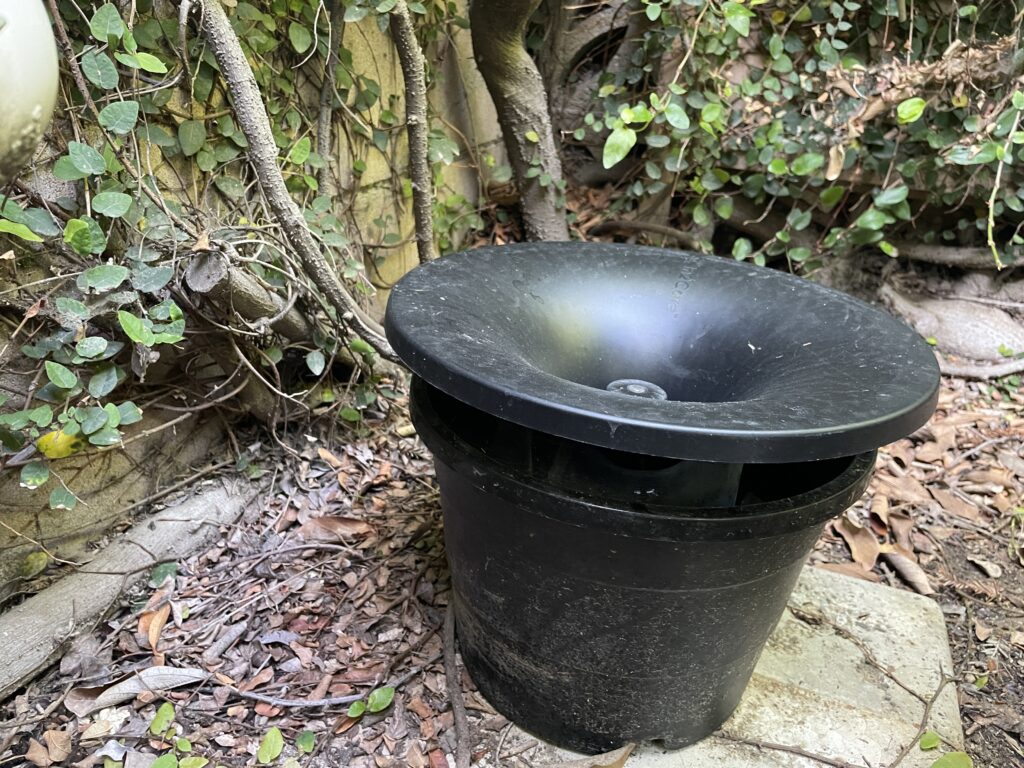
The Cricket Control Process
Cricket control starts with an inspection of the areas where crickets hide, travel, and enter the structure.
Common inspection areas include:
- Garages
- Sheds
- Crawlspace openings
- Door thresholds
- Garage door gaps
- Baseboards
- Laundry areas
- Behind appliances
- Storage areas
- Fence lines
- Dense groundcover
- Woodpiles
- Leaf litter
- Foundation edges
- Exterior lighting areas
Crickets often hide during the day and become more active at night. Treatment usually focuses on the perimeter, likely entry points, and outdoor harborage areas. When crickets are already inside, garages, storage areas, laundry rooms, and other activity zones may need targeted treatment.
Our Pest
Treatment Process
Thorough Inspection
Pest Treatment
Customized Plan
Guaranteed Protection
On-Time Service
Pest-free guarantee
No Required Contracts
Detailed Service Reports
Pet- and Family-Safe
Common Cricket Species Around Pasadena Homes
Several cricket species may show up around Pasadena properties.
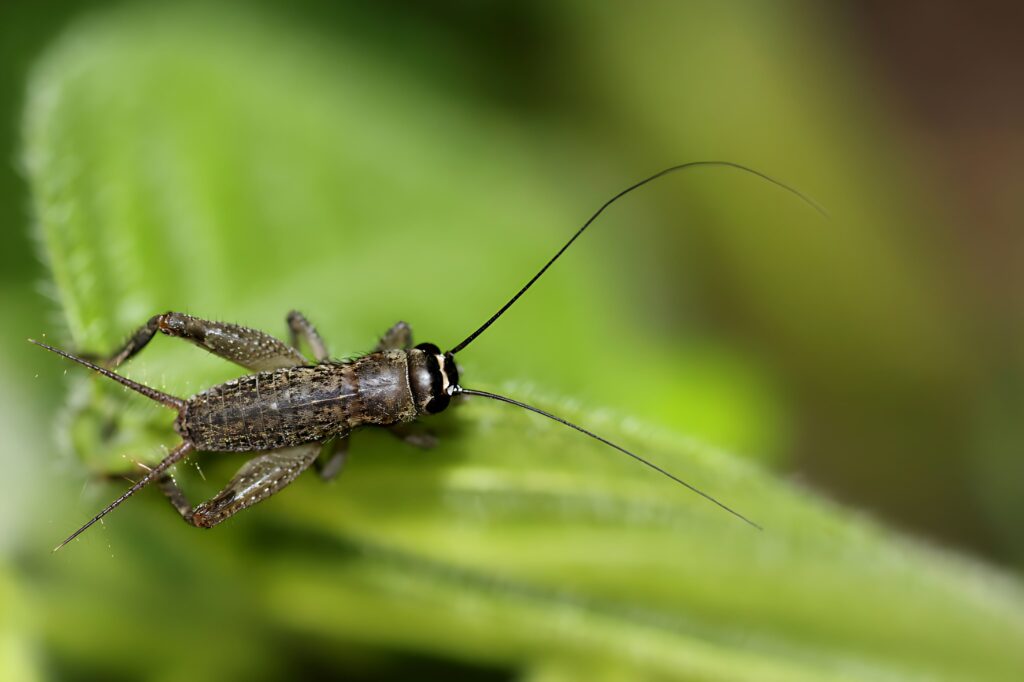
House crickets are often found indoors or near structures. They are usually light brown and may chirp from behind appliances, along baseboards, in garages, or near storage areas.
Field crickets are typically darker and are more often associated with outdoor areas, landscaping, exterior lights, and entry points. They may move indoors when populations build up or outdoor conditions change.
Camel crickets, sometimes called spider crickets, are hump-backed jumping crickets that prefer damp, protected areas. They may appear in garages, crawlspaces, basements where present, or other humid storage areas.
Correct identification helps determine whether the issue is primarily indoor activity, exterior pressure, moisture-related harborage, or migration from outdoor areas.
Why Crickets Make Noise
The chirping sound comes from male crickets. They produce sound to attract mates and communicate. Indoors, that sound can seem much louder because it reflects off walls, appliances, cabinets, and garage spaces.
Warm weather can increase cricket activity, and crickets often become more noticeable at night. When one is hidden behind an appliance, inside a garage, or near a wall void, locating it can be frustrating.
Treatment focuses on reducing the active crickets and the conditions that allowed them to enter or build up around the structure.
Signs of Cricket Activity
The most obvious sign of cricket activity is chirping, especially at night. Other signs may include:
- Live crickets in garages, kitchens, laundry areas, or storage spaces
- Crickets near doors, thresholds, or garage edges
- Activity around exterior lights
- Crickets clustering near foundation lines or sidewalks
- Small dark droppings in garages or storage areas
- Damage to stored fabric, paper, cardboard, or other vulnerable materials
- Increased spider activity where crickets are abundant
A single cricket indoors does not always mean there is a larger issue, but repeated sightings or regular nighttime chirping usually means the entry points and exterior conditions should be inspected.
Why Pasadena Homes Get Crickets
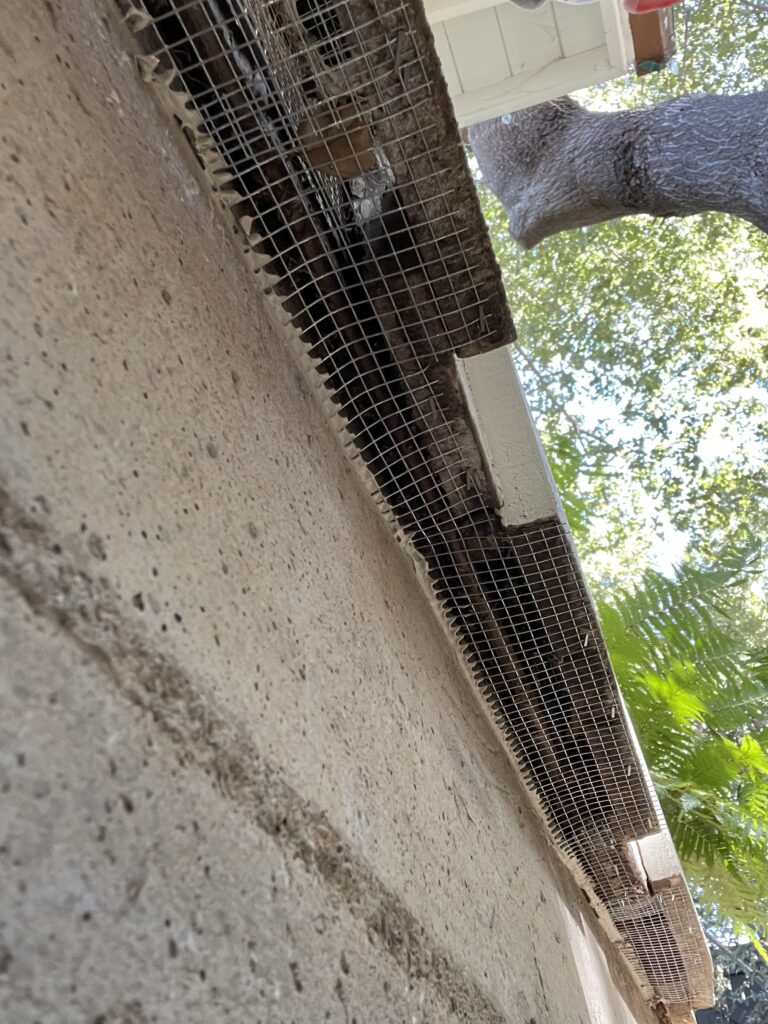
Pasadena’s warm climate, mature landscaping, exterior lighting, irrigation, garages, sheds, and older structural gaps can all support cricket activity.
Crickets may be more common around properties with:
- Bright exterior lights near doors
- Garage door gaps
- Dense vegetation
- Tall grass
- Leaf litter
- Woodpiles
- Damp shaded areas
- Crawlspace openings
- Storage against the structure
- Gaps under exterior doors
- Foundation cracks or utility openings
- Nearby open space, foothills, or brushy areas
Activity may increase during warmer months, after weather changes, or when outdoor populations move toward shelter, moisture, or light.
When Cricket Pressure Spikes
Cricket activity is often more noticeable in warm weather. Exterior lighting, irrigation, vegetation, and garage access can draw them closer to the home. Properties near brush, open space, foothill areas, or dense landscaping may see more recurring activity.
Crickets can move indoors through small gaps, especially around garage doors, side doors, vents, and thresholds. Once inside, they may hide in clutter, storage areas, laundry rooms, garages, or appliance spaces.
For properties with seasonal cricket pressure, treatment before activity peaks may help reduce the number of crickets reaching the structure.

Our Cricket Treatment Method
Cricket treatment is usually focused on the perimeter and nearby harborage areas where crickets are active.
Depending on the property, treatment may include:
- Exterior perimeter treatment
- Treatment near foundation edges
- Treatment near garage doors and thresholds
- Treatment around sheds, storage areas, and exterior harborage
- Granular treatment where appropriate
- Targeted interior treatment in garages or activity areas when needed
- Recommendations for lighting, moisture, clutter, and entry-point corrections
If a cricket is already chirping indoors, we inspect likely hiding areas and treat the activity zone when accessible. The goal is to reduce the current activity and limit new crickets from entering.
Reducing Cricket Habitat
Long-term cricket control works best when treatment is paired with habitat and entry-point reduction.
Helpful steps include:
- Clear garage clutter
- Store items off the floor when possible
- Keep firewood away from the structure
- Trim vegetation back from the foundation
- Remove leaf litter near the home
- Reduce dense groundcover close to entry points
- Fix damaged door sweeps
- Improve garage door seals
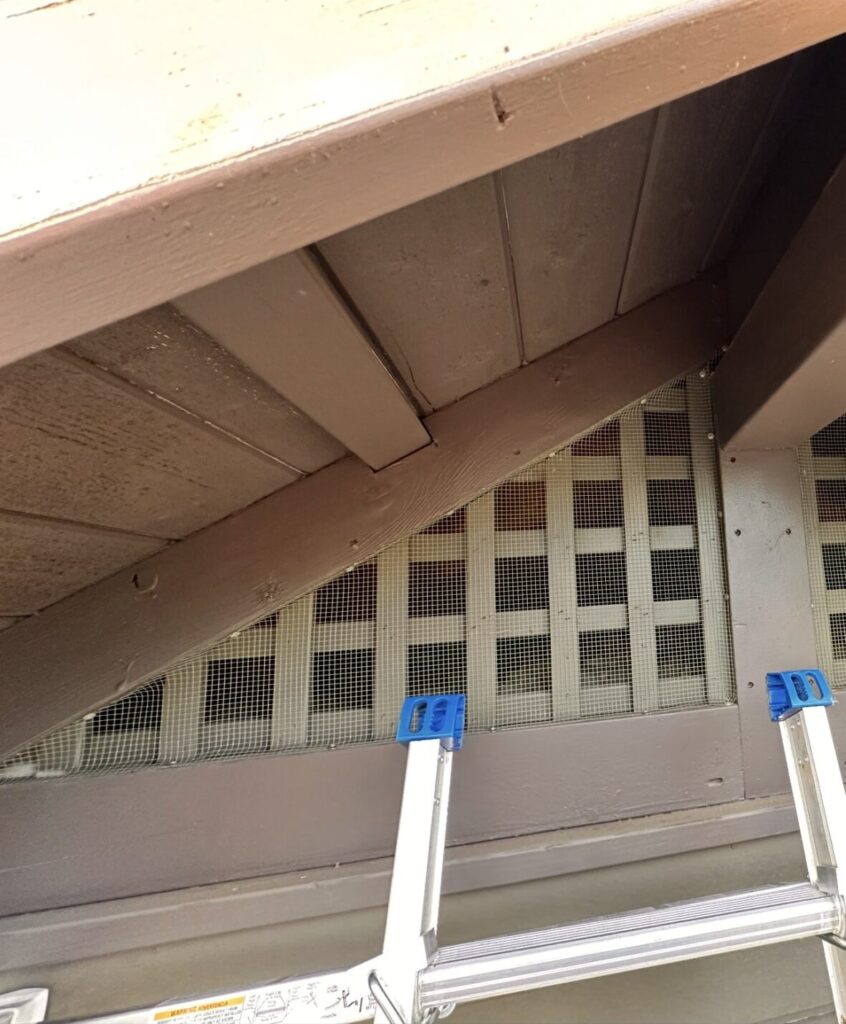
- Seal obvious gaps around thresholds and utility penetrations
- Reduce excess moisture in garages, crawlspaces, and storage areas
- Adjust exterior lighting near doors when practical
Lighting matters because many crickets are attracted to lights at night. Motion lighting, lower-attraction bulbs, or moving lights away from entry points may help reduce activity near doors and garages.
Crickets, Spiders, and Other Pests
Crickets can serve as a food source for spiders and other predators. When cricket activity is high around a property, spider activity may also become more noticeable.
That does not mean every cricket problem creates a spider problem, but reducing crickets and other insects can help reduce the food sources that attract predators around the home.
During inspection, we look at the full pest picture so the treatment plan can address related activity when needed.
One-Time Cricket Treatment vs. Ongoing Protection
Some cricket issues can be resolved with a focused treatment and entry-point corrections. Other properties may need ongoing perimeter service when the home has seasonal pressure, heavy landscaping, exterior lighting, garage gaps, or recurring outdoor pest activity.
Recurring cricket activity is more likely when a property has:
- Bright exterior lights
- Gaps under garage doors
- Dense vegetation
- Heavy leaf litter
- Woodpiles or storage near the structure
- Crawlspace or foundation openings
- Damp shaded areas
- Foothill or hillside conditions
- Nearby brush or open space
For homes with recurring pressure, ongoing service can help monitor activity and keep exterior pest pressure lower over time.
Our Cricket Control Process
Our cricket control process focuses on the exterior source, entry points, and indoor areas where activity is already present.
- We inspect the perimeter and likely harborage areas.
- We identify conditions contributing to cricket activity.
- We check likely entry points.
- We treat exterior activity zones where appropriate.
- We treat interior areas such as garages or laundry areas when needed.
- We recommend lighting, storage, moisture, and sealing corrections.
- We explain what to expect after service.
The goal is to reduce active crickets, limit new entry, and make the property less favorable for future activity.


Guarantee and Service Expectations
Cricket activity can return when exterior lighting, landscaping, moisture, garage gaps, storage, or seasonal pressure continue to support them. If crickets return after service, the next step depends on the treatment performed, the service plan, and the conditions around the property.
We explain what is covered before treatment begins so expectations are clear.
Schedule Cricket Control in Pasadena
If you have a cricket chirping indoors, crickets gathering in the garage, or recurring activity around exterior lights and entry points, Pasadena Pest Control can help.
Call (626) 737-7173 or request a quote online. We’ll inspect the activity, treat the likely harborage areas, and recommend a cricket control plan for your home.