
Silverfish Control in Pasadena, CA

No CC or payment required before service
No contract required for ongoing service
Pest-free guarantee
Detailed Services
What Our Customers Say
Here’s what our customer have to say about our services.
Silverfish control in Pasadena starts with understanding where they are hiding and what conditions are allowing them to survive. Silverfish are often found in bathrooms, closets, garages, crawlspaces, attics, storage areas, and other dark, protected spaces where humidity, paper, cardboard, fabric, or stored materials are present.
Seeing a silverfish move across the bathroom floor at night can be unsettling, but the larger issue is usually the environment supporting them. Moisture, poor ventilation, cluttered storage, cardboard boxes, paper goods, and hidden harborage can all contribute to silverfish activity.
Silverfish control is part of our common household pest control coverage in Pasadena.
We Start with an Inspection

Silverfish treatment starts with inspection. We look for activity and the conditions that support it.
Common inspection areas include:
- Bathrooms
- Closets
- Garages
- Crawlspaces
- Attics
- Laundry areas
- Under sinks
- Behind baseboards
- Around plumbing
- Storage areas
- Bookshelves
- Paper or cardboard storage
- Areas with poor ventilation
- Areas with past or current moisture issues
During the inspection, we look for live silverfish, shed skins, feeding damage, droppings, moisture conditions, and likely hiding areas. The goal is to identify where they are active and what is allowing the activity to continue.
Our Pest
Treatment Process
Thorough Inspection
Pest Treatment
Customized Plan
Guaranteed Protection
On-Time Service
Pest-free guarantee
No Required Contracts
Detailed Service Reports
Pet- and Family-Safe
Why Silverfish Move In
Silverfish prefer dark, protected areas with humidity and access to food sources such as paper, cardboard, book bindings, wallpaper paste, fabric, and other starchy materials.
Common conditions that support silverfish include:
- Poor bathroom ventilation
- Leaking pipes
- Moisture under sinks
- Damp crawlspaces
- Poor attic airflow
- Cardboard storage
- Books or papers stored in humid areas
- Cluttered closets or garages
- Gaps behind baseboards
- Moisture from past leaks
- Storage directly on concrete floors
Not every silverfish sighting means there is major moisture damage. But repeated sightings usually mean there are conditions nearby that should be inspected.
Older Pasadena Homes and Silverfish

Older Pasadena homes can provide more silverfish harborage than newer construction. Craftsman homes, bungalows, vented crawlspaces, partial basements, original wall assemblies, older bathroom ventilation, and long-term storage areas can create protected spaces where silverfish are harder to notice.
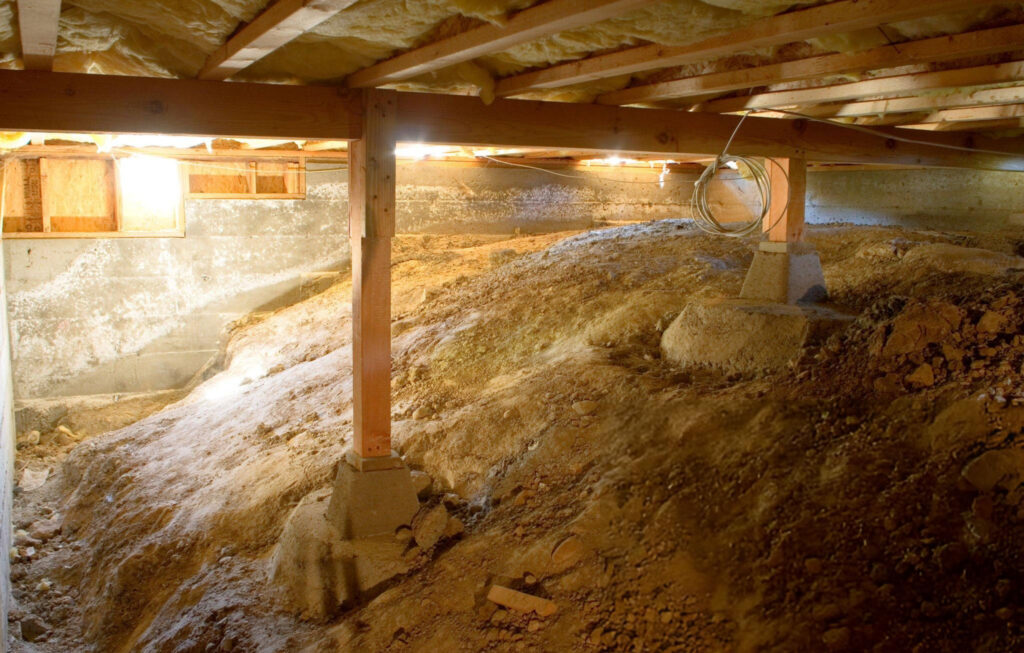
Older homes may also have moisture patterns that are less obvious, such as damp crawlspaces, condensation near plumbing, poorly ventilated bathrooms, or storage areas that stay humid after rain or irrigation changes.
Treatment works best when these conditions are considered. The product application matters, but so do ventilation, storage, moisture, and access to paper or cardboard materials.
Signs of Silverfish Activity
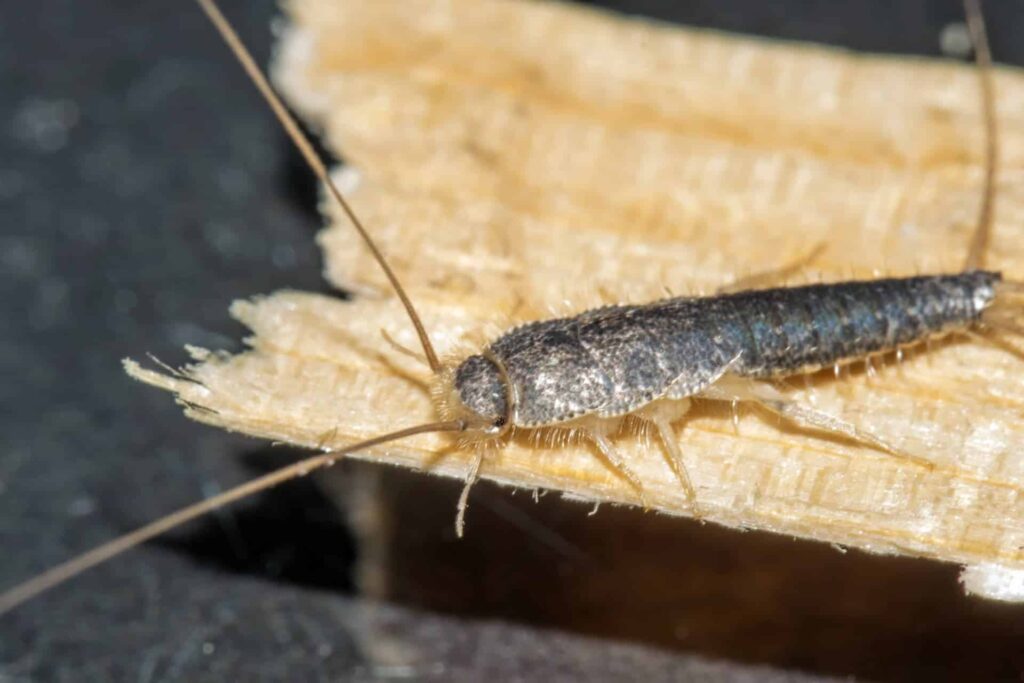
Silverfish are small, fast-moving insects with a silver or gray appearance, long antennae, and tapered bodies. People often notice them when turning on a bathroom, closet, or garage light at night.
Common signs of silverfish activity include:
- Live silverfish in bathrooms, closets, garages, attics, or storage areas
- Shed skins
- Small dark droppings near hiding areas
- Irregular feeding marks on paper, books, or cardboard
- Damage to stored paper goods
- Yellowish stains on affected materials
- Activity near baseboards, plumbing, or storage boxes
- Damage to certain fabrics or stored items
Seeing one silverfish does not always mean a large infestation, but repeated sightings or visible damage should be inspected.
What Silverfish Can Damage
Silverfish feed on materials that contain starches, sugars, or proteins. In homes, they may damage stored or undisturbed items over time.
Items that may be vulnerable include:
- Books
- Paper
- Cardboard boxes
- Wallpaper paste
- Old documents
- Photos or photo materials
- Stored fabrics
- Natural fibers
- Dry goods
- Paper-backed materials
The risk is higher when these items are stored in damp, dark, undisturbed areas. If you store books, family photos, archived documents, textiles, or other important items, reducing humidity and improving storage can help protect them.
Our Silverfish Treatment Approach
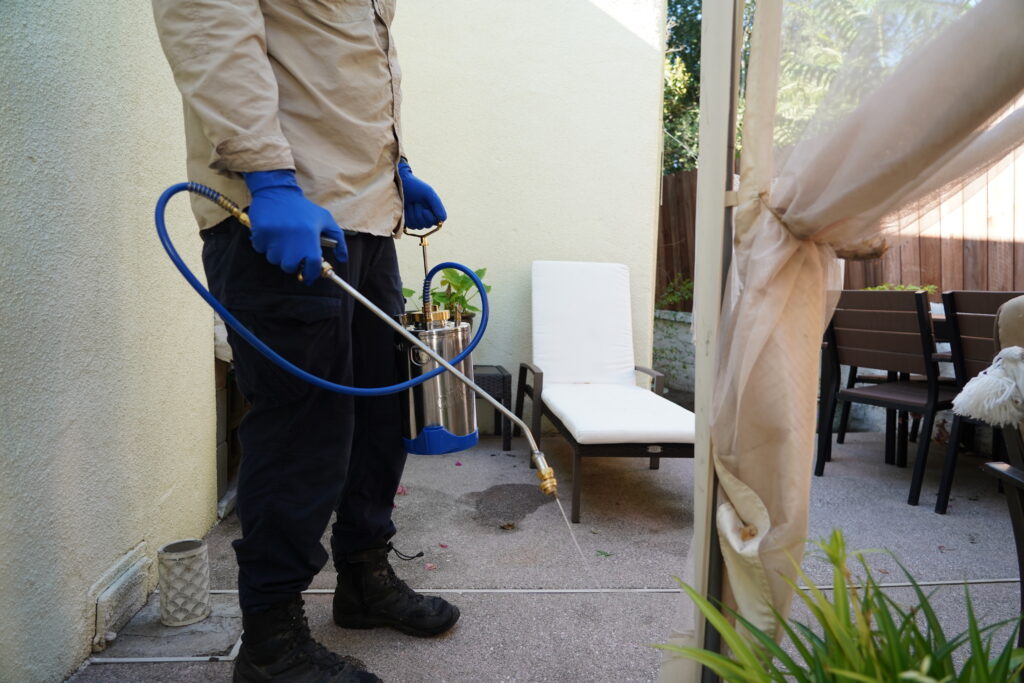
Our silverfish treatment focuses on the places where they hide, travel, and feed.
Depending on the property, service may include:
- Crack-and-crevice treatment
- Treatment around baseboards
- Treatment near plumbing areas
- Treatment in closets, garages, attics, or crawlspace-adjacent areas where appropriate
- Exterior perimeter treatment when exterior migration may be contributing
- Recommendations for storage, ventilation, and moisture correction
Treatment can reduce the active population, but long-term control depends on correcting the conditions that support silverfish. If humidity, storage, and harborage remain unchanged, activity may return.
Treatment Frequency
Some silverfish problems can be improved with a focused treatment and moisture or storage corrections. Other homes may need ongoing service, especially when the structure has persistent humidity, crawlspace issues, older bathroom ventilation, or recurring pest pressure.
The right frequency depends on:
- Where silverfish are active
- How much harborage is present
- Whether moisture is ongoing
- Whether storage conditions can be improved
- Whether activity is isolated or recurring
- Whether the home is already on a Home Protection Plan
If the moisture source is corrected and storage conditions improve, silverfish activity often becomes much easier to manage. If the area stays damp and cluttered, follow-up service may be needed.
Moisture and Storage Corrections
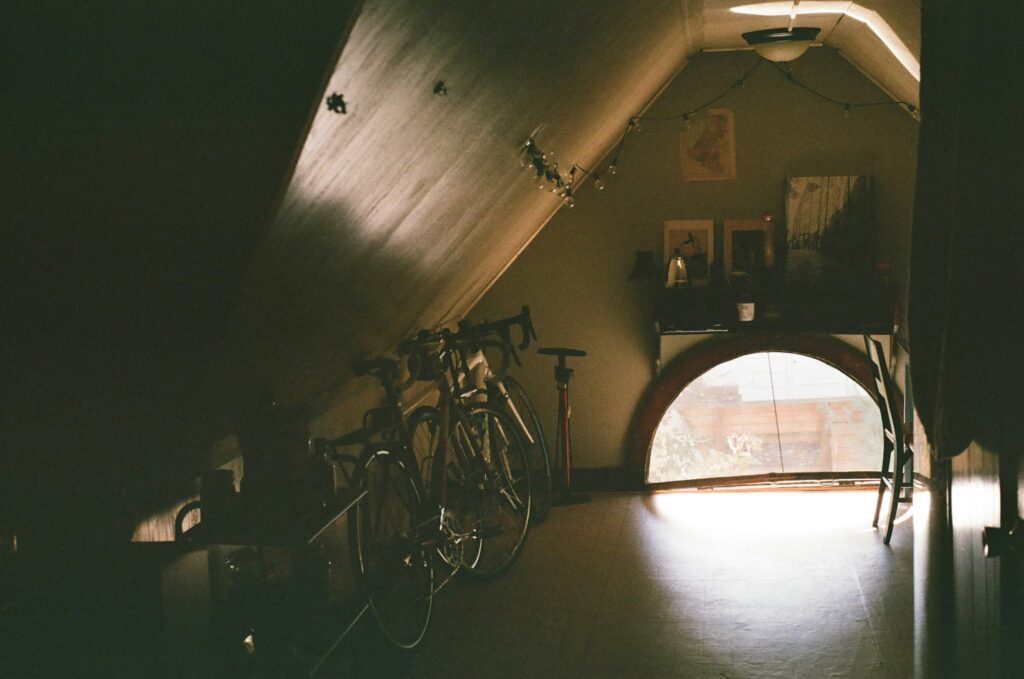
Moisture control is one of the most important parts of silverfish prevention. So is improving how vulnerable items are stored.
Helpful steps include:
- Run bathroom fans during and after showers
- Repair plumbing leaks
- Improve ventilation in damp areas
- Reduce humidity where possible
- Avoid storing books or papers directly on concrete floors
- Replace cardboard storage with sealed plastic bins
- Keep stored items off floors when possible
- Reduce clutter in closets, garages, and storage areas
- Improve airflow around stored materials
- Use a dehumidifier in areas that stay damp
- Check crawlspaces, attics, and under-sink areas for moisture
During service, we can point out the specific conditions that appear to be supporting activity in your home.
Silverfish in Bathrooms, Closets, and Storage Areas
Silverfish are often found where moisture and stored materials overlap. Bathrooms may provide humidity. Closets and garages may provide cardboard, paper, clothing, or undisturbed hiding areas. Crawlspaces and attics can contribute when they affect humidity or allow insects to move into living spaces.
That is why silverfish control should not rely only on treating the room where one was seen. The inspection should consider the surrounding areas and the conditions nearby.
One-Time Silverfish Treatment vs. Ongoing Protection
A one-time silverfish treatment may be enough when activity is limited and the contributing conditions can be corrected. Ongoing service may make more sense when silverfish activity is recurring or when the home has persistent moisture, older construction, or repeated exterior pest pressure.
Recurring silverfish activity is more likely when a home has:
- Damp crawlspaces
- Poor bathroom ventilation
- Stored paper or cardboard
- Humid closets or garages
- Cluttered storage areas
- Older construction gaps
- Past water damage
- Moisture under sinks
- Poor attic ventilation
For homes with recurring activity, routine service can help monitor and reduce pest pressure while moisture and storage conditions are corrected.

Guarantee and Service Expectations
Silverfish activity can return when moisture, storage, cardboard, paper goods, or harborage conditions remain in place. If silverfish return after service, the next step depends on the treatment performed, the service plan, and the conditions around the property.
We explain what is covered before treatment begins so expectations are clear.
Call for Silverfish Control in Pasadena
If you are seeing silverfish in the bathroom, finding shed skins, or noticing damage to books, paper, or stored items, Pasadena Pest Control can help.
Call (626) 737-7173 or request a quote online. We’ll inspect the activity, identify likely harborage, and recommend a silverfish control plan for your home.