
Tick Control in Pasadena, CA

No CC or payment required before service
No contract required for ongoing service
Pest-free guarantee
Detailed Services
What Our Customers Say
Here’s what our customer have to say about our services.
Tick control in Pasadena focuses on reducing tick activity in the outdoor areas where people and pets are most likely to be exposed. Ticks are usually found in shaded, protected areas with vegetation, leaf litter, wildlife activity, or moisture.
For many Pasadena properties, especially homes near foothills, trails, dense landscaping, or wildlife corridors, tick control works best as a yard-focused service paired with pet prevention and habitat reduction.
Tick control is part of our common household pest control program.

How Tick Control Works
Tick control starts with inspection. We look for the areas where ticks are most likely to be active instead of treating the entire yard the same way.
Common inspection areas include:
- Tall grass
- Leaf litter
- Dense shrubs
- Shaded fence lines
- Woodpiles
- Groundcover
- Brushy edges
- Pet resting areas
- Yard furniture areas
- Transitions between lawn and natural vegetation
- Areas where wildlife may travel or rest
Ticks are not always spread evenly across a yard. They tend to concentrate in protected microhabitats where moisture, shade, hosts, and vegetation are available.
Our Pest
Treatment Process
Thorough Inspection
Pest Treatment
Customized Plan
Guaranteed Protection
On-Time Service
Pest-free guarantee
No Required Contracts
Detailed Service Reports
Pet- and Family-Safe
Tick Habitat Around Pasadena Homes
Ticks are usually associated with shaded, protected outdoor areas. Around Pasadena homes, the highest-risk areas are often the places where landscaping, moisture, and wildlife movement overlap.
Common tick-supporting conditions include:
- Overgrown fence lines
- Leaf piles under shrubs
- Dense groundcover
- Brushy slopes
- Woodpiles sitting directly on soil
- Tall grass
- Heavy mulch or debris
- Areas where pets rest outdoors
- Wildlife travel paths
- Yard edges near trails, hillsides, or open space
Properties near foothills, open space, or wildlife corridors may experience more ongoing pressure because animals can move ticks through the area. Deer, coyotes, raccoons, opossums, rodents, feral cats, and other animals may all contribute to tick movement around a property.
Signs You May Have Tick Activity
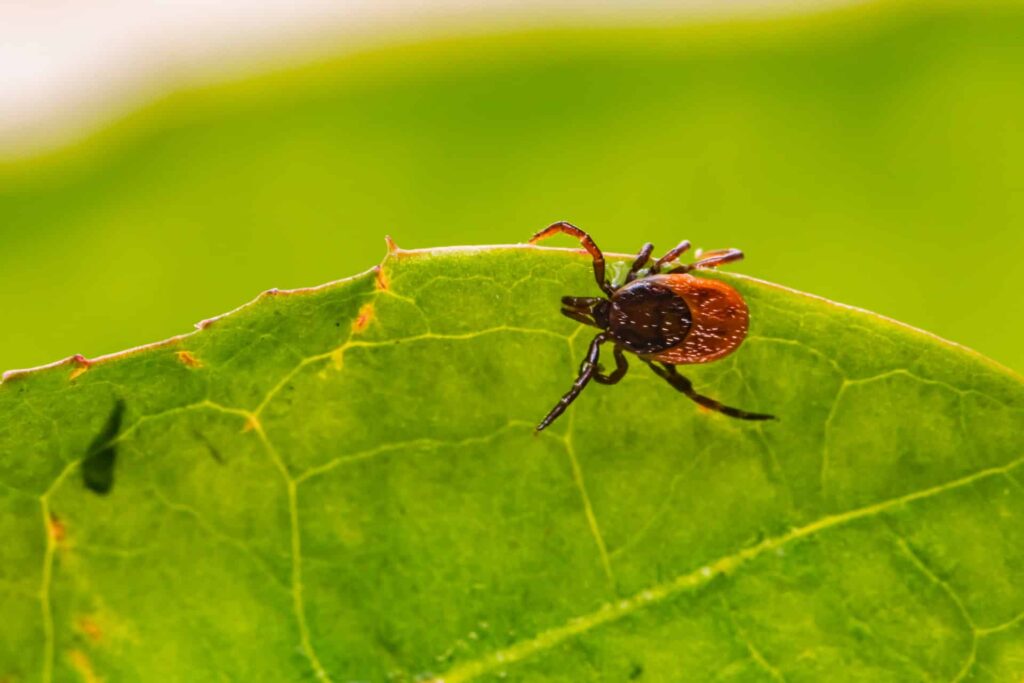
A tick problem is usually noticed when ticks are found on people, pets, outdoor furniture, clothing, or areas where pets spend time.
Possible signs include:
- Ticks found on pets after being outside
- Ticks found on people after yard activity
- Ticks found near pet bedding or outdoor resting areas
- Ticks appearing on patios, yard furniture, or garage edges
- Repeated tick findings despite pet prevention
- Tick sightings after time spent in brushy or shaded parts of the yard
Finding one tick does not always mean the entire yard is heavily infested, but repeated findings should be inspected.
Why Pet Prevention Matters
Yard treatment alone is not enough when pets are involved. Dogs and cats can pick up ticks from your yard, neighboring properties, trails, parks, or other outdoor areas and bring them back home.
We treat the environment. Your veterinarian helps protect the pet.
Ask your veterinarian about the right tick prevention option for your pet. Depending on the animal, your vet may recommend oral, topical, collar-based, or other prevention options.
When pet prevention and yard treatment are coordinated, tick control is more effective.

Health and Safety Awareness
Ticks are a health concern because some species can carry pathogens. Risk varies by tick species, location, exposure, and other factors.
If you find an attached tick on yourself, your child, or your pet, remove it carefully and contact a medical professional or veterinarian if you have concerns. Watch the bite area and monitor for symptoms according to professional medical guidance.
Helpful personal prevention steps include:
- Wearing long pants in brushy areas
- Wearing light-colored clothing so ticks are easier to spot
- Using EPA-registered tick repellent according to the label
- Checking people and pets after outdoor activity
- Checking behind ears, hairlines, waistbands, armpits, and backs of knees
- Showering after time in brushy or grassy areas
- Washing outdoor clothing after exposure
- Talking to your veterinarian about pet tick prevention
We focus on property treatment and habitat reduction. Medical questions should be directed to a doctor, and pet-health questions should be directed to your veterinarian.
Our Tick Treatment Approach
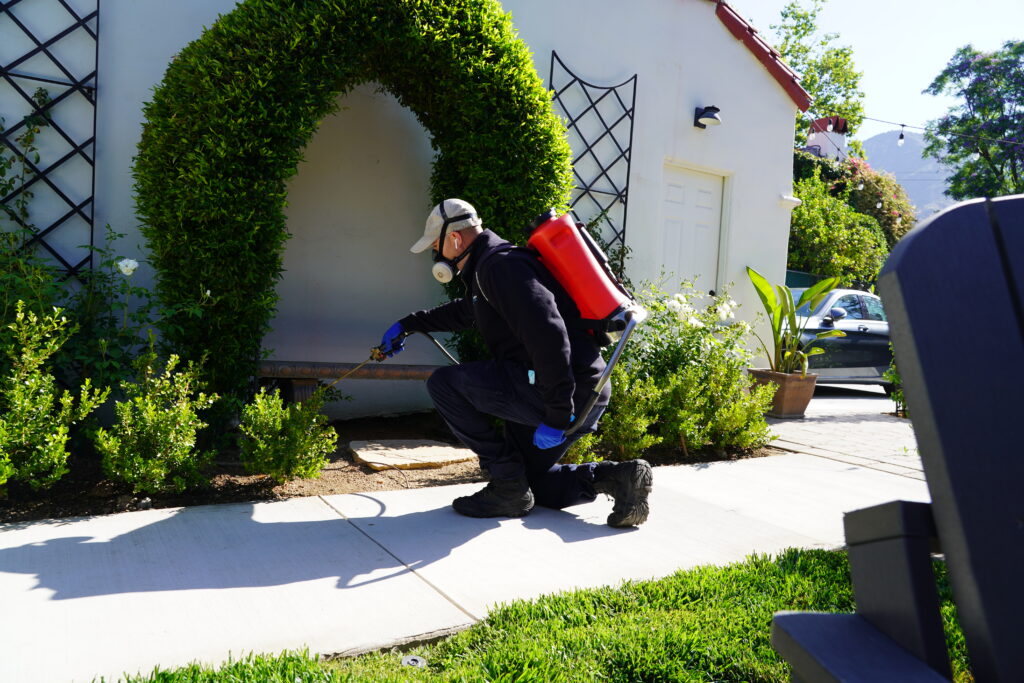
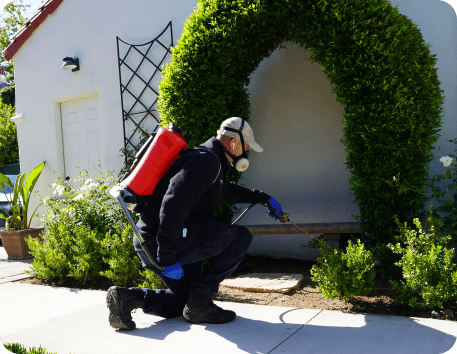
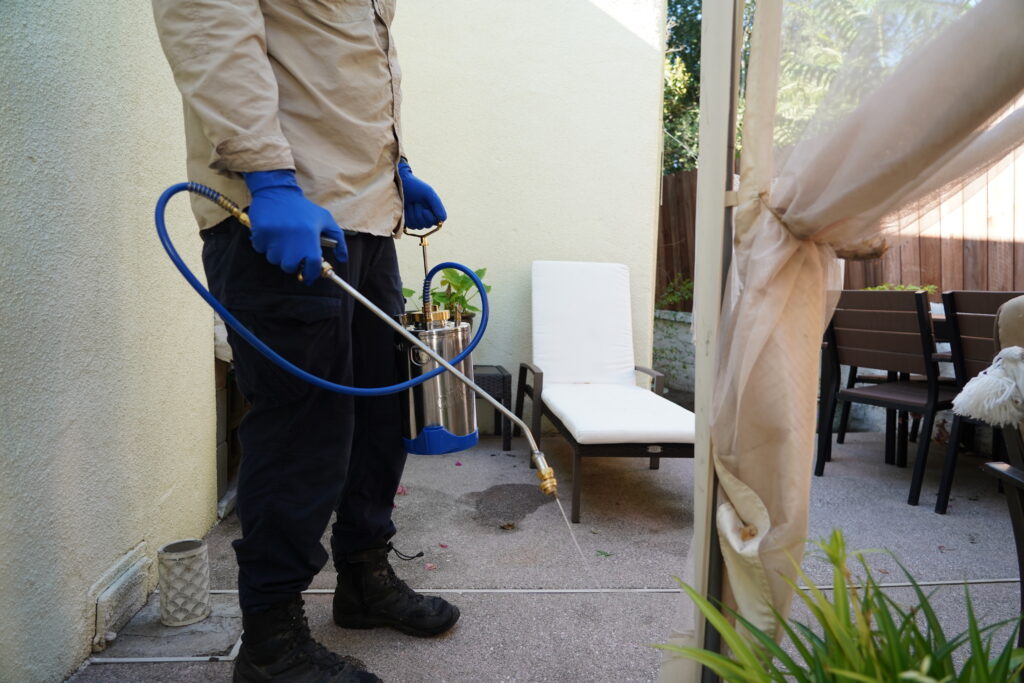
Our tick treatment is yard-focused because ticks are usually picked up outdoors. Treatment is directed toward the areas where ticks are most likely to be active.
A typical tick service may include:
- Inspecting shaded and brushy areas
- Identifying likely tick habitat
- Treating harborage zones where appropriate
- Treating yard edges and transition areas where appropriate
- Focusing on areas pets and people use
- Recommending trimming, cleanup, and habitat reduction
- Coordinating service timing with pet prevention when pets are present
Indoor treatment is usually not the main solution unless ticks are being carried inside on pets or activity is found in specific interior areas.
Seasonal Tick Pressure in Pasadena
Tick activity can vary by season, weather, wildlife movement, and yard conditions. In Pasadena and nearby foothill areas, properties with brush, shade, wildlife activity, or dense vegetation may experience recurring pressure.
A single treatment may help reduce active tick pressure, but properties with ongoing wildlife movement or heavy habitat may need seasonal or recurring service. The treatment plan depends on the property, exposure level, and whether ticks continue to be found after the first service.

Habitat Modifications That Help Reduce Ticks
Tick control works best when treatment is paired with habitat reduction.
Helpful steps include:
- Mow grass regularly
- Rake leaf litter
- Trim dense shrubs
- Reduce groundcover near sitting areas
- Keep woodpiles elevated and away from the home
- Create space between lawn areas and natural brush
- Remove debris along fence lines
- Keep pet resting areas clean and dry
- Limit wildlife food sources
- Secure trash
- Remove fallen fruit or food sources
- Block access under decks or sheds when appropriate
The goal is to make the yard less favorable for ticks and the animals that carry them.
One-Time Tick Treatment vs. Ongoing Service
Some tick issues can be handled with a focused treatment and habitat cleanup. Other properties need ongoing management because ticks continue arriving through wildlife, pets, brush, trails, or neighboring vegetation.
Recurring tick pressure is more likely when a property has:
- Dense vegetation
- Wildlife activity
- Foothill or hillside exposure
- Yard edges near open space
- Pets that spend time outdoors
- Leaf litter or brushy areas
- Woodpiles or shaded harborage
- Nearby trails or natural areas
For tick-heavy properties, seasonal service may be more effective than a single visit.
Our Tick Control Process
Our tick control process is designed to identify the areas of concern and reduce tick pressure where exposure is most likely.
- We inspect the yard and exterior conditions.
- We identify likely tick harborage areas.
- We focus treatment on the zones where ticks are most likely to be active.
- We recommend habitat corrections when needed.
- We coordinate recommendations with pet prevention when pets are present.
- We explain what to expect after treatment.
- We recommend follow-up service when ongoing pressure is likely.
The plan depends on the property, the level of activity, pet exposure, wildlife pressure, and surrounding landscape.

Guarantee and Service Expectations
Tick pressure can return when wildlife, pets, brush, moisture, or neighboring habitat continue to support activity. If ticks are found after service, the next step depends on the treatment performed, the service plan, the property conditions, and whether follow-up service is needed.
We explain what is covered before treatment begins so expectations are clear.
Start Tick Control in Pasadena
If you are finding ticks on people, pets, outdoor furniture, or around the yard, Pasadena Pest Control can help.
Call (626) 737-7173 or request a quote. We’ll inspect the property, identify likely tick harborage areas, and recommend a tick control plan for your yard.