
Ant Control in Pasadena, CA

No CC or payment required before service
No contract required for ongoing service
Pest-free guarantee
Detailed Services
What Our Customers Say
Here’s what our customer have to say about our services.
Ant control in Pasadena starts with understanding where ants are coming from, what they are feeding on, and how the colony is moving around the structure. A trail across the kitchen counter may be the first thing you notice, but the activity often connects to exterior nesting areas, foundation lines, wall voids, plumbing areas, irrigation zones, or landscaping around the home.
Pasadena Pest Control treats ants by focusing on the colony and the conditions supporting it, not just the visible trail. The goal is to reduce active ant pressure, interrupt the colony’s access to food and water, and make the property less attractive for future activity.
This service is part of our common household pest control work in Pasadena.
How We Handle Ant Control in Pasadena
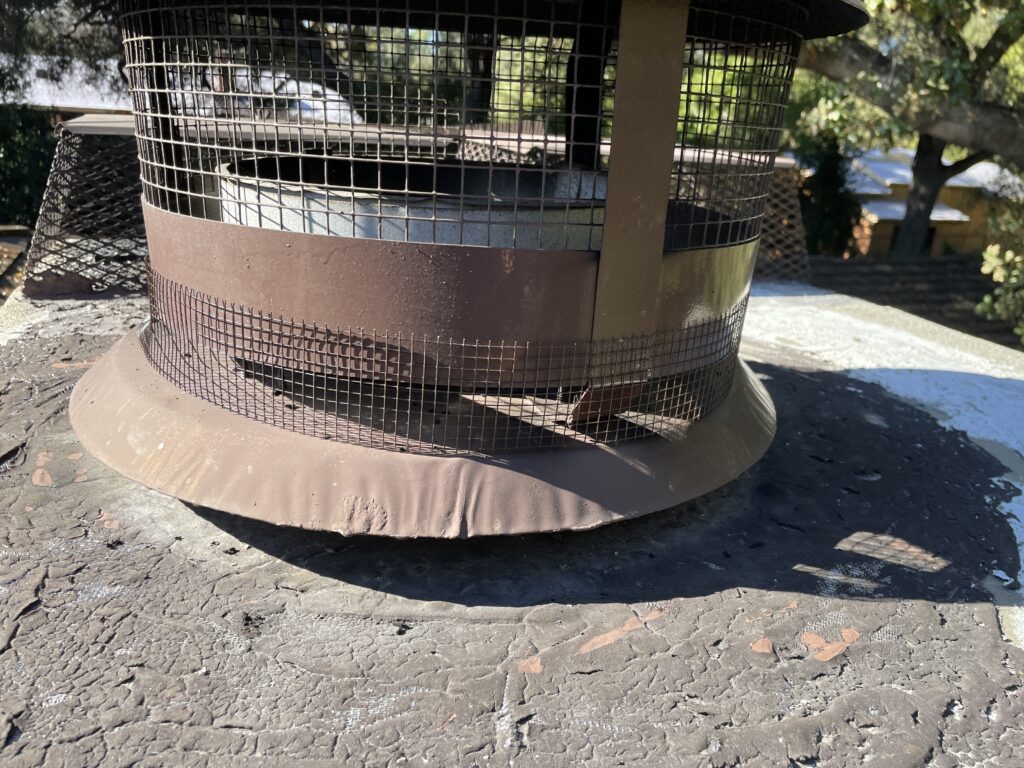
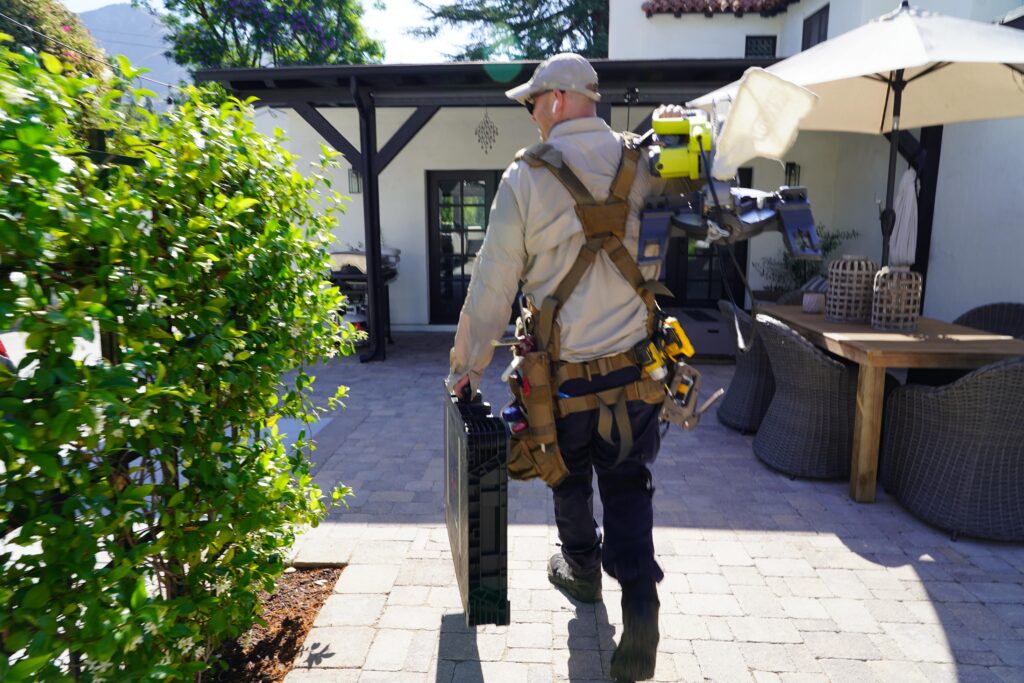
Ant treatment starts with inspection and identification. We look at where the ants are trailing, what they are feeding on, where they may be entering, and what exterior conditions are supporting the activity.
A typical ant service may include:
- Identifying the ant species when possible
- Following trails to likely source areas
- Inspecting kitchens, bathrooms, plumbing areas, window lines, and exterior foundation areas
- Checking irrigation, landscaping, mulch, planters, and moisture sources
- Using bait where appropriate
- Using non-repellent treatment where appropriate
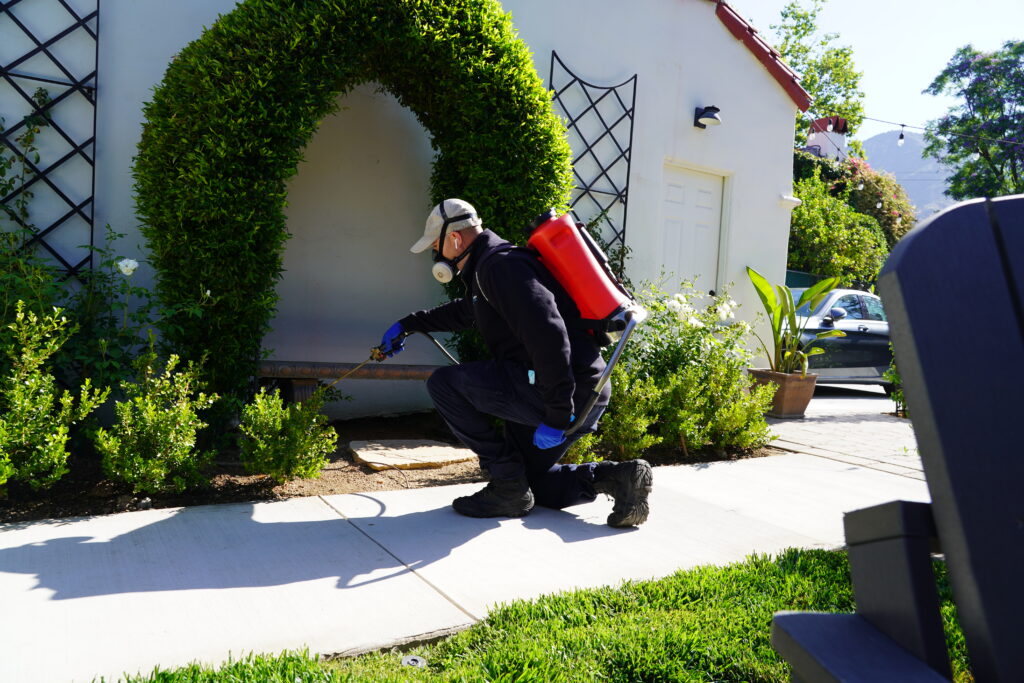
- Treating exterior activity zones and perimeter areas
- Recommending sanitation, moisture, and landscape corrections when needed
Ants communicate through pheromone trails, which are chemical paths that help other workers find food and water. Treating ants correctly means using that behavior against the colony rather than simply killing the ants you can see.
Our Pest
Treatment Process
Thorough Inspection
Pest Treatment
Customized Plan
Guaranteed Protection
On-Time Service
Pest-free guarantee
No Required Contracts
Detailed Service Reports
Pet- and Family-Safe
Why Spraying the Trail Usually Fails
Spraying visible ants with a contact product may kill the workers on the counter, but it often does not solve the colony-level problem. In some cases, it can also make the activity harder to control by causing ants to scatter, relocate, or shift trails.
That is why we usually avoid relying on contact sprays for active interior trails. Depending on the situation, we may use slow-acting baits, non-repellent products, exterior treatments, and source-focused corrections that allow the treatment to reach more of the colony.
The visible trail is only the symptom. The treatment needs to address the colony behavior and the conditions drawing ants inside.
Common Ant Species in Pasadena Homes
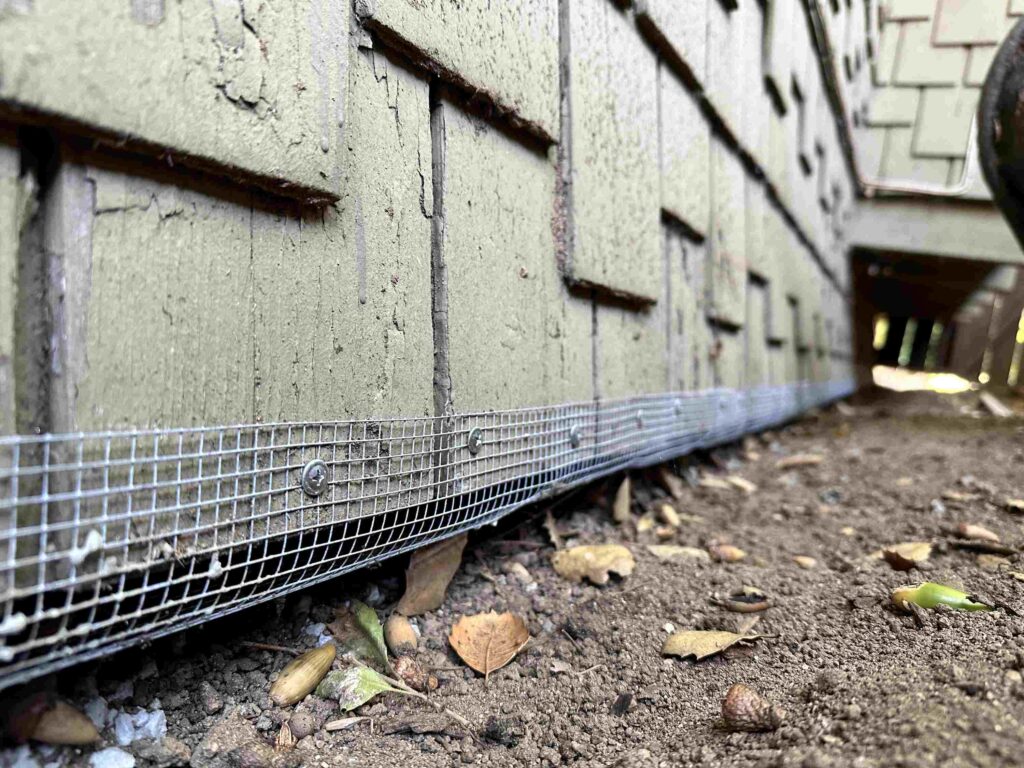
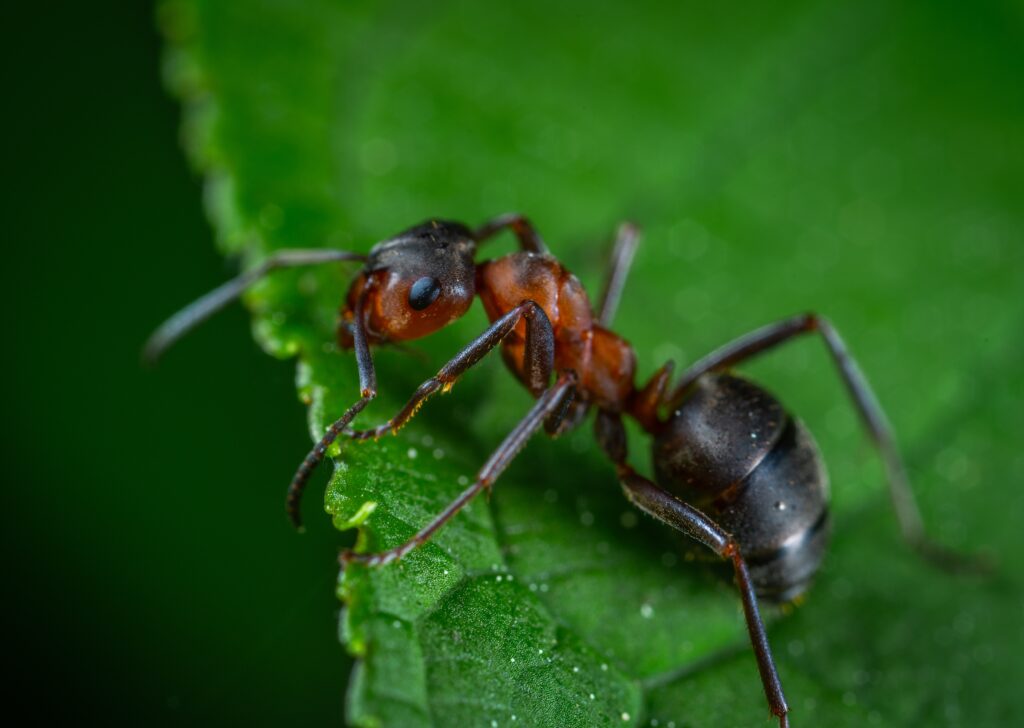
Several ant species can show up in Pasadena homes, but Argentine ants are the most common. They often trail into kitchens, bathrooms, pet food areas, wall voids, and plumbing zones when they are looking for food or water.
Little black ants are also very common in the area and are often one of the next most frequent ants we encounter after Argentine ants. They may show up around kitchens, bathrooms, exterior cracks, foundation lines, and landscaped areas, especially when food or moisture is available.
Velvety tree ants can also be an issue around Pasadena homes, especially where mature trees, older wood, moisture, or exterior nesting conditions are present. They may trail indoors from outdoor nesting areas and can be mistaken for other ant activity without a closer inspection.
Other ants may also be present depending on the property and conditions. These can include odorous house ants, carpenter ants, and other nuisance ants.
Correct identification matters because different ants respond differently to different products and bait types. A bait that works well for one ant problem may be ignored by another if the food preference or colony behavior is different.
Argentine Ants in Pasadena
Argentine ants are especially persistent because they can form large, connected colonies and trail long distances between nesting areas, food, and water sources. Around Pasadena homes, they are often supported by irrigation, landscaping, mulch, plantings against the foundation, and moisture around plumbing or exterior walls.
They commonly move along:
- Foundation edges
- Irrigation lines
- Sidewalk cracks
- Planter beds
- Exterior walls
- Window frames
- Plumbing penetrations
- Kitchens and bathrooms
- Pet food areas
- Trash or recycling areas
Because Argentine ant activity can be connected to large exterior colonies, one-time interior treatment may not be enough. Long-term control often depends on exterior pressure reduction, baiting when appropriate, non-repellent treatment, moisture correction, and ongoing monitoring when pressure is seasonal or recurring.
Signs of an Ant Problem
A visible trail across the counter is the obvious sign, but ants often show up in less obvious places too.
Common ant activity areas include:
- Kitchen counters
- Cabinets
- Pantries
- Under sinks
- Bathrooms
- Windowsills
- Baseboards
- Pet food bowls
- Trash and recycling areas
- Around dishwashers or refrigerators
- Near plumbing or moisture sources
- Along exterior foundation lines
- Around planters, mulch, and irrigation
Outside, ants may be active around sidewalk cracks, foundation edges, pavers, stepping stones, raised planters, tree roots, and moist soil.
Why Pasadena Gets So Many Ant Problems
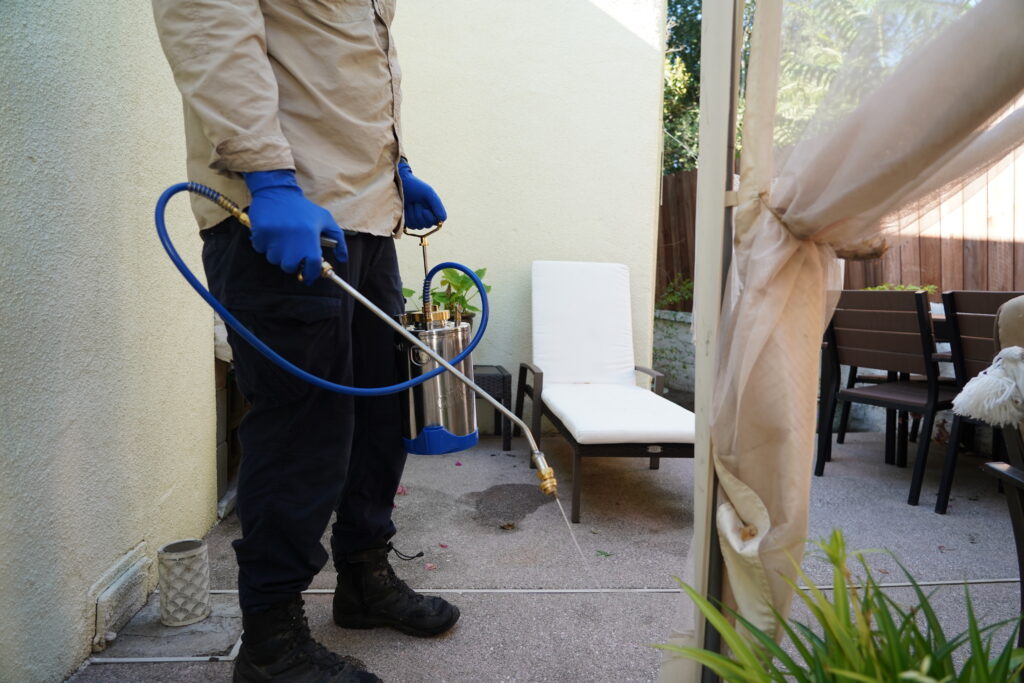
Pasadena’s climate and landscaping can support ant activity through much of the year. Warm weather, irrigation, mature landscaping, mulch, fruit trees, dense vegetation, and older construction details can all create conditions ants use to move around and into homes.
Ant pressure may increase after rain, during hot summer weather when colonies seek water, or when outdoor food and moisture sources become limited. Kitchens, bathrooms, laundry areas, pet food, and plumbing zones are common interior targets because they provide water, food, or both.
Homes with dense landscaping against the structure, irrigation near the foundation, overgrown plants, or moisture problems often experience more recurring ant activity.
The Wrong Way to Treat Ants
The wrong treatment can make ant control harder. Contact sprays on active trails may kill visible workers without reaching the colony. Cleaning away trails without addressing the source may only give temporary relief. Using the wrong bait can also fail if the ants are not feeding on that type of food at the time.
Ant treatment should be based on:
- Species behavior
- Food preference
- Trail location
- Exterior pressure
- Moisture sources
- Nesting or harborage conditions
- Whether the activity is isolated or recurring
The goal is not just to make the trail disappear for a day. The goal is to reduce the colony’s ability to keep sending ants into the home.
Reducing Ant Activity After Treatment
After treatment, prevention focuses on reducing food, water, and exterior conditions that support ant pressure.
Helpful steps include:
- Clean spills and food residue quickly
- Store food in sealed containers
- Avoid leaving pet food out overnight
- Rinse recycling before storing it
- Keep trash areas clean
- Repair plumbing leaks
- Reduce moisture under sinks
- Avoid excessive irrigation near the foundation
- Trim vegetation away from the structure
- Pull mulch or dense groundcover back from the foundation
- Keep tree branches and shrubs from touching the home
Sealing obvious cracks or gaps may help reduce easy access in certain areas, but it should not be relied on as the primary ant-control strategy. Ants are small, persistent, and often connected to exterior colonies. The main focus should be treatment, moisture and food reduction, and exterior pressure management.
One-Time Ant Treatment vs. Ongoing Protection
Some ant problems can be resolved with a focused treatment. Others return seasonally because the exterior pressure around the home remains active.
Recurring ant activity is common when a property has:
- Heavy irrigation
- Mature landscaping
- Dense vegetation
- Mulch against the home
- Moisture issues
- Pet food or outdoor food sources
- Exterior colony pressure
- Older construction gaps
- Prior seasonal ant trails
For homes with recurring pressure, ongoing service can help keep exterior activity lower and catch new ant pressure before it becomes a larger interior problem.
Our Ant Control Process
Our ant control process is designed to identify the activity and treat it at the right level.
- We inspect the active trail and surrounding areas.
- We identify likely food, water, and nesting conditions.
- We determine the best treatment approach for the species and behavior.
- We use bait, non-repellent treatment, exterior treatment, or a combination when appropriate.
- We avoid relying on contact sprays for active interior trails.
- We explain what to expect after treatment.
- We recommend practical corrections to reduce future ant pressure.
Depending on the colony and treatment method, ants may continue trailing for a short period after service. This can be normal when bait or non-repellent products are being used. The goal is for the treatment to reach more of the colony rather than only killing the visible workers.

Guarantee and Service Expectations
Ant activity can be persistent, especially when exterior colonies, irrigation, landscaping, or moisture conditions continue to support them. If ants return after service, the next step depends on the treatment performed, the service plan, and the conditions around the property.
We explain what is covered before treatment begins so expectations are clear.
Get Ant Control in Pasadena
If ants are trailing through your kitchen, bathroom, pantry, or exterior foundation areas, Pasadena Pest Control can help.
Call (626) 737-7173 or request a quote. We’ll inspect the activity, identify the likely source, and recommend an ant control plan for your home.