
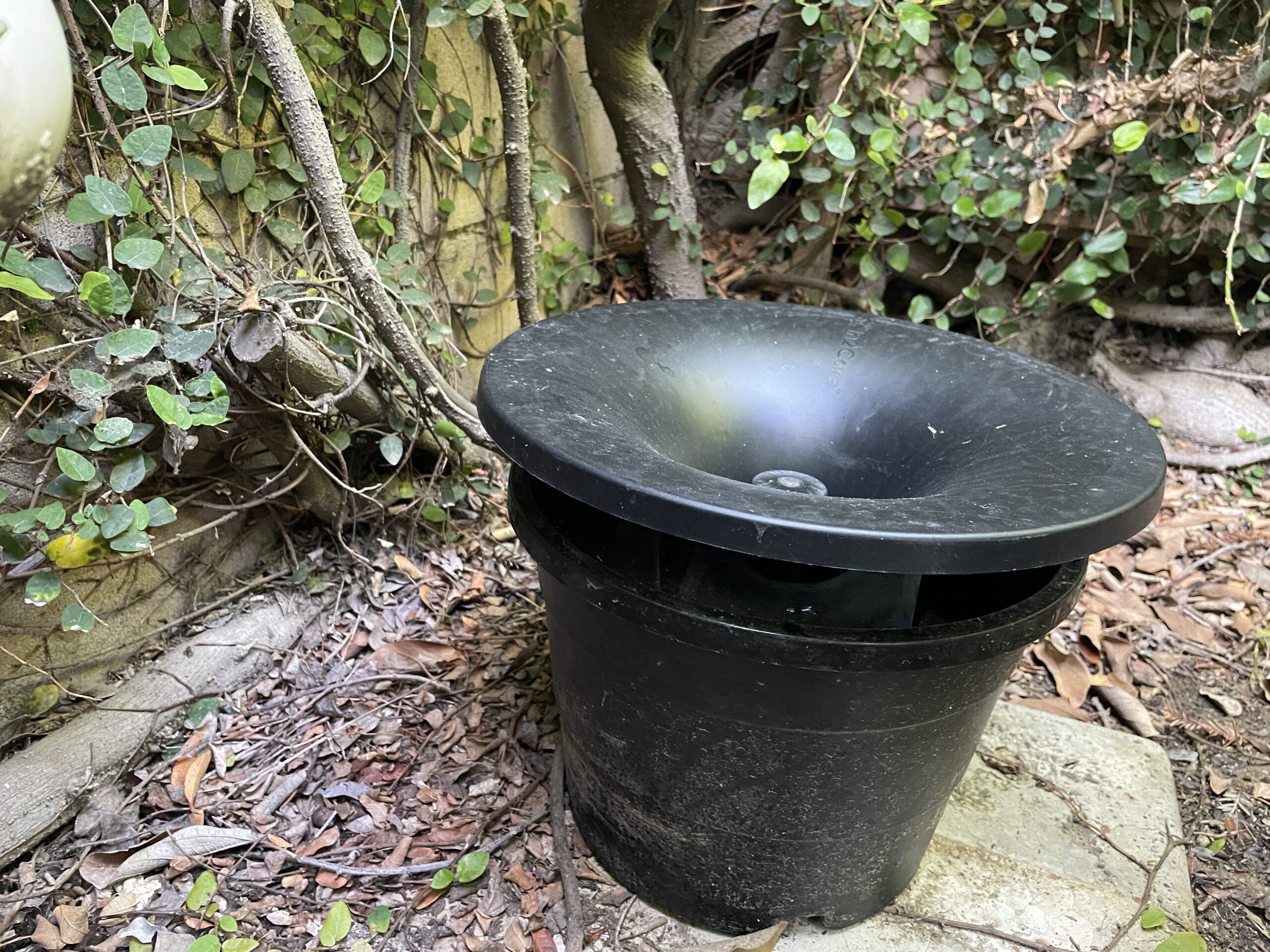
Backyard mosquito activity in irrigated and shaded landscapes is common across Pasadena neighborhoods, especially near vegetation corridors, foothill-adjacent properties, and yards influenced by nearby unmanaged water sources. In2Care mosquito Pasadena stations are designed to reduce mosquito pressure by interrupting reproduction rather than relying only on short-duration spray treatments.
Understanding how lifecycle control works helps explain why Pasadena homeowners often see more stable results from station-based programs than from spray-only mosquito treatments.
Where mosquitoes actually breed in Pasadena neighborhoods
Across Pasadena and the West San Gabriel Valley, mosquitoes rarely depend on visible standing water like ponds or pools. Instead, they reproduce in small concealed moisture pockets such as:
- irrigation valve boxes
- drip-line runoff areas
- planter trays
- clogged gutters
- shaded landscape depressions
- dense hedge interiors
- neighboring containers holding small water volumes
Container-breeding species common in Southern California can complete their lifecycle quickly in very small water sources, which makes elimination through inspection alone difficult.
Many properties experiencing recurring backyard activity benefit from strategies that reduce breeding pressure rather than relying only on adult knockdown treatments like those described in Pasadena Pest Control’s mosquito service overview.
According to the Centers for Disease Control and Prevention, container-breeding mosquitoes can reproduce in very small volumes of water commonly found around residential structures, which is why lifecycle interruption plays a central role in long-term control.
Why traditional spraying has limited duration
Barrier spraying targets adult mosquitoes resting in foliage and shaded zones. This can improve outdoor comfort temporarily but does not prevent new mosquitoes from emerging nearby.
In Pasadena environments, several conditions shorten the duration of spray-only results:
- frequent irrigation cycles
- dense ornamental vegetation
- warm evening temperatures
- migration from neighboring yards
- continuous breeding in hidden containers
Because new adults continue emerging after treatment, spray-only approaches typically require repeated applications throughout mosquito season.
How In2Care mosquito Pasadena stations interrupt mosquito reproduction
Unlike surface sprays that affect mosquitoes after emergence, In2Care mosquito Pasadena stations reduce the number of mosquitoes developing in the environment.
Stations work by:
- attracting egg-laying female mosquitoes
- transferring a larvicide to additional breeding sites the mosquito later visits
- preventing successful development of immature mosquitoes
- lowering the number of biting adults over time
Because mosquitoes distribute the treatment themselves, stations reach hidden breeding sites that cannot be located during inspection.
This approach aligns with lifecycle-based mosquito control strategies described in regulatory guidance on mosquito management safety and product use.
Compared with repeated broadcast spraying, lifecycle interruption reduces reliance on frequent pesticide reapplications across irrigated residential landscapes.
What homeowners can expect during the first season
Lifecycle-based mosquito control produces gradual improvement rather than immediate elimination.
During the first treatment season in Pasadena yards, homeowners commonly observe:
- fewer mosquitoes near seating areas
- reduced activity following irrigation cycles
- improved comfort during evening outdoor use
- continued reduction as stations remain active
Homes near greenbelts, canyon edges, or neighboring unmanaged vegetation corridors may require additional time because outside mosquito pressure remains present.
Why ongoing maintenance improves results over time
Mosquito populations respond best when reproduction is interrupted across multiple breeding cycles.
Because Pasadena’s climate allows mosquito development through much of the year, maintaining stations helps:
- prevent population rebound between seasons
- reduce migration from adjacent properties
- stabilize backyard mosquito pressure
- limit dependence on repeated spray treatments
For homeowners seeking mosquito control Pasadena CA solutions suited to irrigated landscapes and shaded vegetation zones, lifecycle-based station programs provide longer-duration suppression than spray-only approaches.
FAQ
Do mosquito stations work better than spraying?
Mosquito stations and spraying serve different roles. Sprays reduce existing adults temporarily, while stations interrupt reproduction. In Pasadena landscapes with continuous irrigation and vegetation cover, lifecycle interruption often produces more consistent long-term reduction than spraying alone.
How long does it take to see mosquito reduction?
Most homeowners begin noticing improvement within several weeks as fewer mosquitoes emerge. Properties near foothill corridors or unmanaged neighboring vegetation may take longer to stabilize.
Are mosquito stations effective in Pasadena climates?
Yes. Pasadena’s extended warm season allows mosquitoes to reproduce across much of the year, making lifecycle-based control methods particularly effective for long-term backyard mosquito reduction.
