Rodent birth-control bait is one of the most humane population-management tools currently used around homes when evaluated strictly by how it affects rodents themselves. Unlike rodenticides or mechanical trapping, fertility control suppresses reproduction rather than causing injury, poisoning, or immediate death.
However, “humane” depends on what standard is being applied. Some methods reduce suffering quickly by removing animals from confined environments. Others avoid physiological harm but allow existing occupation patterns to continue. Comparing fertility control to other control methods requires examining what rodents actually experience after exposure.
In Pasadena and surrounding area homes, where both roof rats and Norway rats commonly occupy structures at different elevations on the same property, these distinctions become especially relevant.
How Rodent Birth Control Affects Rodents Physiologically
Fertility-control bait works by reducing reproductive success across feeding cycles. It does not produce neurological impairment, internal bleeding, dehydration, or digestive shutdown.
Rodents that consume fertility-control bait typically:
remain active
maintain normal feeding behavior
continue territory use
retain mobility
show no visible distress response
During inspections of Pasadena and surrounding area homes using fertility-control placement, adult movement patterns typically remain stable while juvenile recruitment declines across successive breeding cycles.
From a strictly physiological standpoint, this makes fertility control one of the lowest-impact rodent management tools available.
How Anticoagulant Rodenticides Affect Rodents
Anticoagulant rodenticides interfere with blood clotting mechanisms. After consumption, rodents experience internal hemorrhaging over multiple days before death occurs.
Observed effects typically include:
lethargy
reduced mobility
internal bleeding
increased thirst
withdrawal into concealed nesting spaces
During inspections of older Pasadena homes built before 1940 with balloon framing and plaster wall cavities, inaccessible mortality locations are commonly associated with anticoagulant exposure inside structural void systems.
Compared with fertility control, anticoagulants produce substantially greater physiological stress prior to death.
How Acute Neurotoxic Rodenticides Affect Rodents
Single-feed neurotoxic rodenticides act more quickly than anticoagulants but still produce severe neurological disruption prior to death.
Typical effects include:
loss of coordination
disorientation
respiratory distress
seizure activity
These products reduce survival time after ingestion but increase intensity of physiological distress during that interval.
We commonly see rapid population knockdown along crawlspace vent perimeters and slab-edge burrow transitions following acute rodenticide placement, particularly where Norway rats are established beneath raised foundations in Pasadena and surrounding area homes.
From a rodent-welfare perspective, these products shorten duration but increase severity of exposure effects compared with fertility suppression.
How Snap Traps Affect Rodents
Snap traps are designed to produce immediate cervical dislocation or thoracic compression when functioning correctly.
When placement is accurate and trap strength matches species size:
loss of consciousness occurs rapidly
death follows quickly
prolonged distress is minimized
During inspections of attic spaces with roof-rat nesting above ceiling joists in Pasadena and surrounding area homes, snap trapping remains one of the fastest methods for removing individual animals already occupying insulation cavities.
However, incorrect placement or insufficient trap strength can result in partial capture injuries rather than immediate death.
This variability makes snap trapping humane when properly executed but inconsistent when deployed without species-specific placement strategy.
How Glue Boards Affect Rodents
Glue boards immobilize rodents without producing immediate death.
After capture, rodents typically experience:
prolonged restraint stress
dehydration
self-injury while attempting escape
extended exposure before death
Because immobilization may last many hours or longer without intervention, glue boards are widely considered among the least humane rodent-control methods currently used in structural environments.
During inspections of detached garages and storage areas in Pasadena and surrounding area homes with alley-access service corridors, glue boards are occasionally encountered as homeowner-installed devices capturing non-target species in addition to rodents.
Compared with fertility control, glue boards produce substantially greater distress and injury risk.
How Live Trapping Affects Rodents
Live traps prevent immediate injury but introduce other welfare considerations.
Captured rodents commonly experience:
acute confinement stress
territorial displacement after release
competition when relocated into occupied habitat
predation risk in unfamiliar territory
Release outcomes vary depending on distance from capture site and availability of shelter corridors.
During inspections near citrus canopy travel routes connecting adjacent parcels across Pasadena and surrounding area neighborhoods, relocated roof rats frequently attempt to return along established elevated pathways if release distances are short.
Live trapping avoids poisoning effects but does not guarantee reduced long-term stress exposure.
Colony-Level Effects of Fertility Control
Unlike lethal methods, fertility control influences population structure rather than individual survival.
Typical colony-level changes include:
reduced juvenile recruitment
lower territorial competition between adults
fewer dispersal migrations into new nesting zones
declining seasonal expansion pressure
During inspections of Pasadena and surrounding area homes with continuous bougainvillea hedge corridors and cypress windbreak rows linking multiple properties, reductions in juvenile roof-rat activity are often the earliest indicator that fertility-control placement is affecting breeding populations.
Because adults remain alive while recruitment declines, colony contraction occurs gradually rather than abruptly.
This reduces displacement-driven conflict compared with rapid population removal methods.
Differences Between Roof Rats and Norway Rats Under Fertility Control
Both species respond biologically to reproductive suppression, but movement ecology affects how outcomes appear.
Roof rats depend heavily on elevated travel systems such as:
citrus canopy bridges
detached garage rooflines
fence-top corridors
overhead utility service lines
Norway rats depend primarily on ground-level shelter continuity including:
ivy-covered foundation burrow systems
retaining-wall void transitions
irrigation-softened planting beds
crawlspace vent approach zones
During inspections of Pasadena homes built before 1930, simultaneous canopy-level roof-rat movement and subgrade Norway-rat burrow activity are commonly documented on the same property.
Fertility suppression affects both species, but visible reductions occur sooner in canopy-connected roof-rat populations where travel corridors distribute bait exposure more evenly.
How Fertility Control Compares Across Humane Standards
When evaluated strictly by rodent experience:
fertility control produces the least physiological harm
snap trapping produces the shortest exposure duration when successful
live trapping avoids poisoning but introduces relocation stress
anticoagulants produce extended internal bleeding before death
neurotoxins produce shorter but more intense neurological distress
glue boards produce prolonged restraint and dehydration stress
Each method affects rodents differently depending on whether the priority is minimizing suffering duration, avoiding lethal outcomes, or reducing colony expansion.
What Inspections Commonly Show After Fertility-Control Deployment
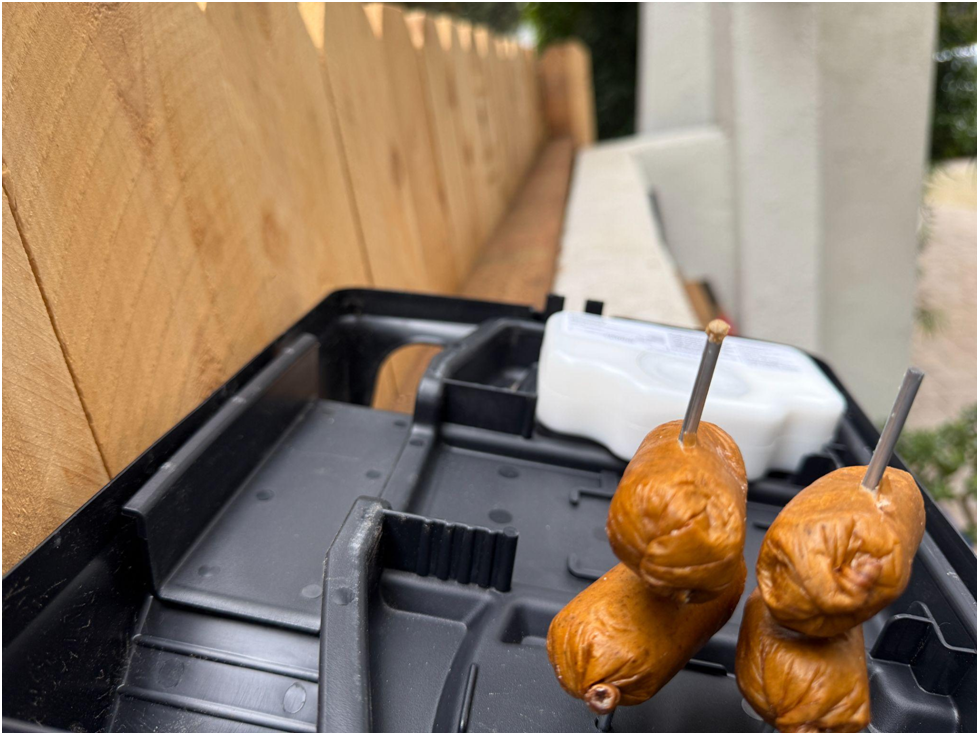
During inspections of Pasadena and surrounding area homes using distributed fertility-control placement along fence lines, detached garage perimeters, and crawlspace vent approach zones, the earliest measurable changes typically include fewer juvenile sightings and reduced exploratory movement into attic-level entry transitions.
We commonly see stable adult movement patterns continue while seasonal expansion pressure declines across successive breeding cycles.
In older Pasadena homes built before 1950 with open rafter-tail transitions and raised foundation vent screening installed decades earlier, these reductions are most visible after access pathways concentrate travel along predictable exterior routes.
These outcomes reflect population stabilization rather than immediate removal of individual animals.
Practical Humane Interpretation
When compared directly with rodenticides, glue boards, and most relocation strategies, rodent birth control is among the most humane available tools because it suppresses reproduction without causing poisoning, injury, or restraint stress.
Its primary limitation is not animal impact. It is speed of visible population reduction.
From the standpoint of rodent welfare alone, fertility control represents a low-distress method of reducing long-term colony size across the landscape-connected roof-rat and foundation-burrowing Norway-rat populations commonly observed during structural inspections of Pasadena and surrounding area homes.
