Few pests generate the kind of visceral reaction that German cockroaches do — and if you’ve ever seen one scatter across your kitchen at night, you know why. Fast, secretive, and stubbornly hard to eliminate, these small roaches don’t just sneak into your home — they move in like they own the place.
In Pasadena and surrounding areas, German roaches are one of the most common indoor cockroach species, and also one of the hardest to control without a real strategy. Unlike American roaches (which often come from outside), German roaches are indoor pests through and through. If you’re seeing them, they’re not just visiting — they’ve set up shop.
Let’s walk through where they come from, what conditions help them thrive, and what actually works when it comes to getting rid of them.
What Are German Roaches?
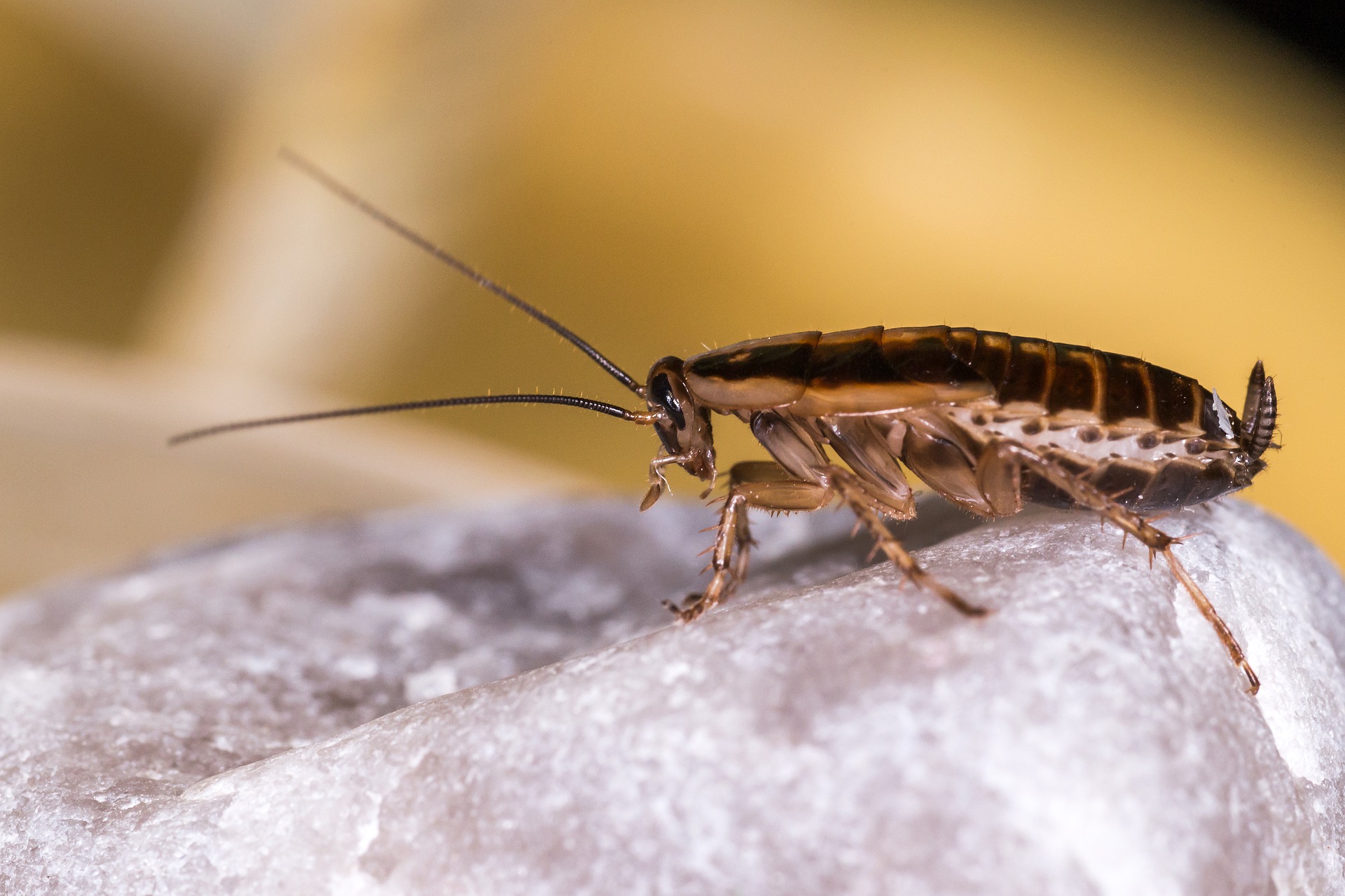
German cockroaches are small — usually just ½ to ⅝ inches long — with a light brown or tan body and two dark, parallel stripes behind the head. Don’t let their size fool you: these roaches reproduce at lightning speed. A single female can produce thousands of offspring in a year.
They’re almost always found indoors, and are especially fond of:
-
Kitchens
-
Bathrooms
-
Laundry rooms
-
Utility closets
-
Any area with heat, moisture, and food
And while they don’t bite, they do contaminate surfaces, spread bacteria, and trigger asthma — particularly in children.
How German Roaches Get Inside
Unlike other pests that crawl in through cracks or under doors, German roaches are most often brought in — unknowingly — by humans. Common methods of introduction include:
-
Cardboard boxes, paper bags and food packaging
-
Secondhand or even new appliances
-
Grocery bags
-
Luggage or backpacks
-
Infested furniture
Once inside, they hide in tight cracks and crevices during the day and come out to feed at night. If you’ve introduced an appliance to your home within a year of noticing these roaches, consider this as a possible source and get a professional inspection.
Conducive Conditions for German Roaches: What Attracts Them & What You Can Do
Here’s a helpful table breaking down what attracts German cockroaches — and the proven DIY solutions that may help reduce activity if used consistently.
|
Conducive Condition |
Why It Attracts Roaches |
Proven DIY Solution |
|
Crumbs, grease, or food debris |
Roaches are nocturnal foragers; even tiny food traces feed colonies |
Regular wipe-downs of counters, stovetops, hood vents, and walls where grease buildup is likely |
|
Leaky pipes or standing water |
Roaches need moisture to survive |
Fix plumbing leaks; dry sinks and bathtubs at night |
|
Warmth from appliances |
Heat provides an ideal egg incubation environment |
Pull out appliances monthly to clean and inspect behind |
|
Cardboard & clutter |
Cardboard contains cellulose and offers perfect hiding places |
Remove cardboard boxes and store items in sealed plastic bins |
|
Poor sanitation in pet areas |
Leftover food and moisture draw activity |
Clean up pet food and water bowls before bed |
|
Infrequent trash disposal |
Organic waste creates an ideal feeding ground |
Empty trash nightly and use cans with tight-fitting lids |
⚠️ Important: DIY by itself for this pest is NOT recommended. Once a presence is established, it requires professional treatment. Roaches can survive on residue alone and hide in cracks as thin as a credit card. Find more information on German Roach control here: https://pasadenapest.com/german-roaches/
Cities in Which We Control German Roaches
We control German roaches in the following communities:
Alhambra, Altadena, Arcadia, Eagle Rock, El Sereno, Glendale, Highland Park, La Canada, La Crescenta, Montrose, Mt Washington, Pasadena, San Gabriel, San Marino, Sierra Madre, South Pasadena, and Temple City.
When to Consider Professional Control
German cockroaches aren’t pests you can scare off with a little bug spray. They:
-
Reproduce rapidly
-
Develop resistance to many store-bought treatments (and spread in response to them)
-
Hide deep in cracks and voids behind appliances and cabinets
-
Require targeted, methodical treatments to break the reproductive cycle
Our team at Pasadena Pest Control is known for being thorough, punctual, and easy to reach, and we never lock you into a service contract. We believe in getting the job done right — and keeping you informed every step of the way. Call or text us at 626.737.7173 or complete our contact form here.
